In 2026, conversations surrounding blue living rooms are more thoughtful. Pinterest trends indicate a desire for living rooms portraying emotionally calming spaces. From bold to understated shades of blue, the color is being widely appreciated. The following are ten design-forward examples of blue living rooms in style and comfort.
1 Deep Navy With Architectural Drama
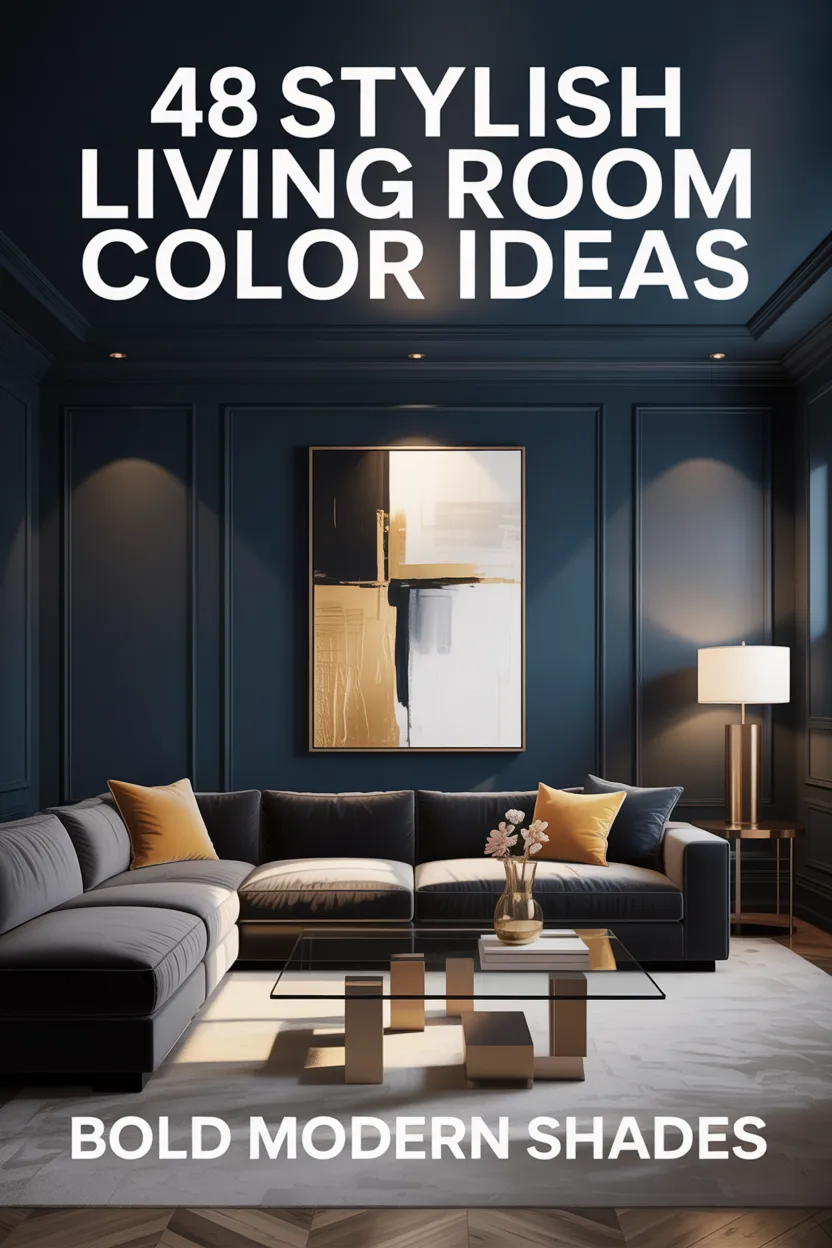
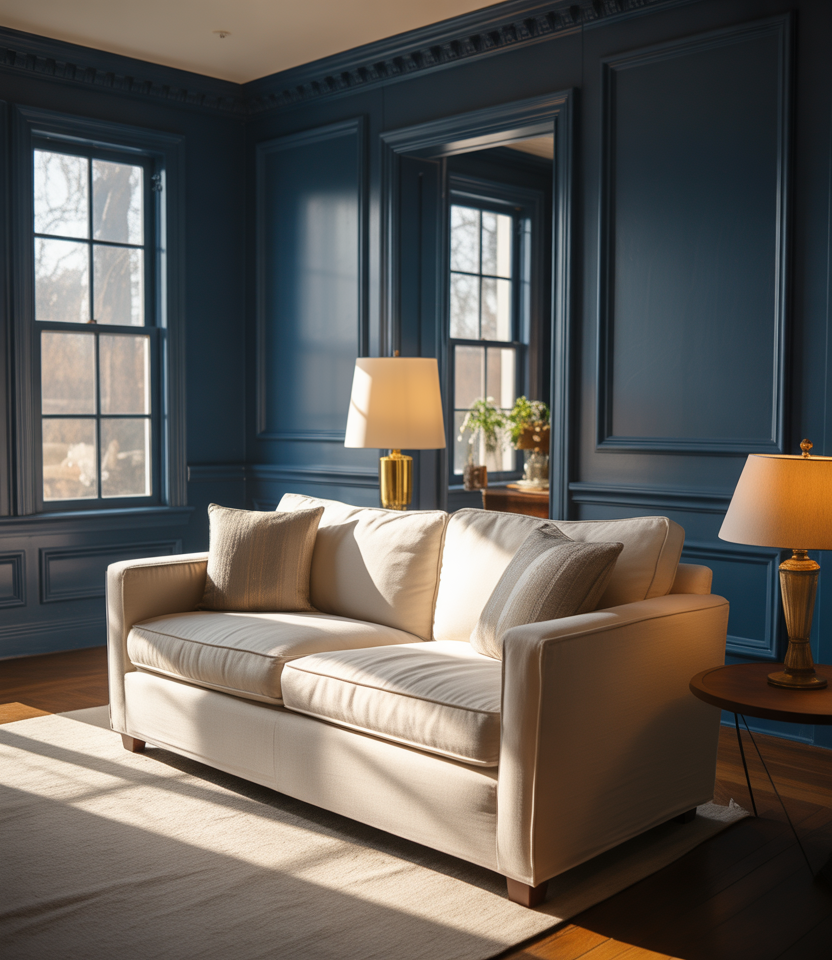 Deeper blues in living rooms and their architectural details are a confident combination. A living room wrapped in Dark Moody Hague Blue feels intentional rather than heavy. Think paneled walls, substantial molding, and tailored furniture silhouettes. This approach suits homeowners who want blue to feel grown-up and grounding, not coastal or casual. The richness adds visual weight that makes even open-plan rooms feel anchored and composed.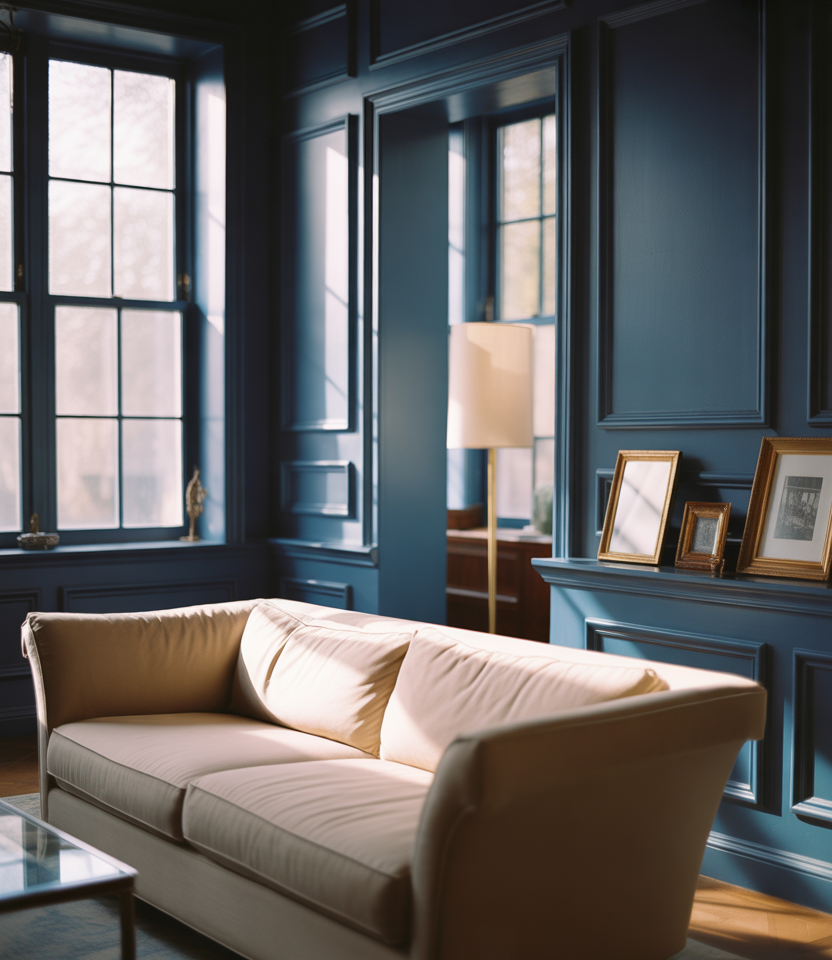
Designers note that the key is contrast, not darkness alone. When working with saturated blue, they often recommend lighter ceilings, reflective finishes, or warm metals to prevent the space from feeling flat. The most successful rooms balance drama with breathing room, letting the color act as a backdrop rather than the entire story.
2 Airy Blue Living Rooms With Soft Light
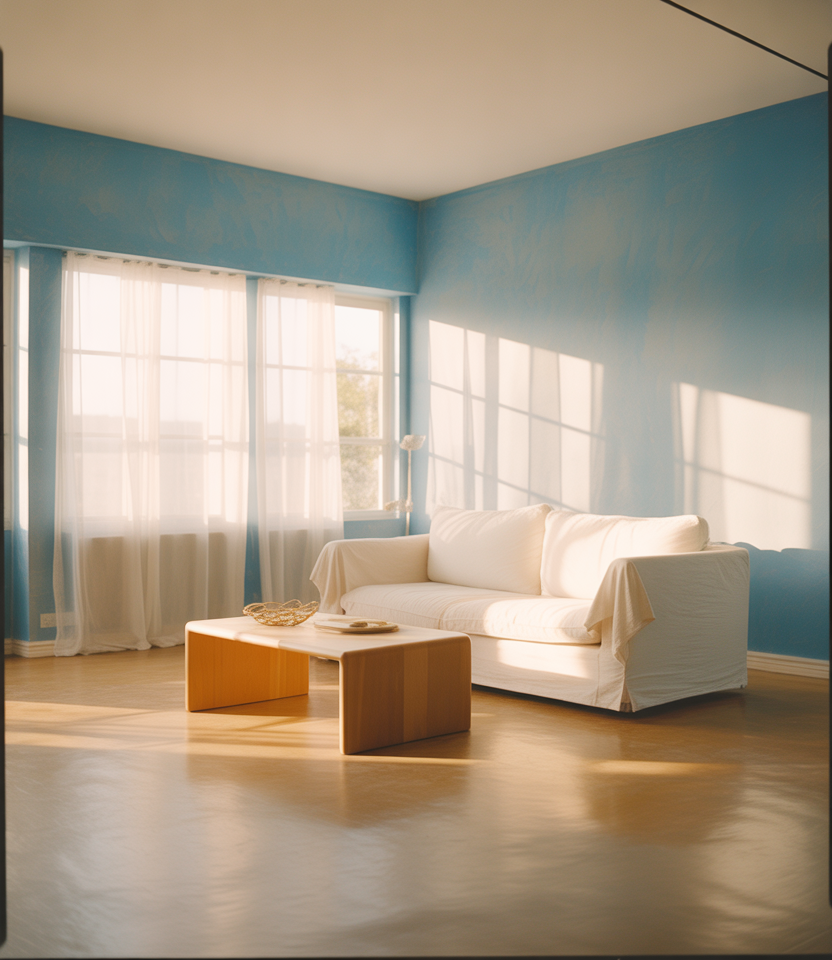 Lighter blues are trending toward an almost weightless look, perfect for homes craving calm. A light palette mixed with sky tones and white and warm neutrals creates a living room that feels open, optimistic, and easy to live with. This style often shows up in Pinterest saves from apartments and newer builds where natural light is abundant. The goal isn’t color impact, but emotional ease.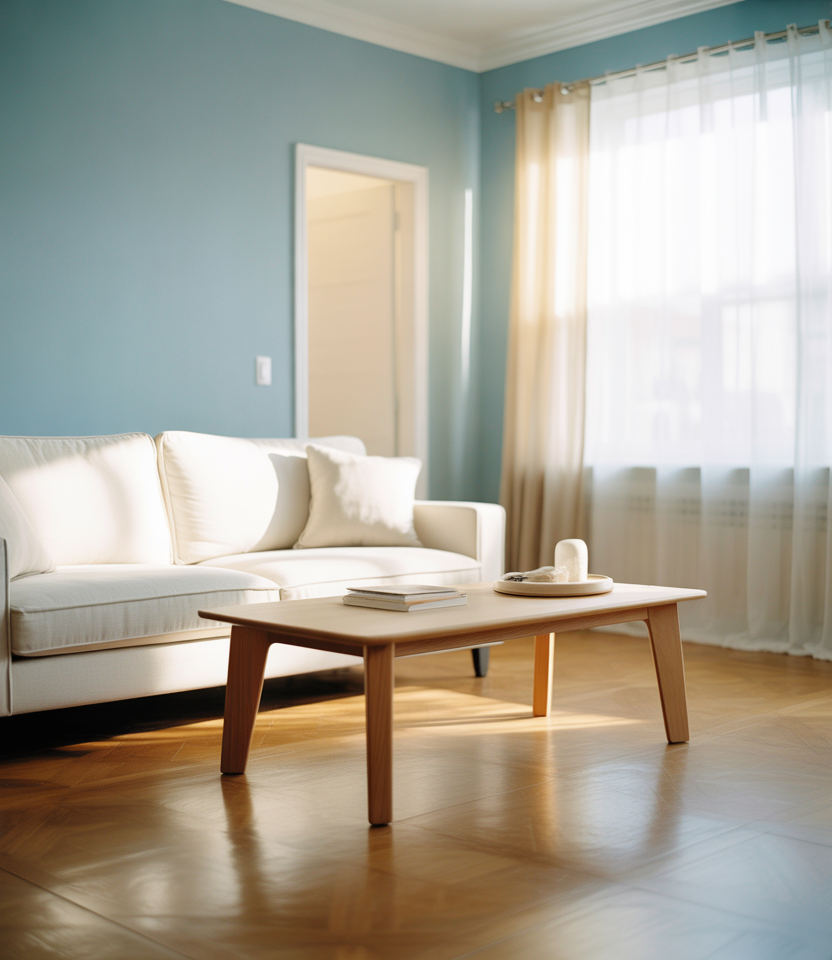
This look works best in rooms with large windows or southern exposure, where daylight enhances the softness of the color. In darker rooms, the same palette can feel washed out, so designers often suggest warmer whites or subtle texture to keep the space from feeling flat.
3 Balanced Blue-Neutral Color Stories
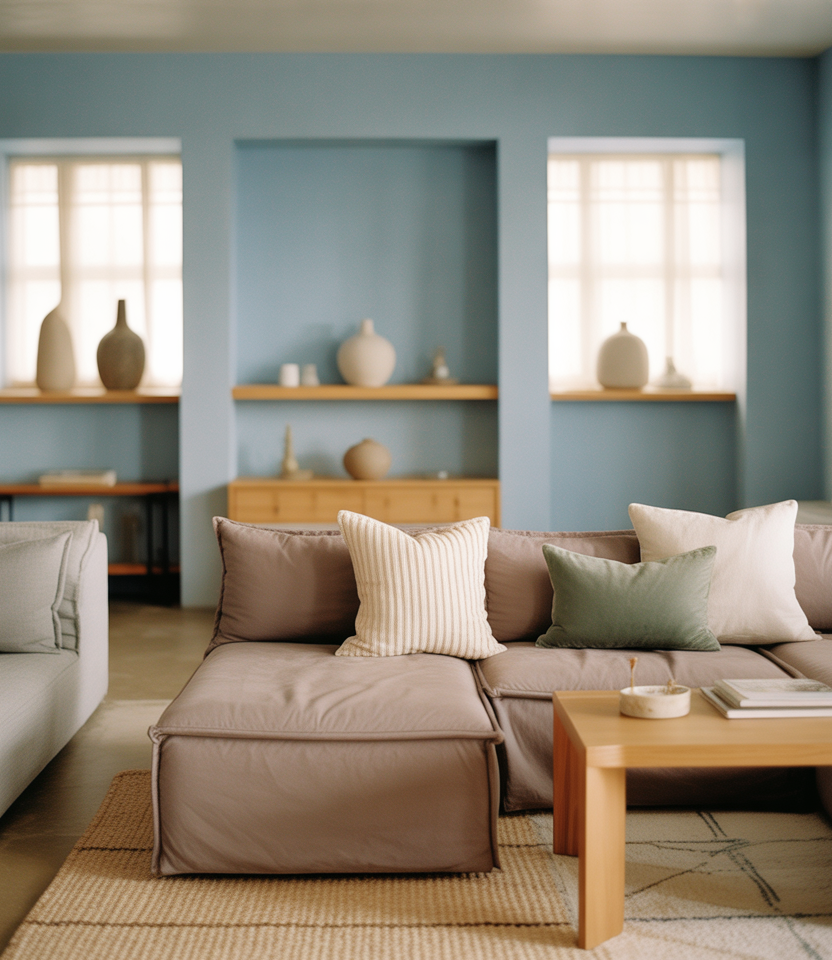 Instead of going for a single, dominating color, numerous 2026 interiors highlight a balanced color scheme that blends blue with neutral and grounded accents. Adding touches of taupe and stone tones keeps the living room versatile and timeless. This approach appeals to homeowners who want blue without locking themselves into a single mood. It’s subtle, layered, and easy to evolve over time.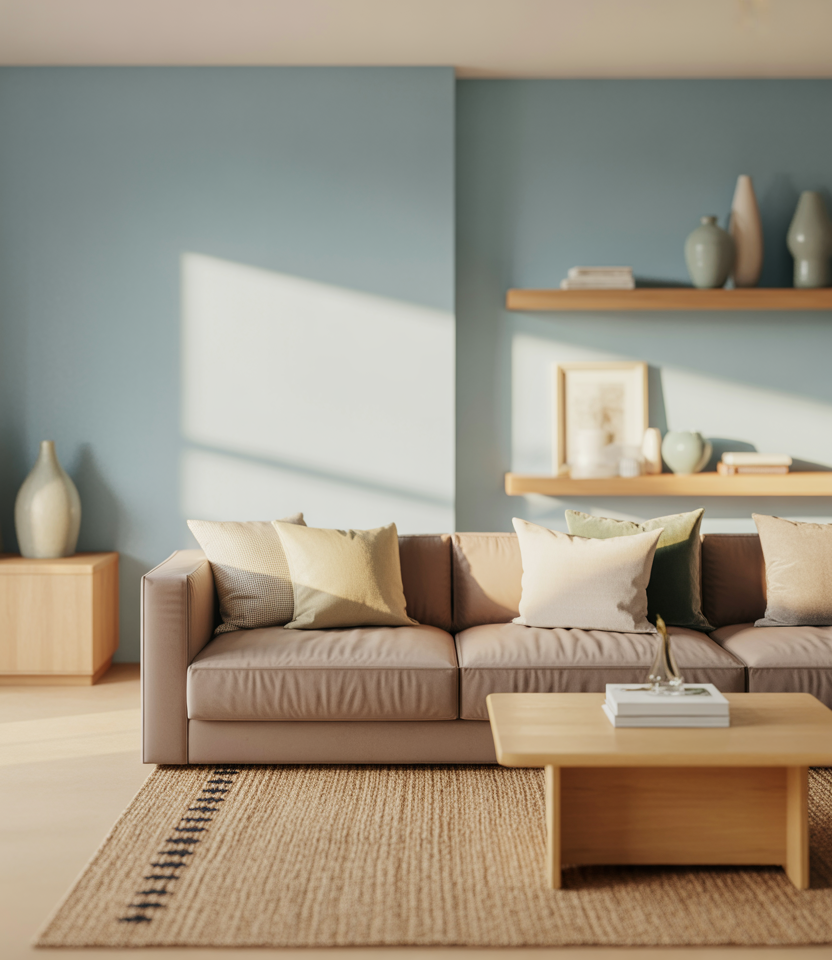
A practical trick designers use here is limiting blue to one or two surfaces, then repeating it subtly through textiles or art. This keeps the room cohesive without feeling themed, making it easier to swap accessories seasonally without reworking the entire space.
4 Cozy Blue With Warm Brown Layers
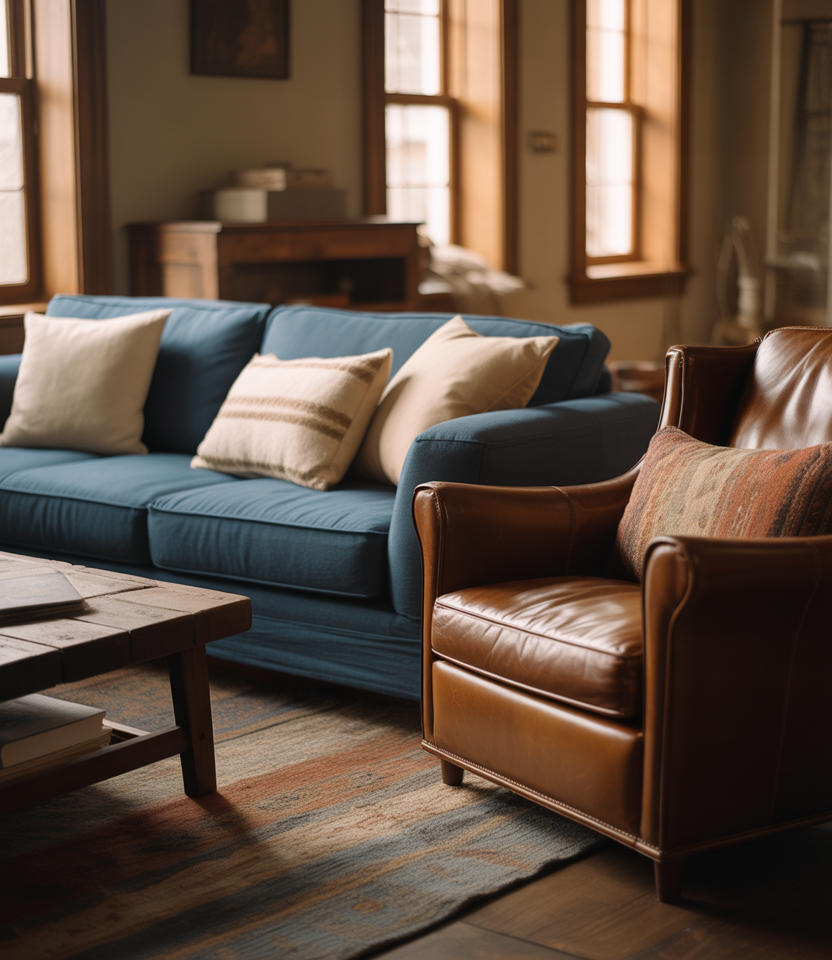 Blue doesn’t have to feel cool. In fact, pairing it with brown and warm materials creates a deeply cozy living room that feels inviting year-round. Leather chairs, walnut tables, and woven textures soften blue walls or sofas, giving the space a relaxed, fireside quality. This style resonates with homeowners seeking comfort over trends, especially in family-centered homes.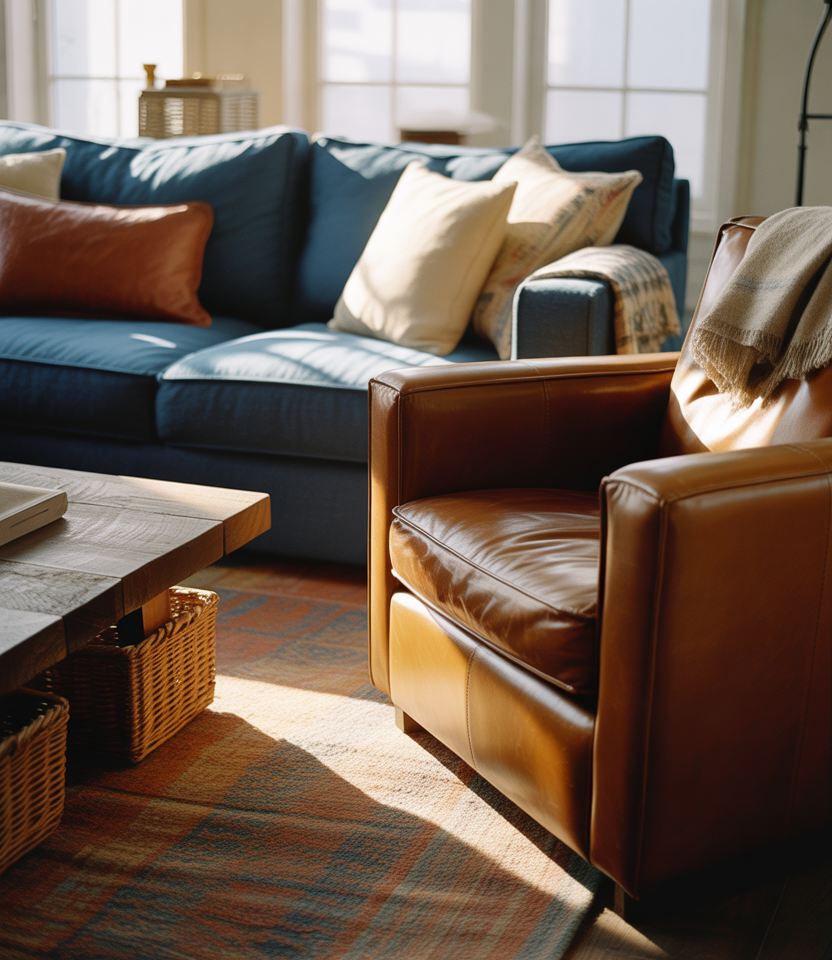
I recently noticed this setup in a friend’s Midwest home, where the blue sofa became the gathering spot during long winter evenings. The warmth from wood and leather made the color feel familiar rather than bold, proving blue can be just as comforting as beige.
5 Soft Blue-Green European Influence
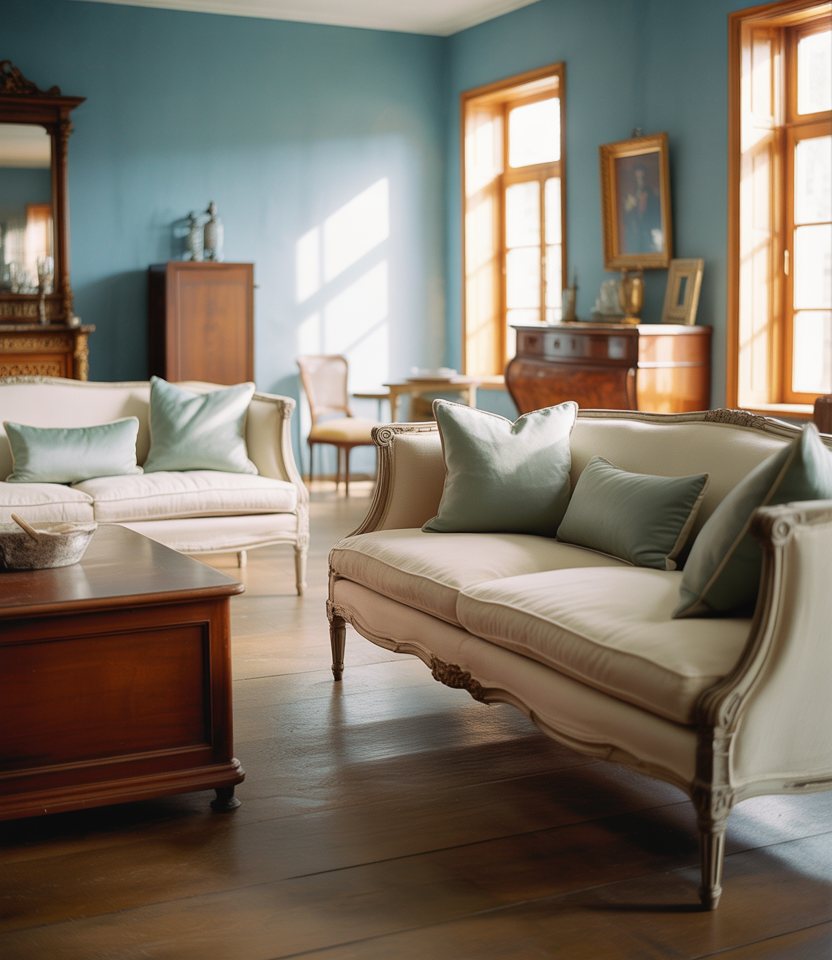 A soft blend of green and blue shades like duck egg lends an effortless sophistication to American living rooms, often with French interiors. These hues feel historic yet fresh, offering a subtle alternative to stark modern palettes. They work beautifully with vintage accents, curved furniture, and softer silhouettes that emphasize charm over precision.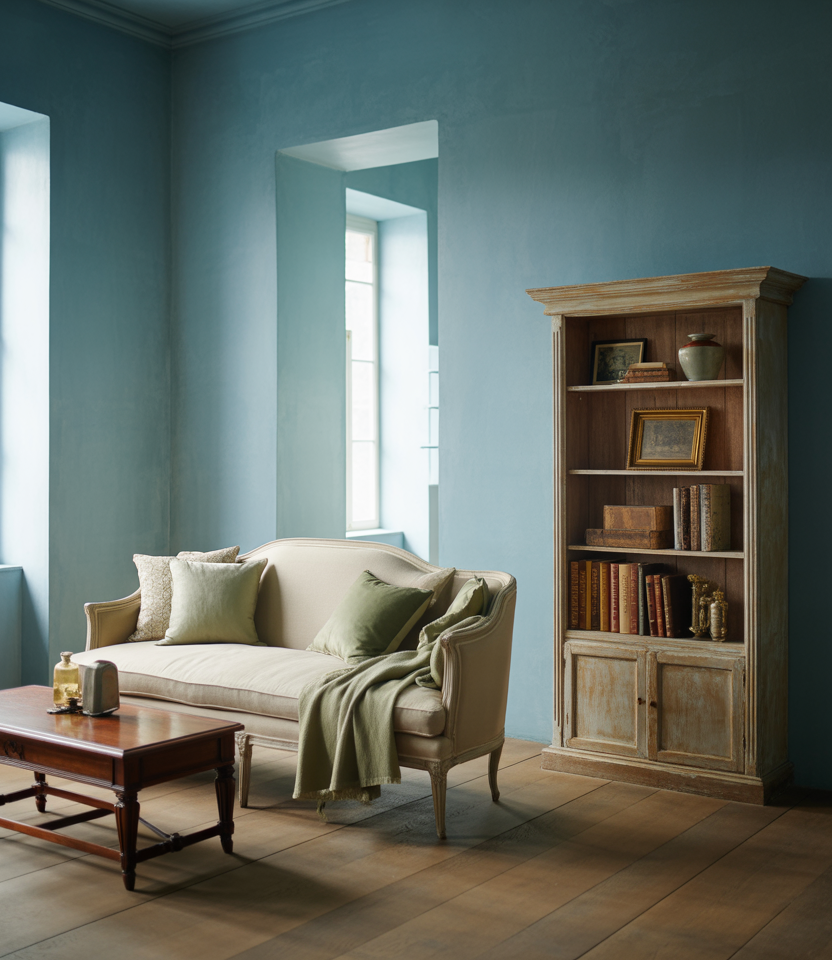
This style fits naturally into older homes or renovated spaces where character already exists. In newer builds, designers often add plaster finishes or aged materials to avoid the look feeling too polished or staged.
6. Muted Blue With Grey Undertones
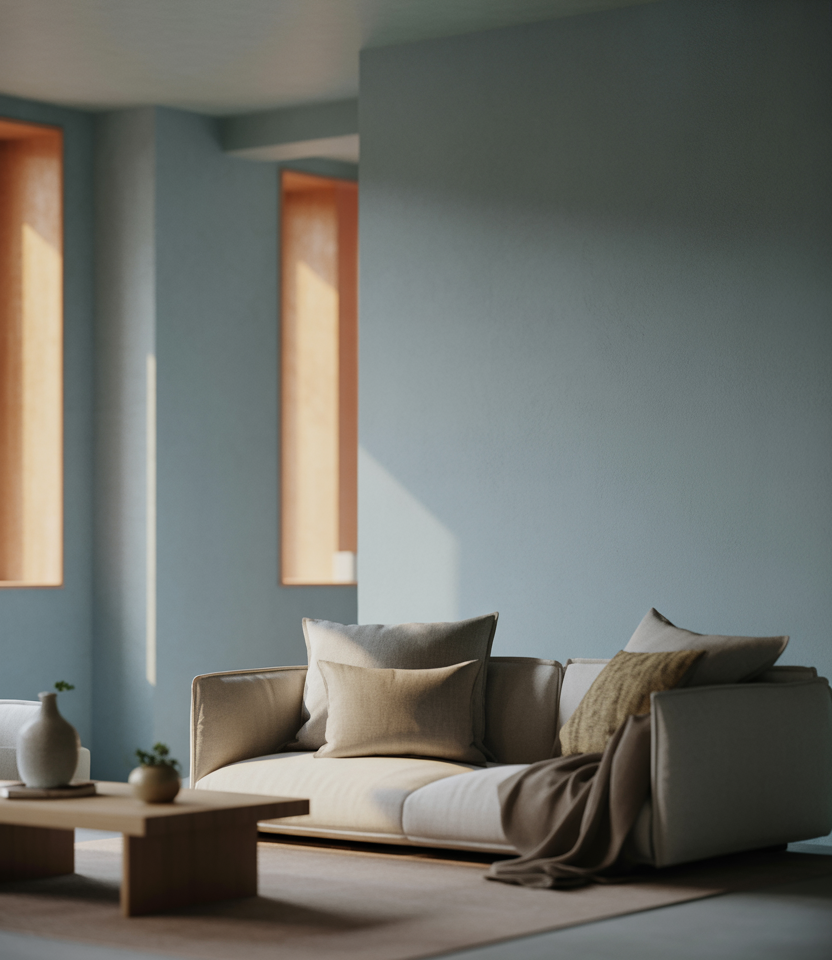 For those drawn to restraint, blue paired with grey and subtle, dusty tones offers a sophisticated middle ground. A pale blue-grey living room feels calm and intentional, ideal for minimalist or transitional interiors. It’s less about color drama and more about atmosphere, letting furniture and texture quietly take the lead.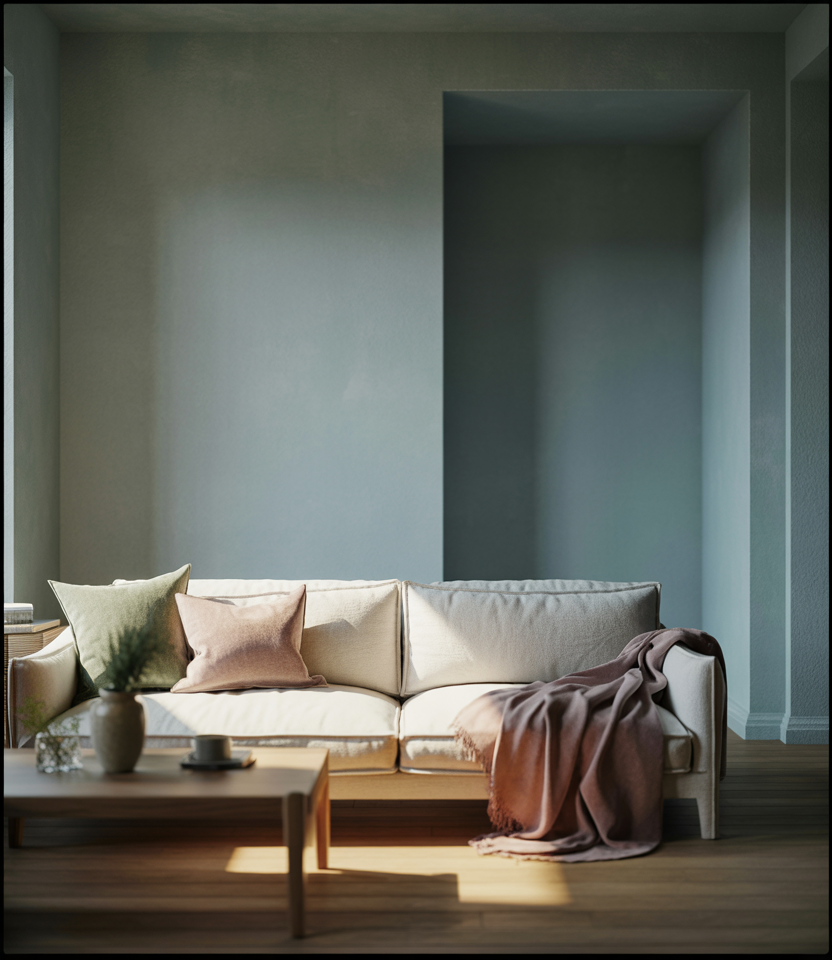
A common mistake here is going too cool with finishes. Without warmth from wood, fabric, or lighting, these rooms can feel sterile. Adding one warm material prevents the space from tipping into showroom territory.
7 Blue With Warm Citrus Energy
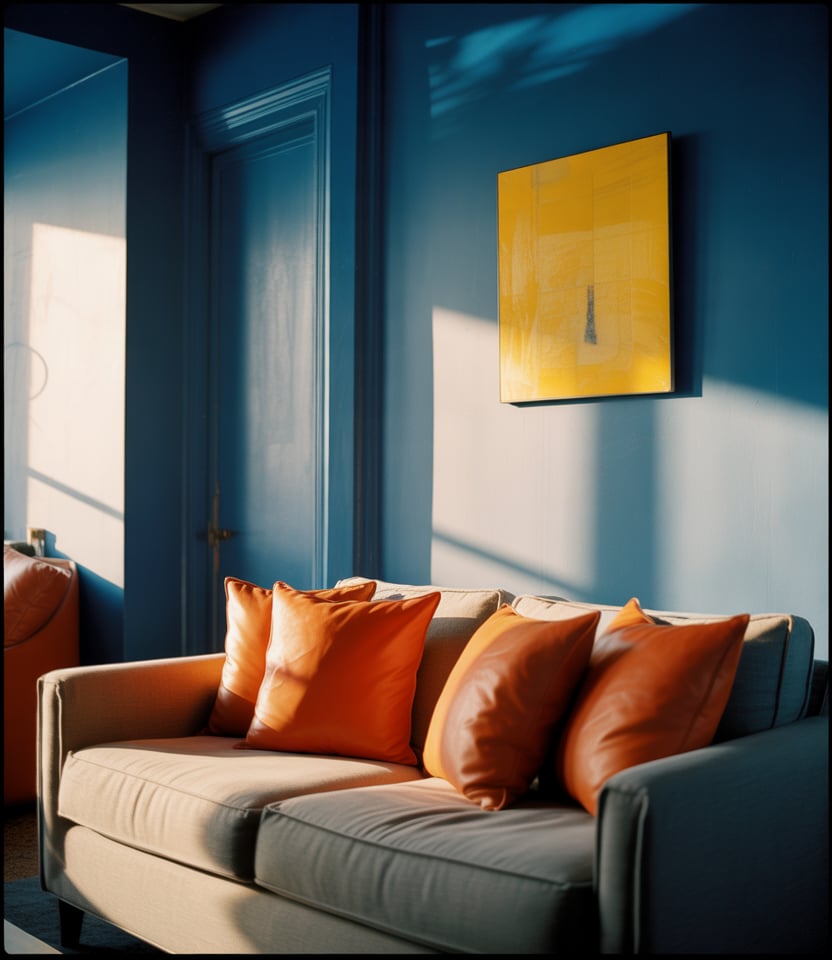 More playful homes are embracing contrast by pairing blue with unexpected warmth. Combining orange and accents or yellow and details energizes a living room without overpowering it. This approach feels youthful and expressive, often seen in creative households that treat color as part of their personality rather than a backdrop.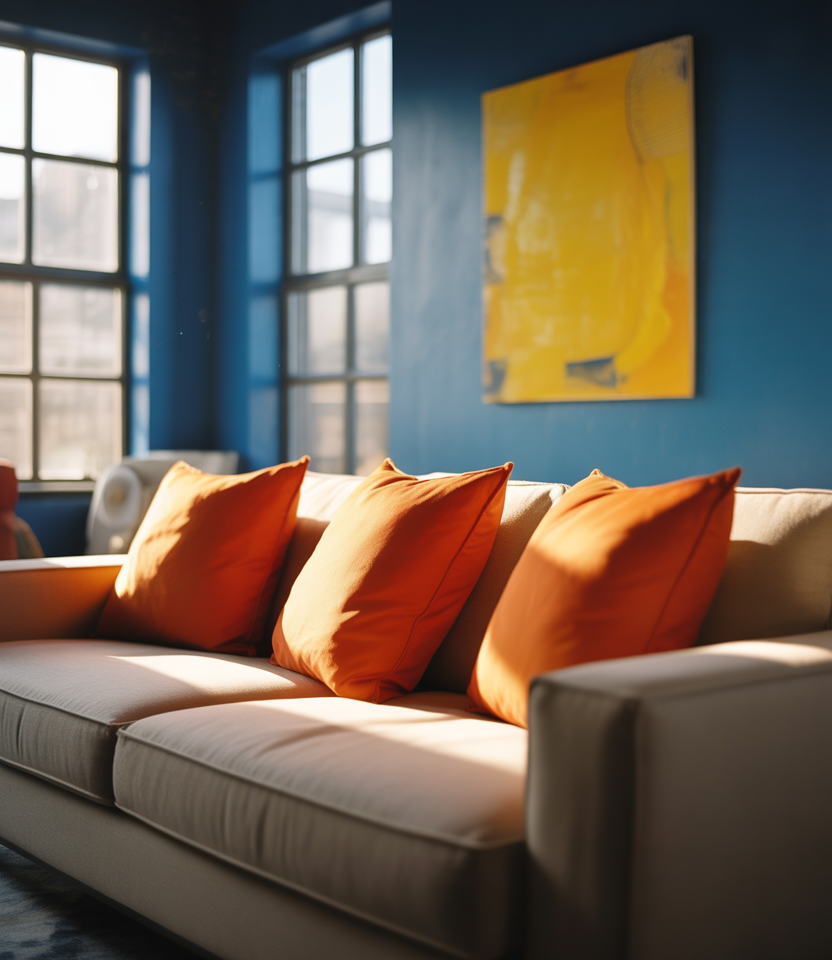
The budget-friendly way to try this look is through accessories. Swapping pillows, throws, or art allows homeowners to experiment with bolder color pairings without committing to paint or large furniture purchases.
8 Romantic Blue With Blush and Red Notes
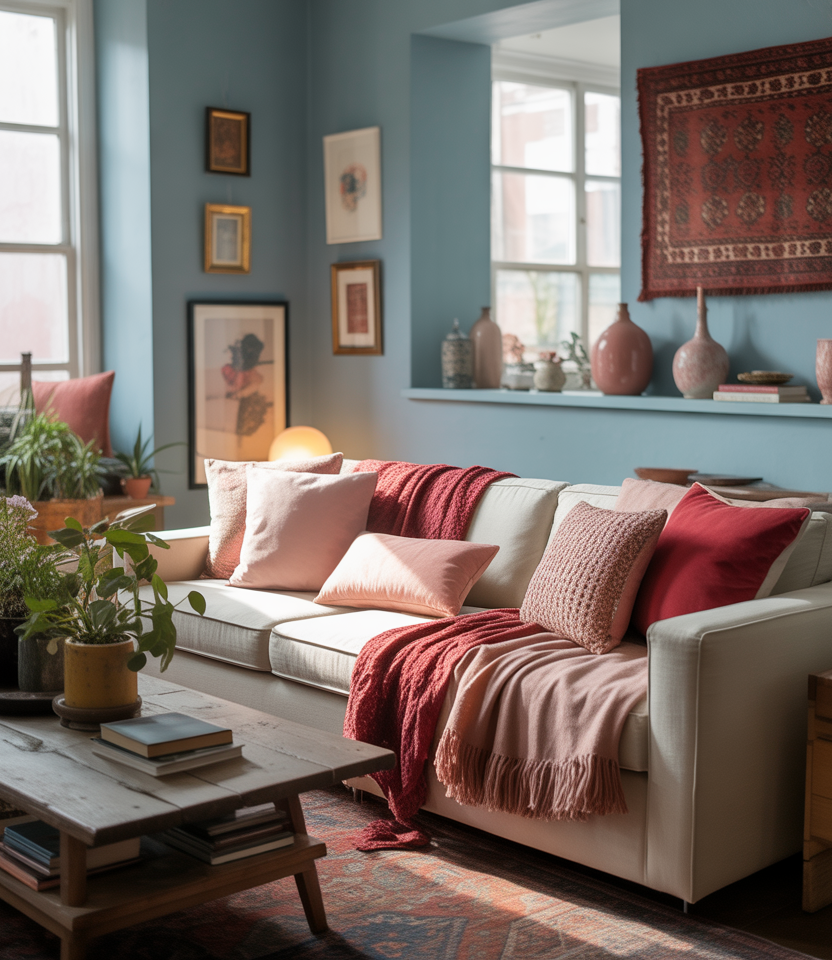 Softer blue living rooms are increasingly layered with warmth through pink and blush tones or even subtle red accents. This combination creates a romantic, slightly eclectic feel that’s personal rather than polished. It appeals to homeowners who collect art and textiles over time instead of designing all at once.
In real homes, this look often evolves organically. People add pieces they love rather than following a strict plan, which is why these rooms feel authentic and emotionally rich instead of styled for resale.
9 Bold Jewel-Toned Blue Statements
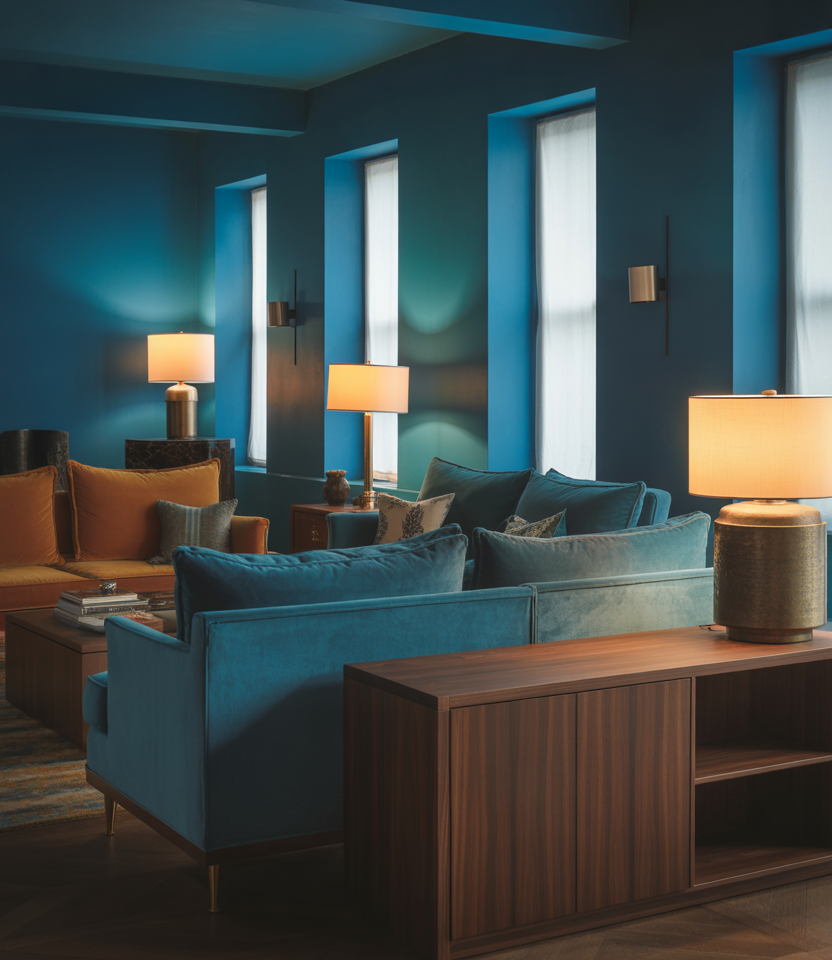 For homeowners ready to make a statement, saturated blues like Peacock or deep Inchyra bring confidence and depth. These shades feel luxurious and dramatic, especially when paired with tailored furniture and intentional lighting. They’re not subtle, but when done right, they transform the living room into a true focal point.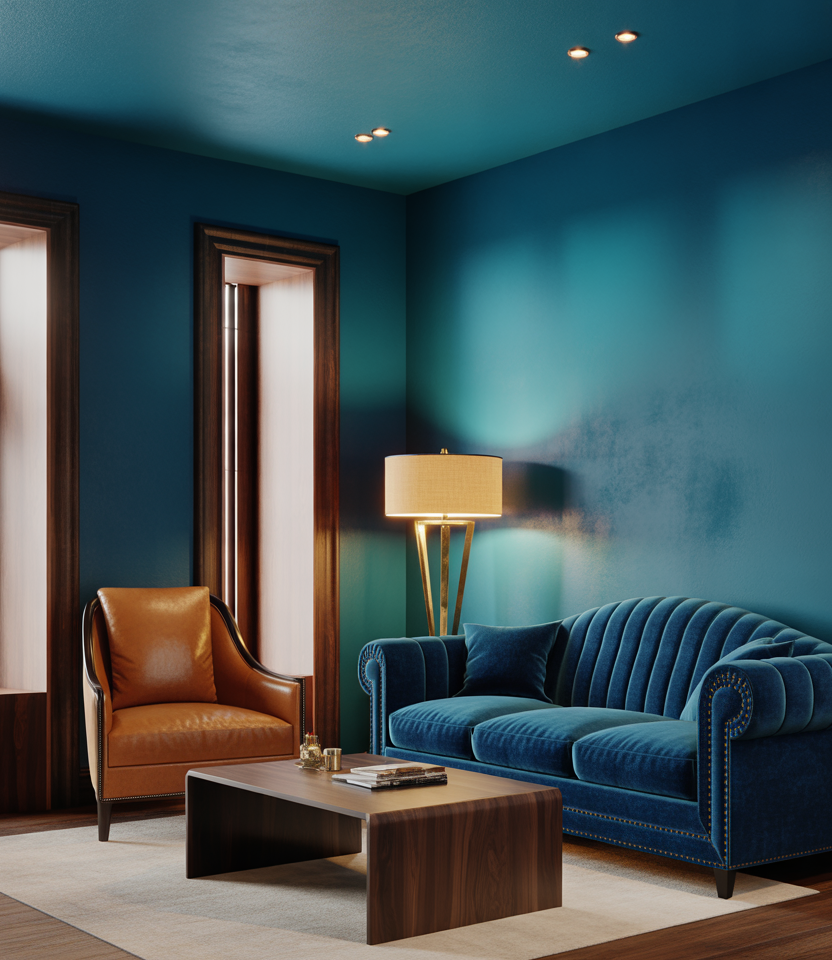
A practical approach is to test these colors in rooms with predictable lighting. Jewel tones shift dramatically from day to night, so understanding how light moves through the space helps avoid surprises after the paint dries.
10 Soft Blue Paired With Clean Whites
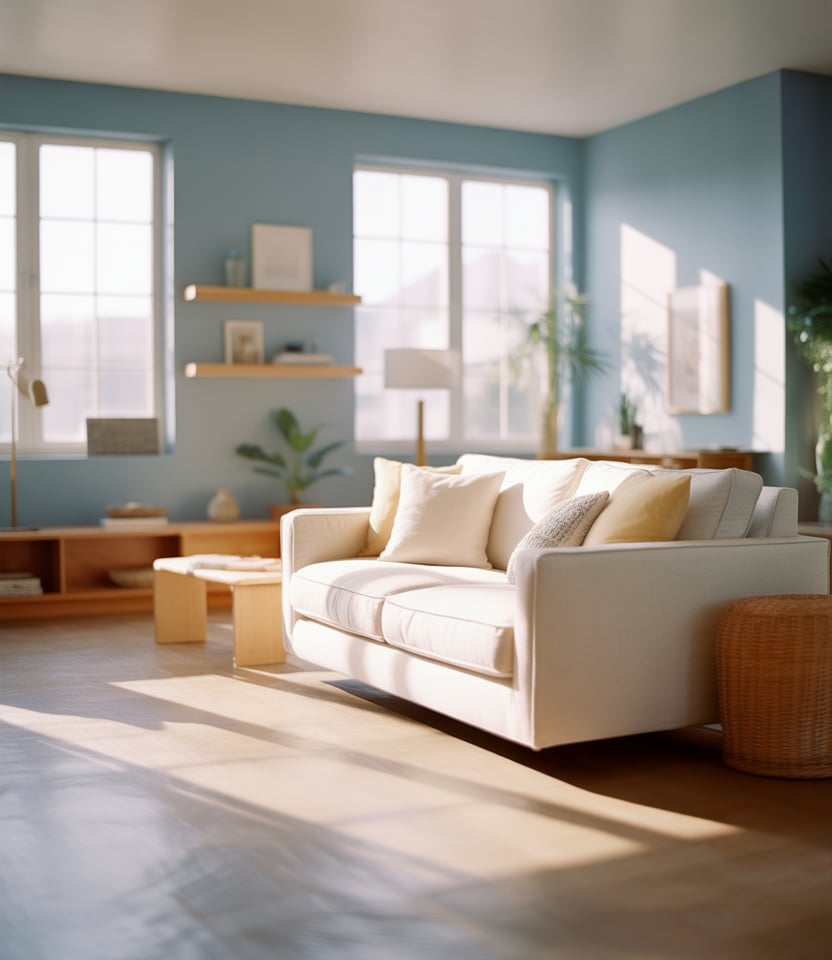 Wrapping up on a classic note, blue and white and crisp finishes remain a favorite for 2026. Regardless of the gown or modern or coastal touches, the look feels fresh, flexible, and timeless; certainly ideal for homeowners that wish for blue to be soft rather than strong. A living room tones down easily to changing styles.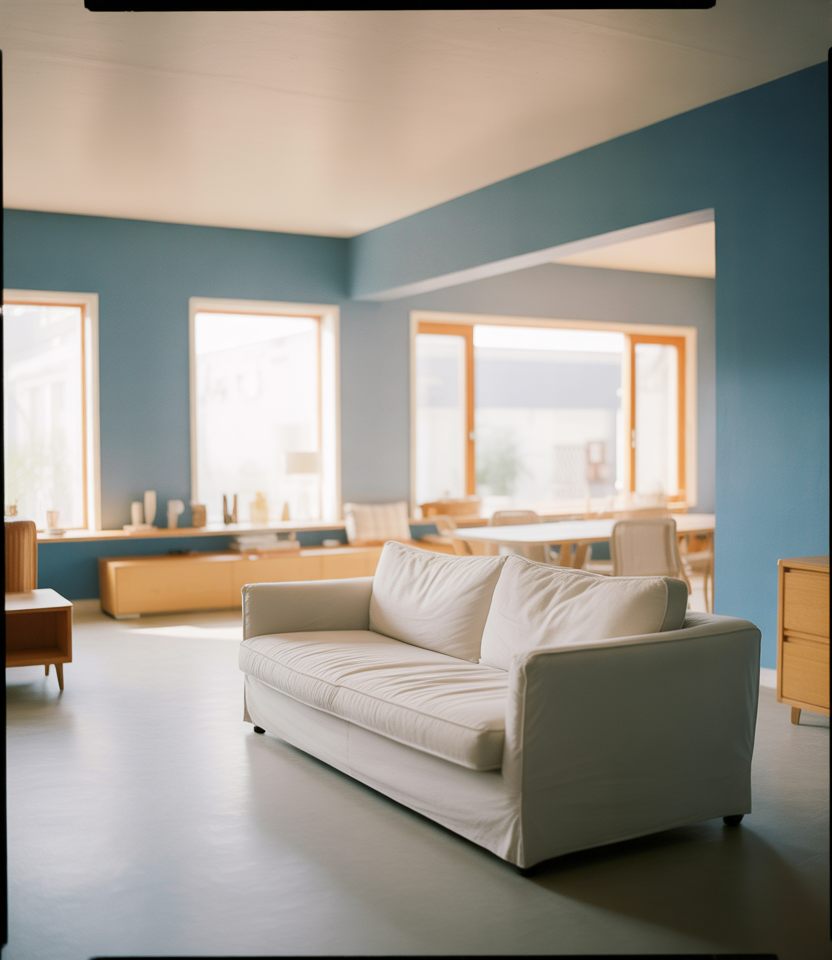
Design experts often cite this combination for resale-friendly homes. The look photographs beautifully, is universally appealing, and provides future homeowners a neutral but, oddly, centered and stylized feel.
11 Blue Living Room With Natural Texture Focus
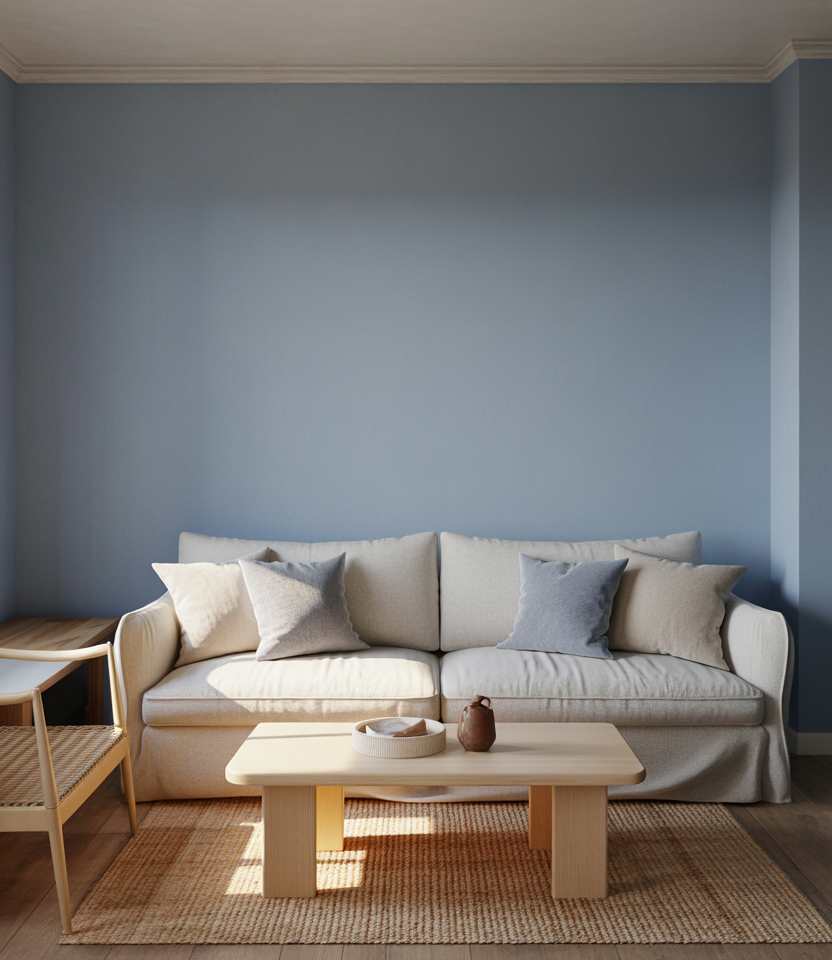 A soft touch is coming to blue living rooms in 2026, deeply layered in warmth and tactile materials. A palette anchored in the neutral and layered blues feels grounded when paired with linen upholstery, woven rugs, and raw wood. This approach suits homeowners who love color but want a relaxed, almost organic finish that doesn’t feel overly designed. Blue becomes part of the backdrop rather than the main attraction.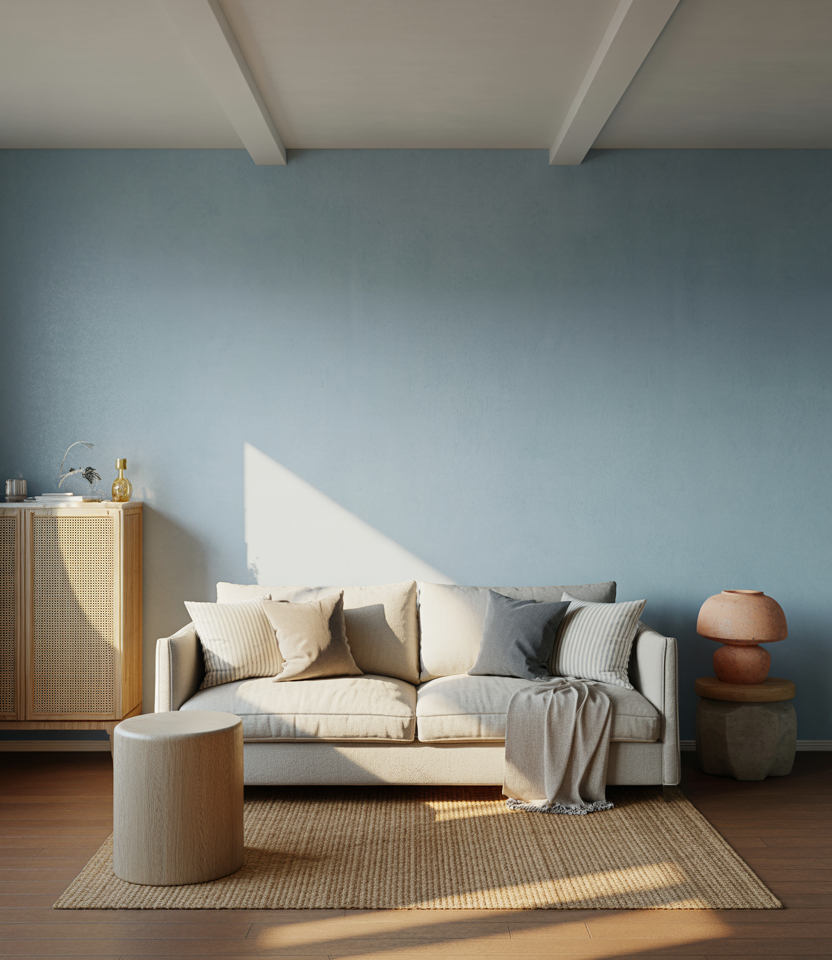
From a practical standpoint, texture helps blue age well. Even if wall color trends shift, natural materials keep the space feeling timeless, making this a smart choice for homeowners who don’t want to repaint every few years.
12 Blue and Green for a Relaxed Everyday Space
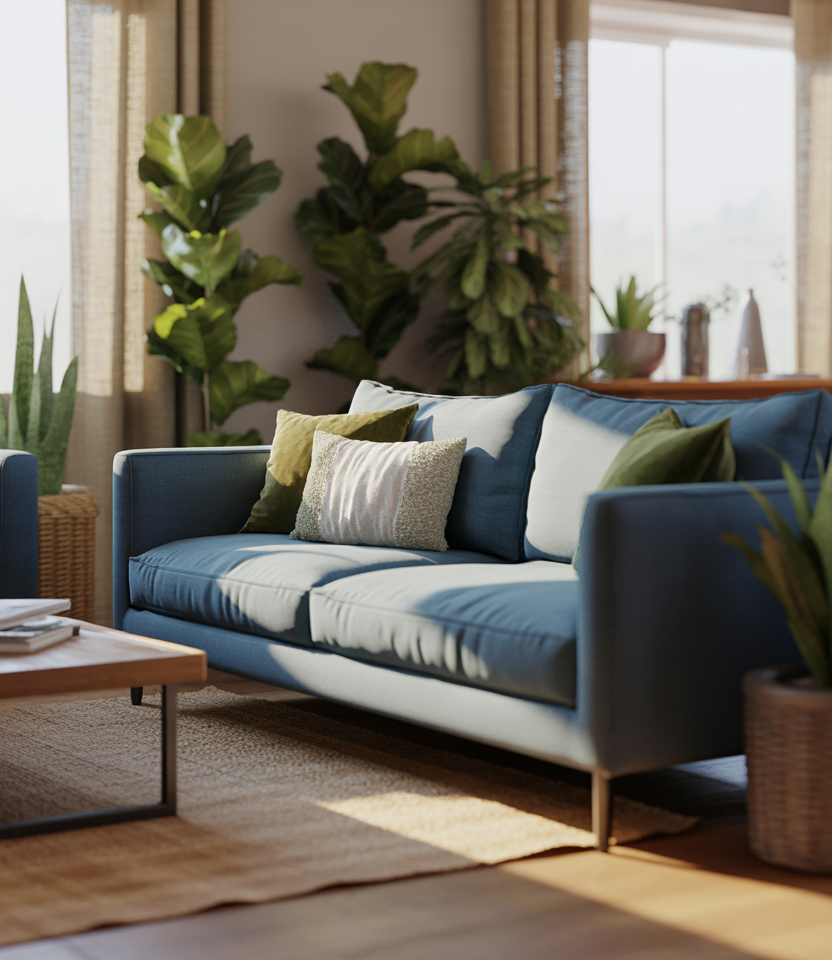 A thoughtful mix of green and blue tones is becoming a favorite for everyday living rooms in 2026. This combination feels intuitive and calming, just like the great outdoors, and it is a very intentional color choice. The natural blend of soft upholstery, muted artwork, and layered plants supports the invitation to rest and casual entertainment.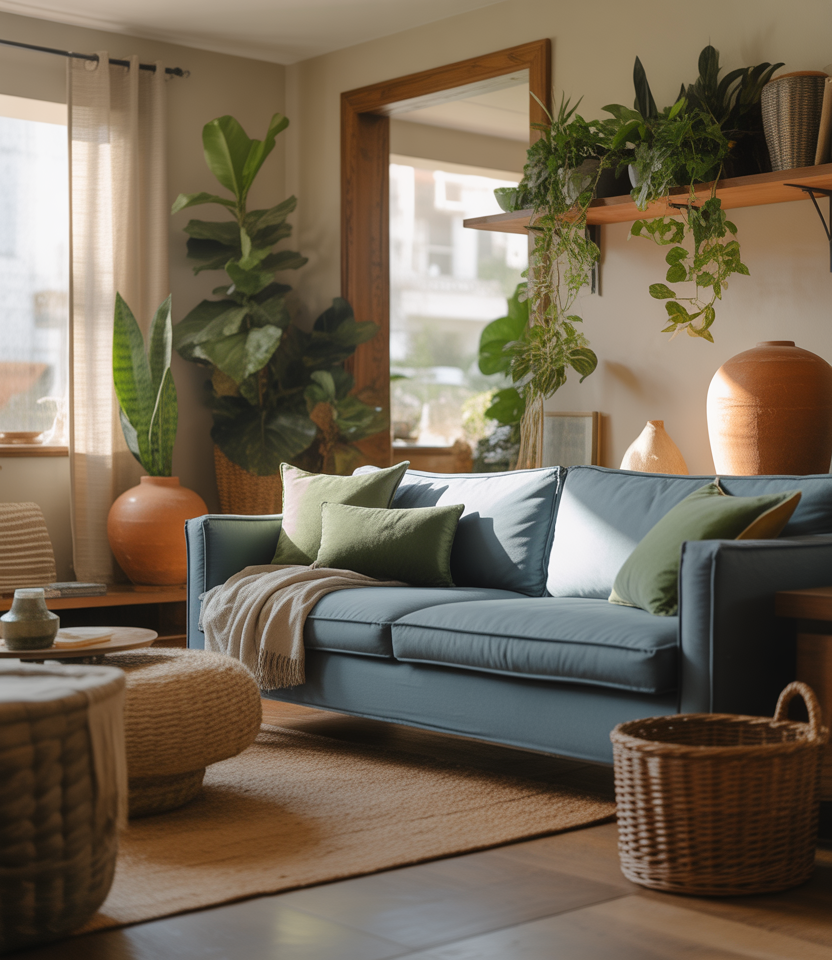
This arrangement works well in homes where the living room serves as a hangout spot. People are often drawn to these colors, as they feel forgiving, hiding wear and the mess of everyday life.
13 Dusty Blue With Vintage Influence
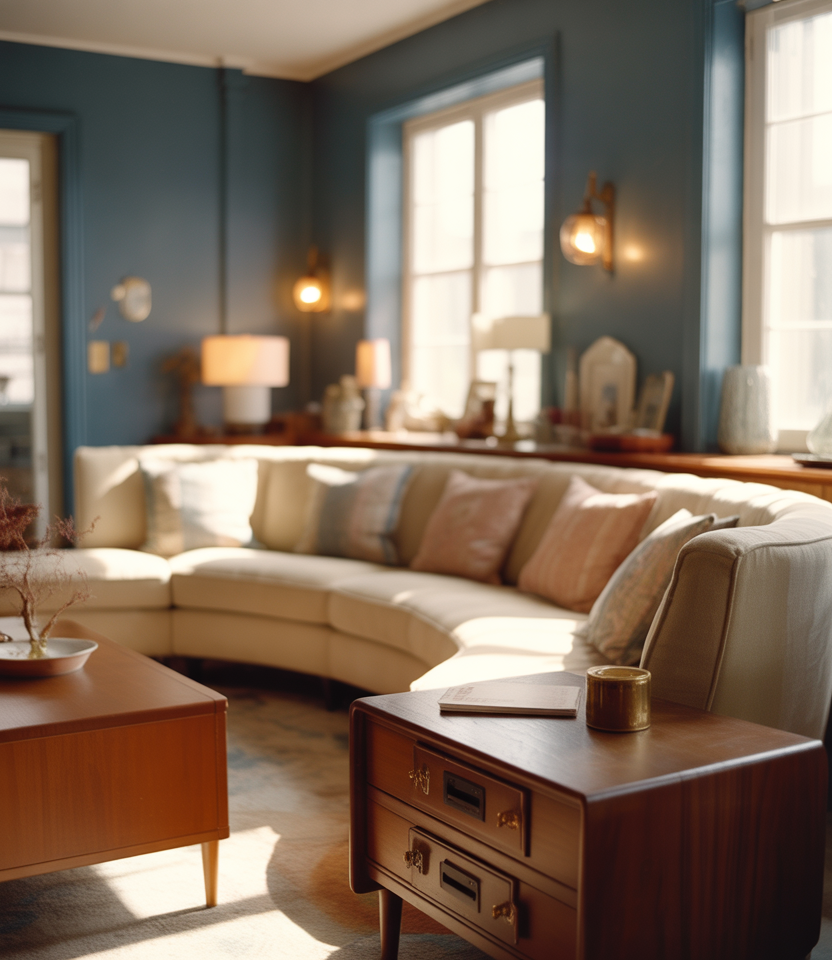 Muted, dusty blue shades are finding new life in vintage-inspired living rooms. This nostalgic look is new and doesn’t use the dated method of pairing vintage with dated finishes. The addition of brown and warm metals offers character and keeps the space grounded, avoiding the full retro look.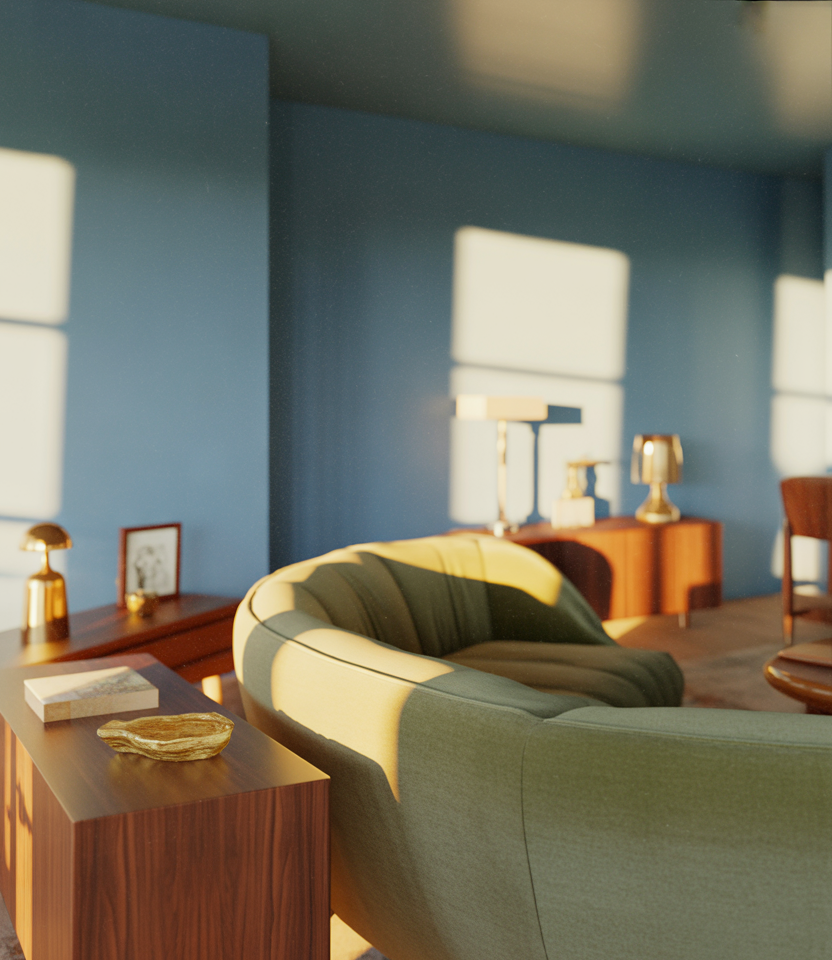
It is often said that dusty blue tones collaborate beautifully with finishes that embrace imperfections. Highly polished pieces can make a place feel off, while plenty of textures and a nice patina can make a finish feel purposeful.
14 Cozy Blue Living Rooms for Smaller Homes
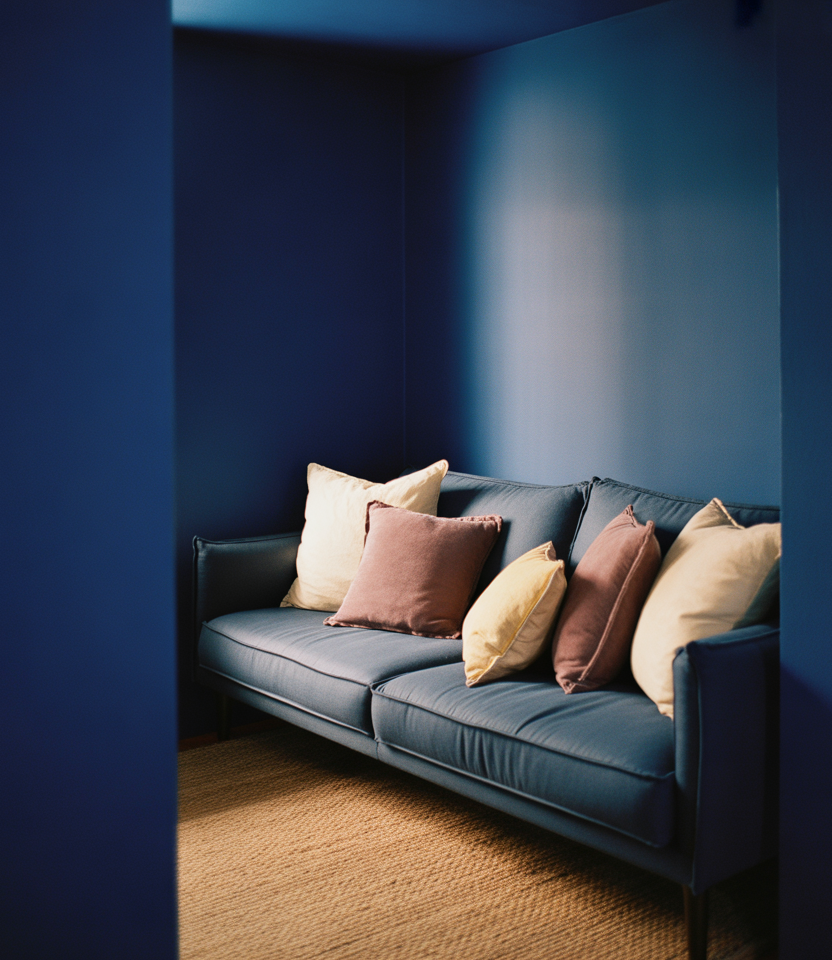 Blue has been used in smaller rooms to foster a sense of intimacy, not spaciousness, in these. A cozy living room designed with layered textiles is like a retreat, especially when combined with deeper blue walls and soft grey and neutral colors. It resonates with apartment tenants wanting warmth without visual complexity.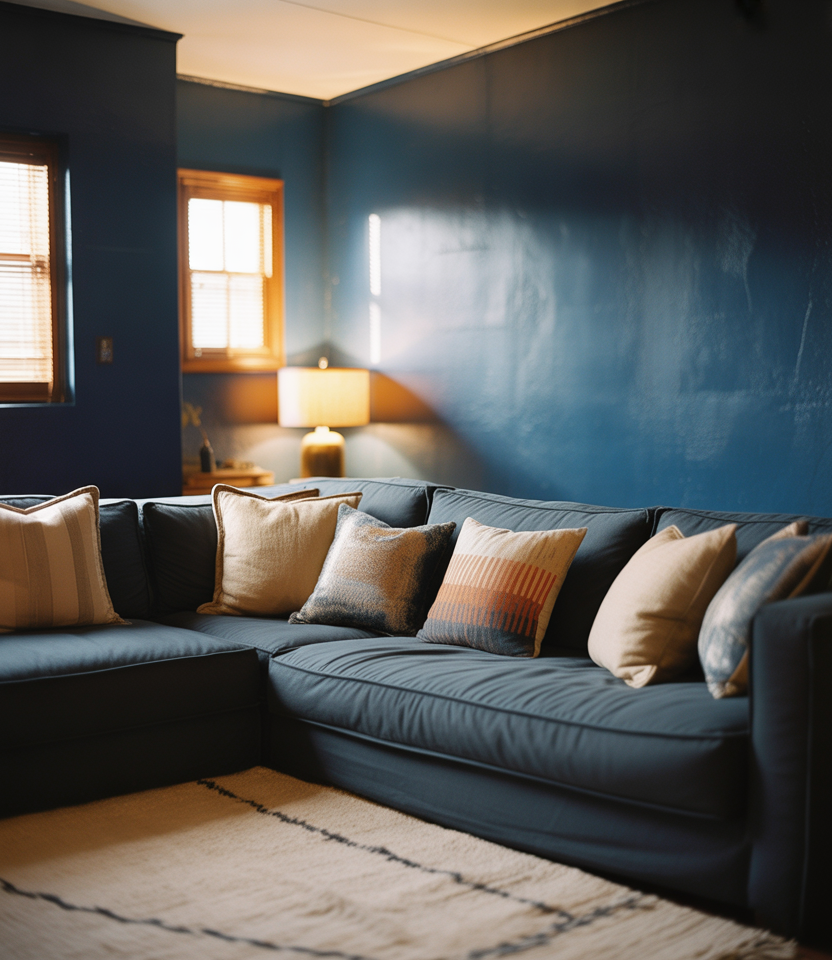
The top-to-bottom use of blue is only recommended when the room is sufficiently lit. In combination with multiple lighting sources, the deeper shades of blues can keep a sense of snugness without a feeling of being closed off.
15 Blue With Warm Yellow Highlights
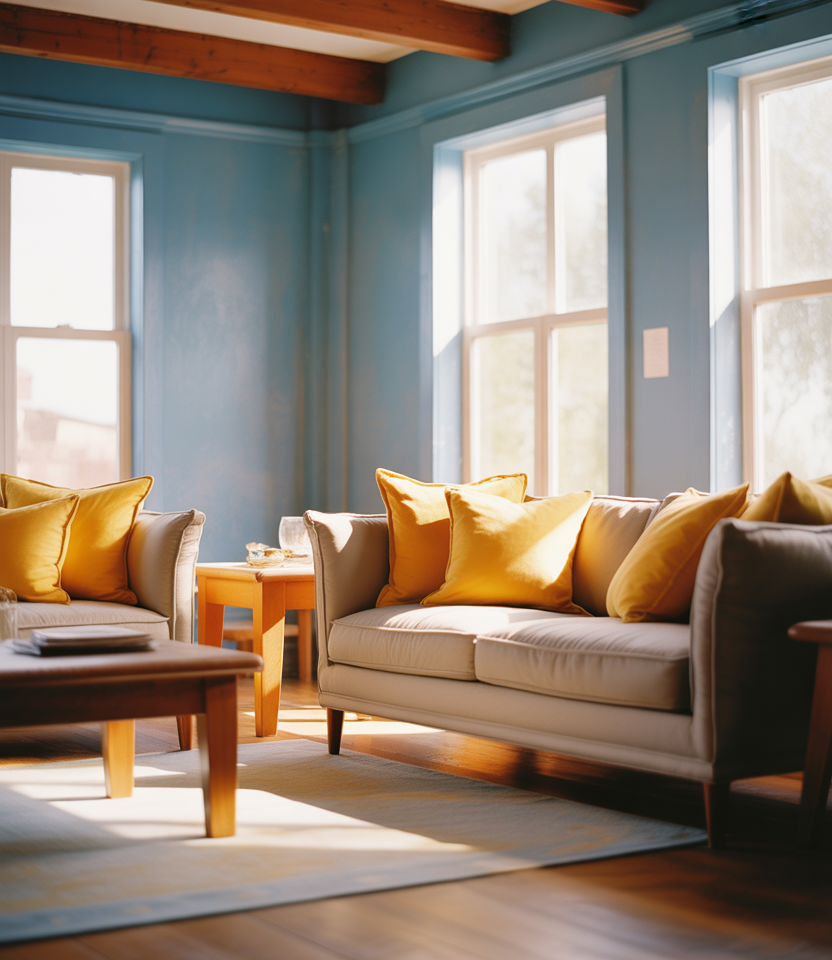 Infusing sunlight using shades of blue, in combination with yellow and warmth, is becoming a trendy interior concept. Optimism is instilled when golden accents are added to soft blue walls, completing living rooms that are void of a strong source of daylight. The cheeriness is definitely not childish, which is a fit for a taste of contemporary American homes.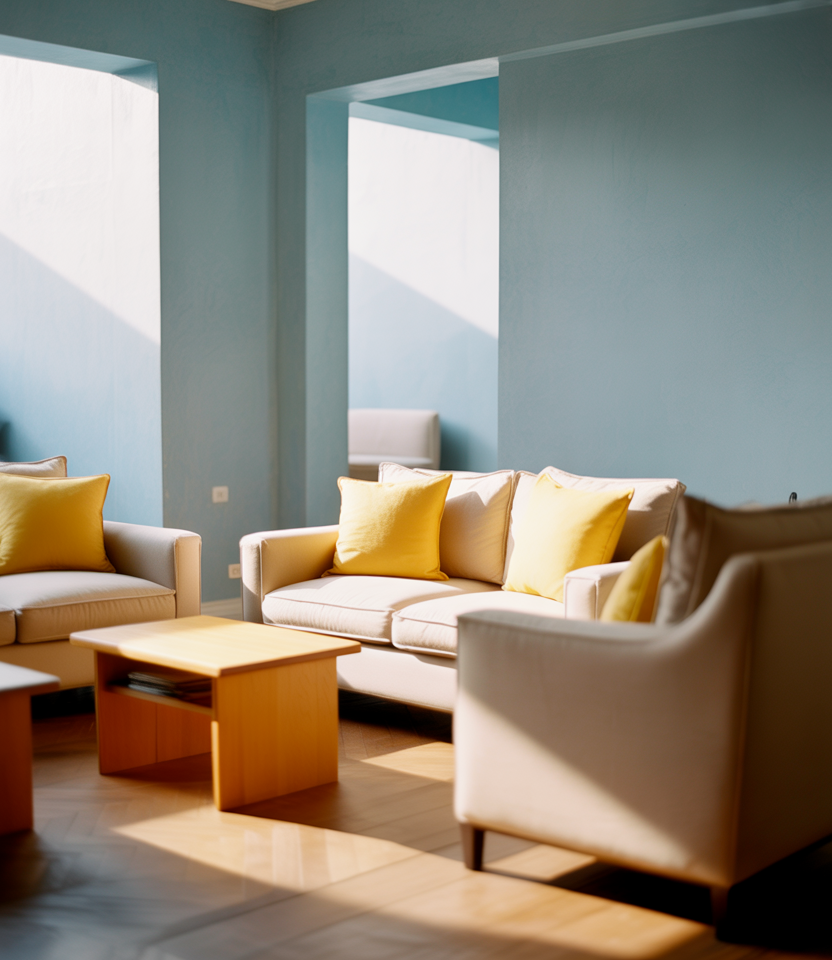
Homeowners often begin with little details such as these. If the yellow seems too much, scaling back to art or ceramics maintains the energy without overwhelming the space.
16 Refined Blue With Taupe Balance
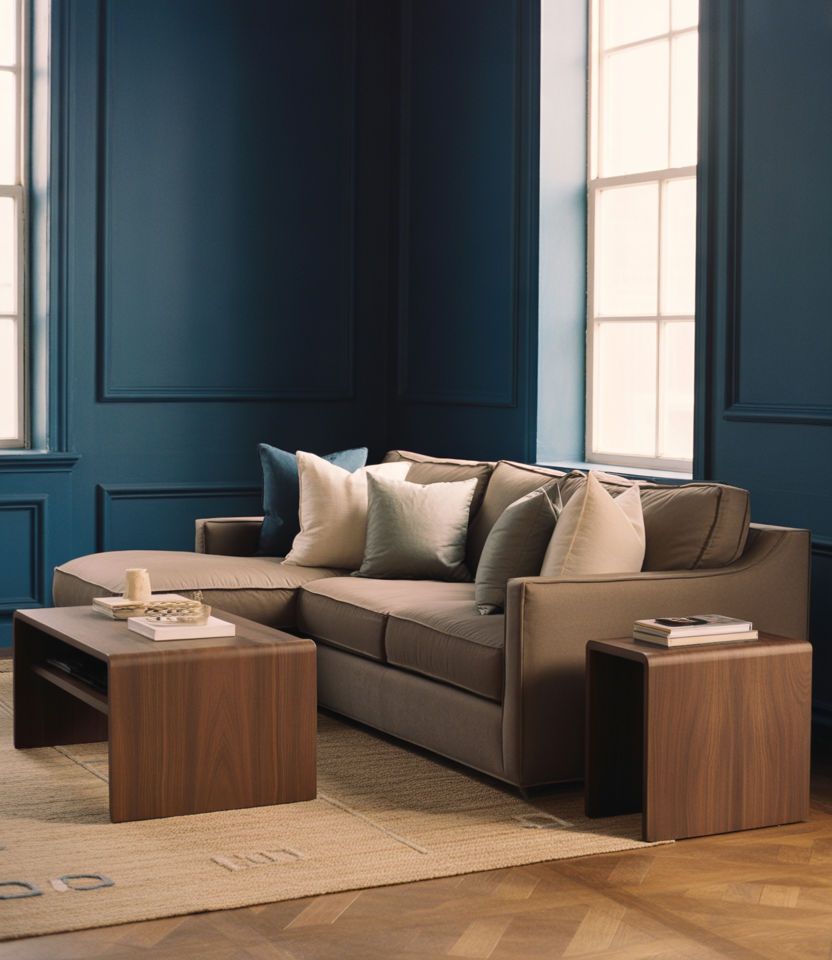 For those who want sophistication without heaviness, pairing blue with taupe and subtle neutrals creates a refined atmosphere. This combination softens blue’s cooler edge, making the living room feel composed and versatile. It is a popular choice for open-plan homes with a seamless flow between the living and dining or kitchen areas.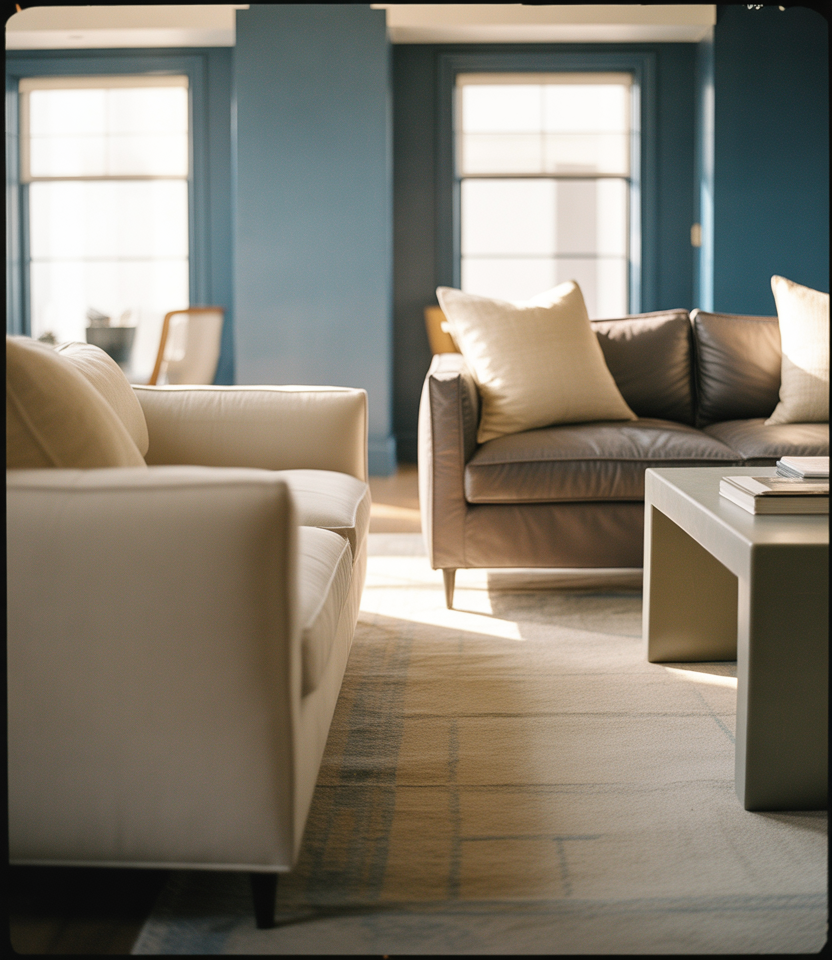
Flexibility is this palette’s advantage, especially for budget-conscious homeowners. Taupe furniture ages well, giving homeowners options to update the space later with blue accents rather than doing a complete overhaul.
17 Moody Blue With Statement Lighting
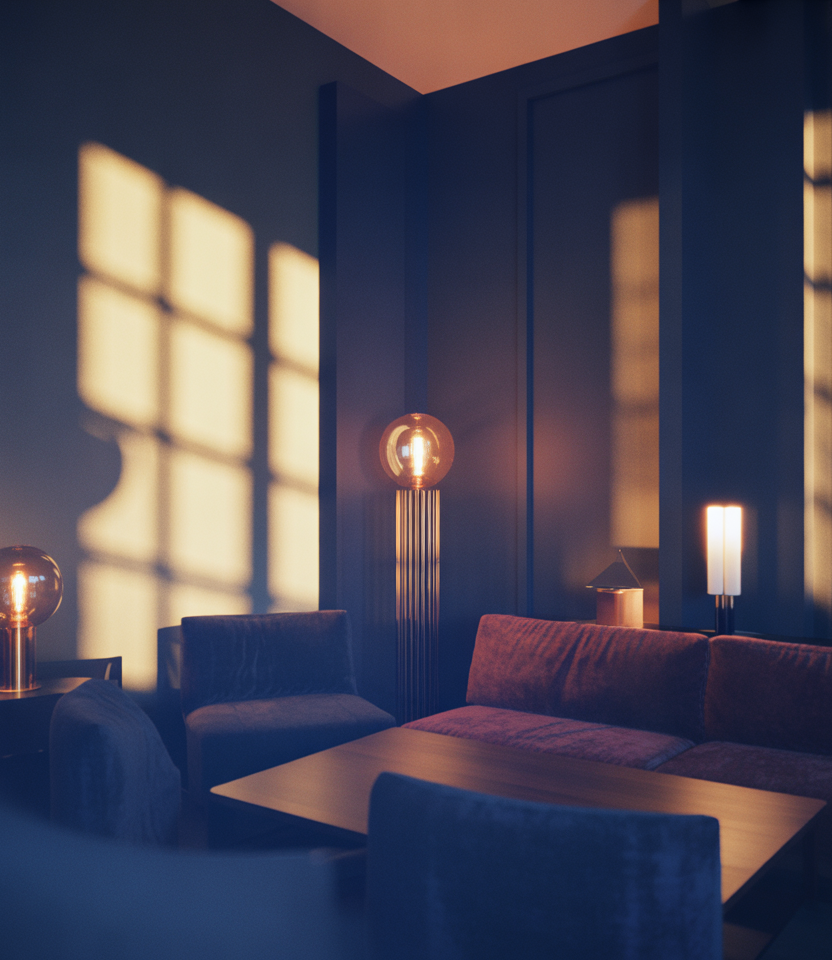 A moody blue living room becomes especially striking when paired with sculptural lighting. The darker blue walls absorb light during the day and come alive at night with layered lighting. This is a suitable approach for those who entertain a lot, as the space can change its atmosphere instantly.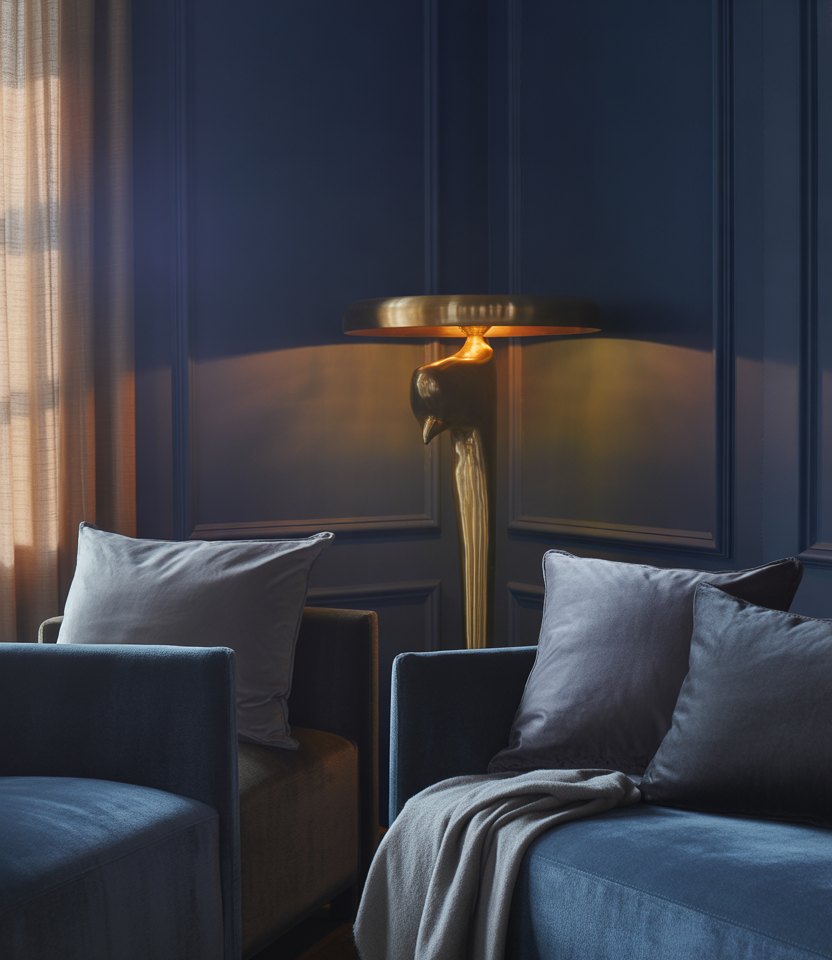
Designers suggest using more than one source of light to keep dark blue rooms dynamic rather than flat. A common mistake is simply using one overhead light.
18. Blue and White With Subtle Pattern Play
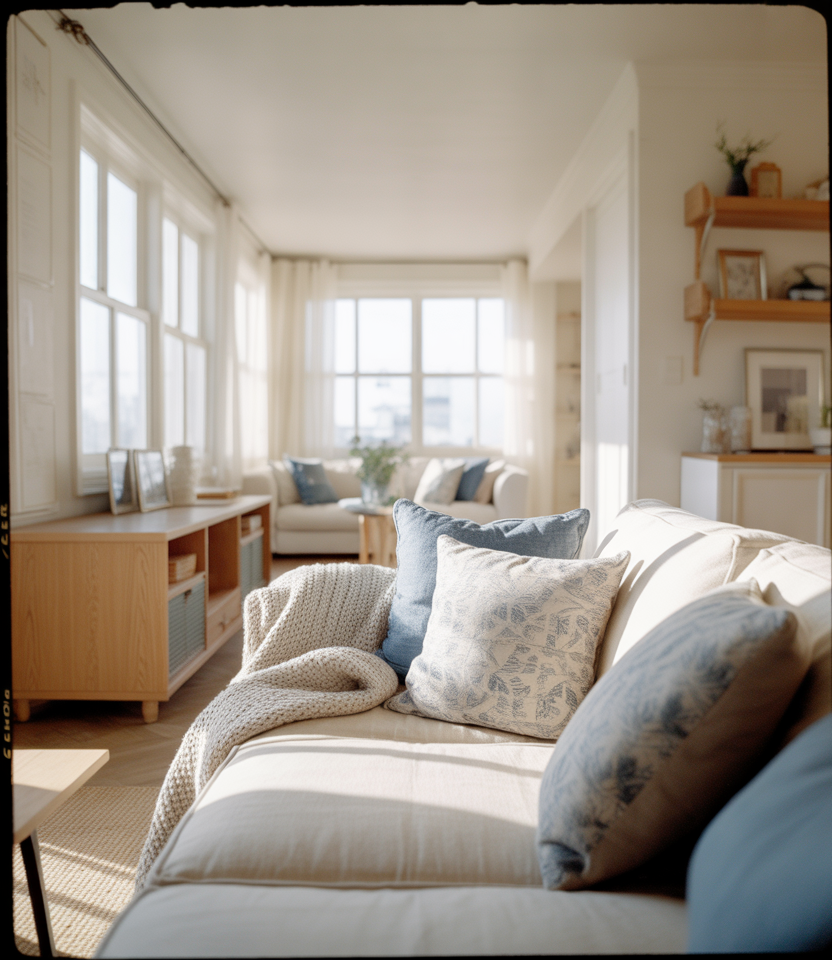 Classic White and blue living rooms are changing primarily through pattern rather than color. Designs using stripes, subtle geometric patterns, and various textured fabrics keep interest without overwhelming the look. This honors American tradition and keeps it modern.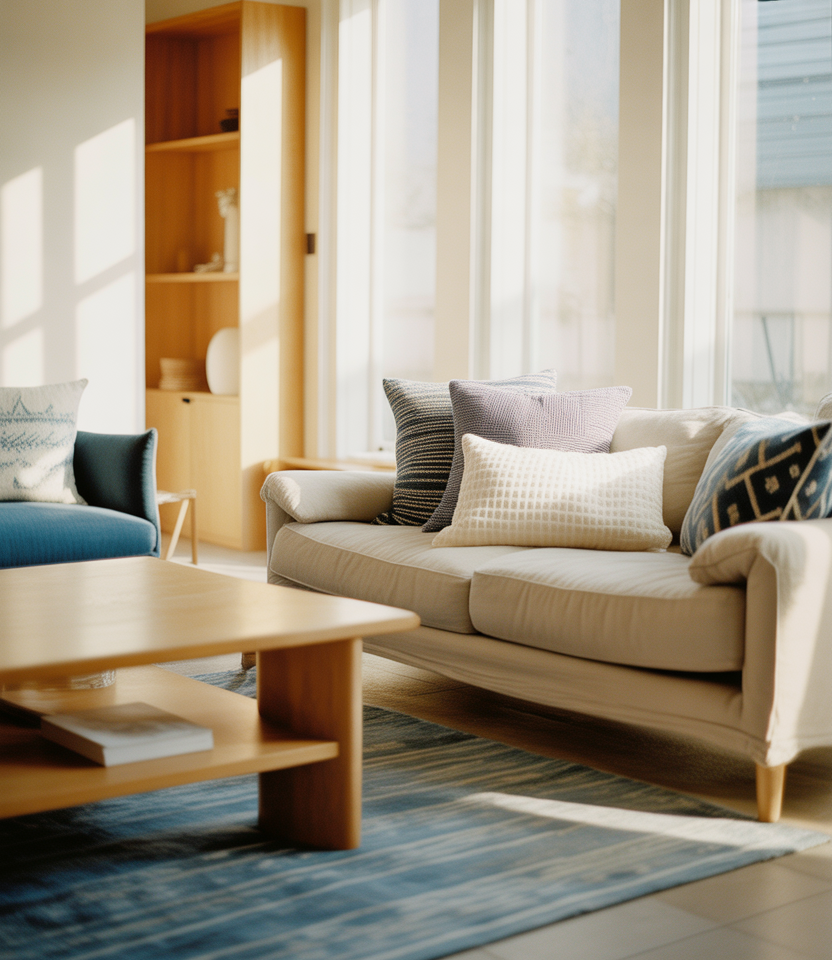
This style is especially suited to coastal or suburban homes where a clean look is comforting. It also offers opportunity for personal style.
19 Soft Blue With Red Accents for Depth
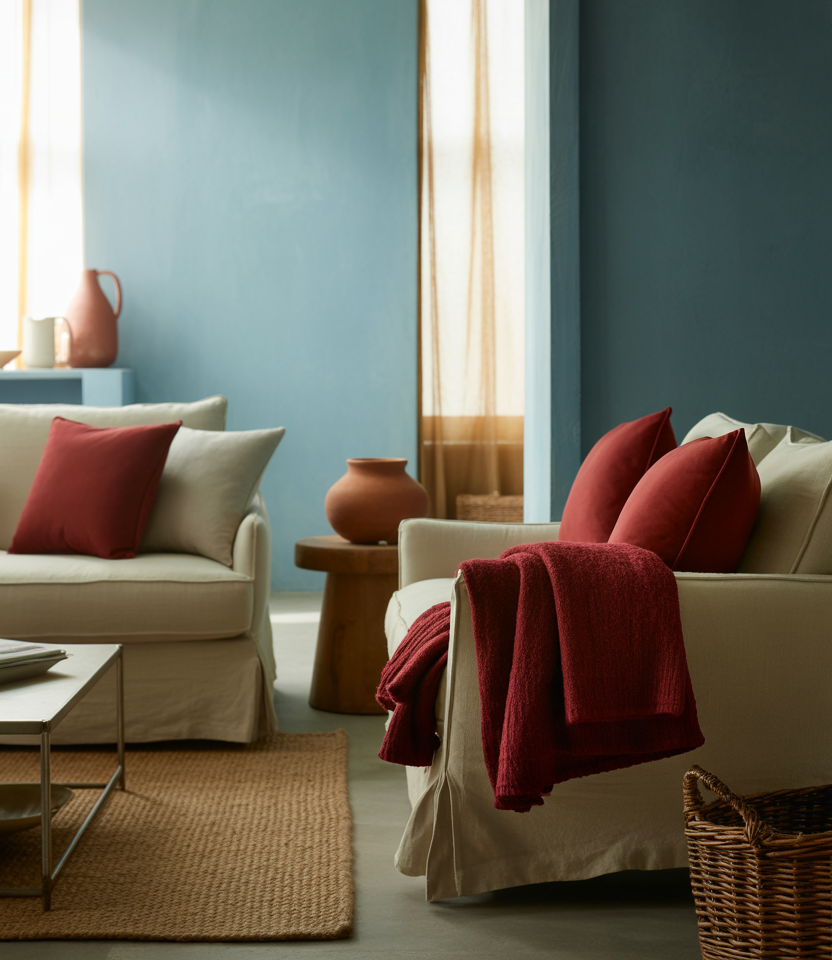 Subtle Red and accents are quietly making their way into blue living rooms, adding warmth and contrast. When used sparingly, red tones ground blue spaces and prevent them from feeling too cool or distant. This pairing feels bold yet controlled when balanced with neutral furniture.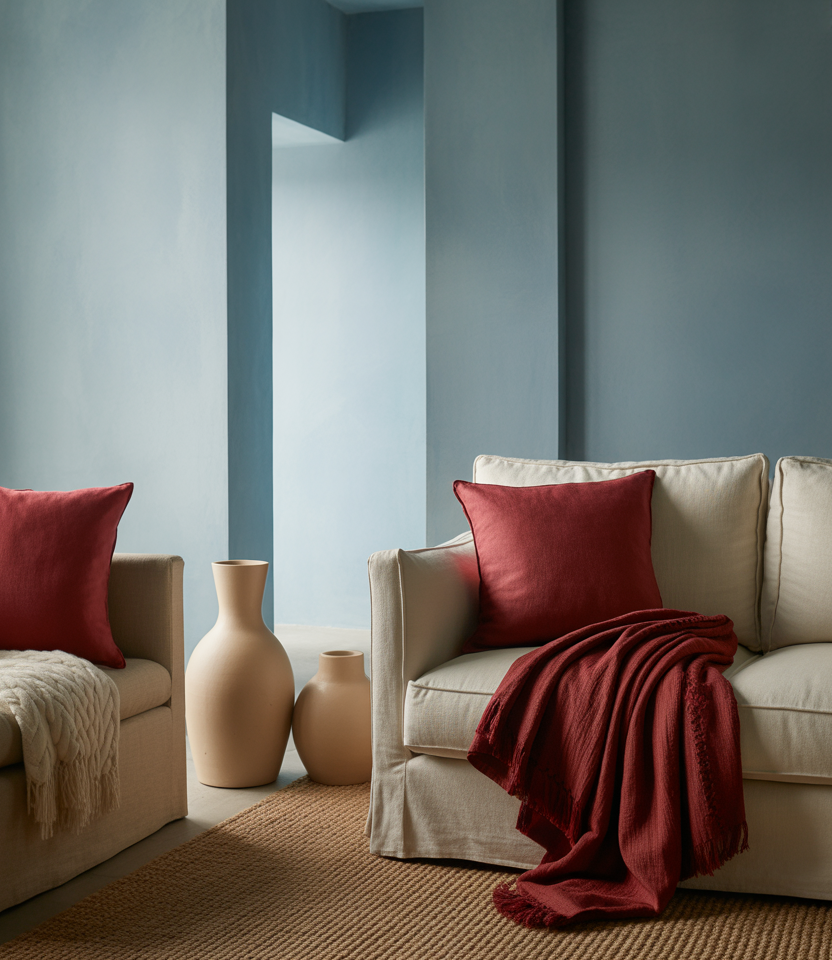
Homeowners often introduce red through art or ceramics first. This allows them to test the contrast before committing to larger pieces.
20 Blue Living Rooms That Feel Personal
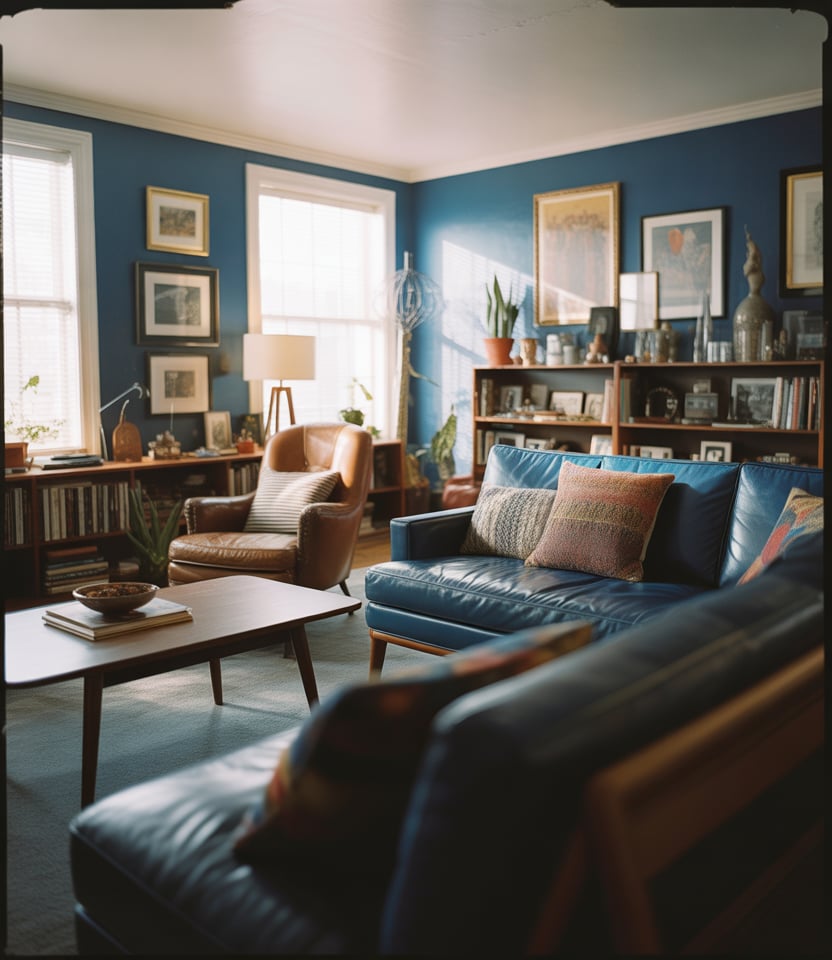 Ultimately, the most compelling blue living rooms of 2026 prioritize individuality over trends. Whether using color scheme layering or mixing familiar tones with unexpected accents, these spaces reflect how people actually live. Blue acts as a canvas for personal collections, artwork, and memories.
Where this works best is in homes that evolve over time. Instead of designing all at once, homeowners add meaningful pieces gradually, letting blue unify the story without dictating it.
21 French-Inspired Blue With Soft Elegance
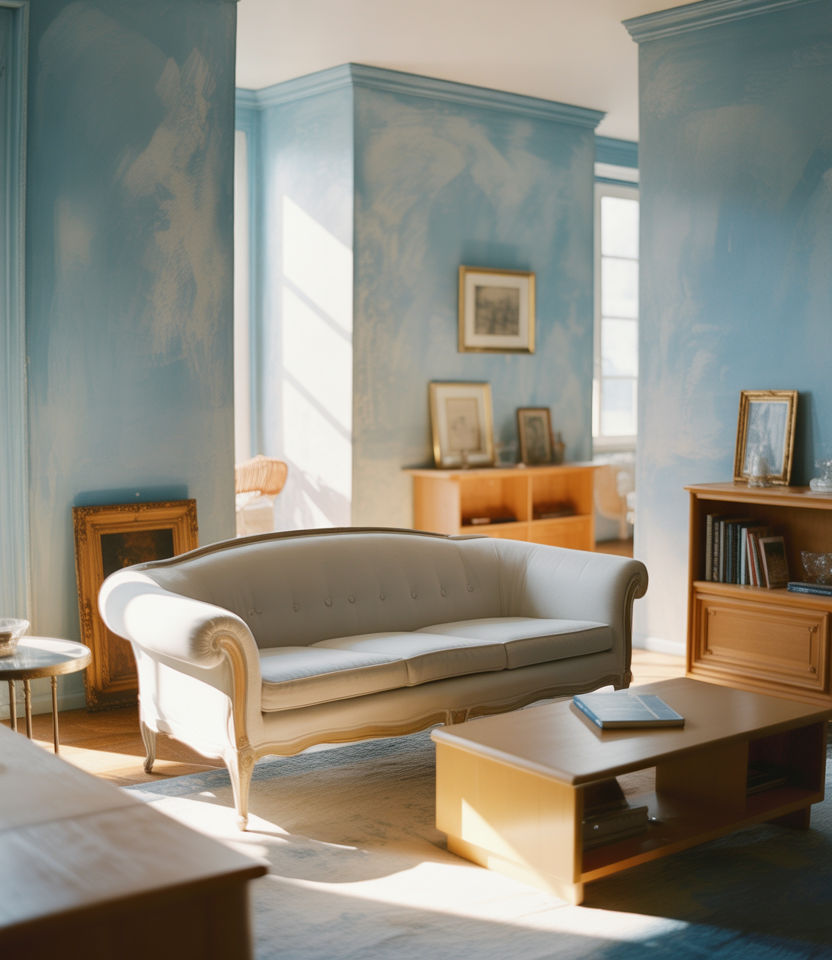 A quietly elegant take on blue living rooms is emerging through French-inspired interiors. Soft blue walls paired with curved furniture and subtle plaster textures feel romantic without being precious. When balanced with neutral and warm finishes, the space feels refined yet relaxed, appealing to homeowners who want character without formality. This look favors restraint, letting proportion and detail do most of the work.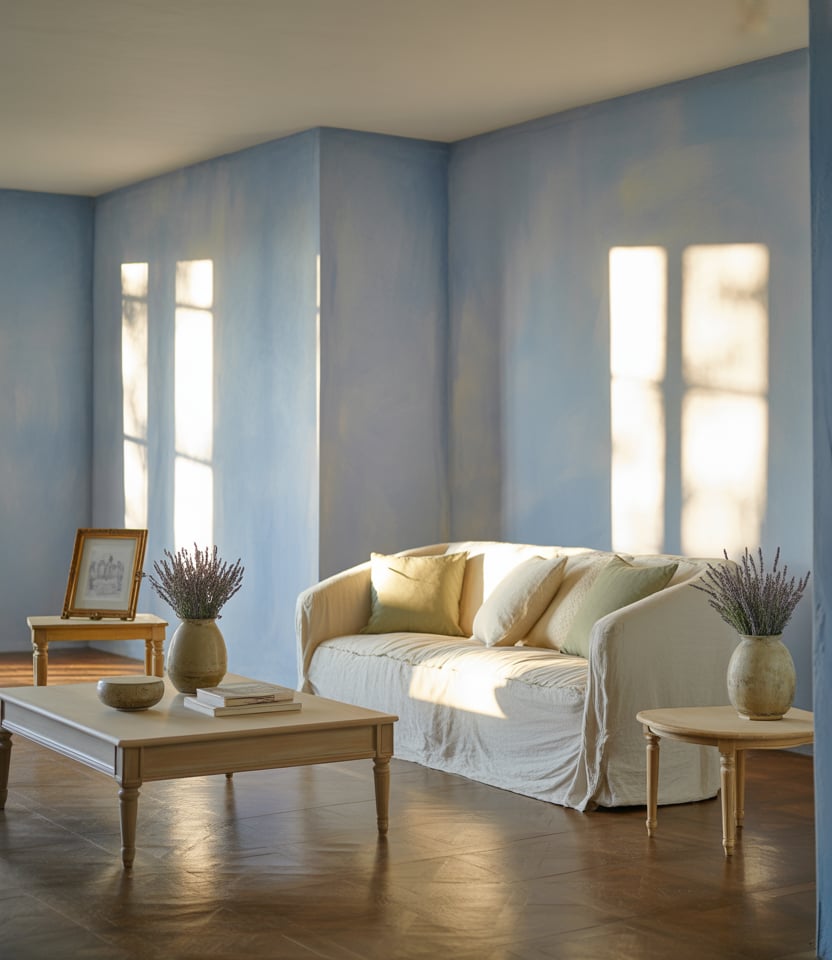
According to designers, this style works best when the palette stays limited. Too many contrasting colors can dilute the effortless feel that makes French interiors so appealing in the first place.
22 Blue With Orange Contrast for Modern Energy
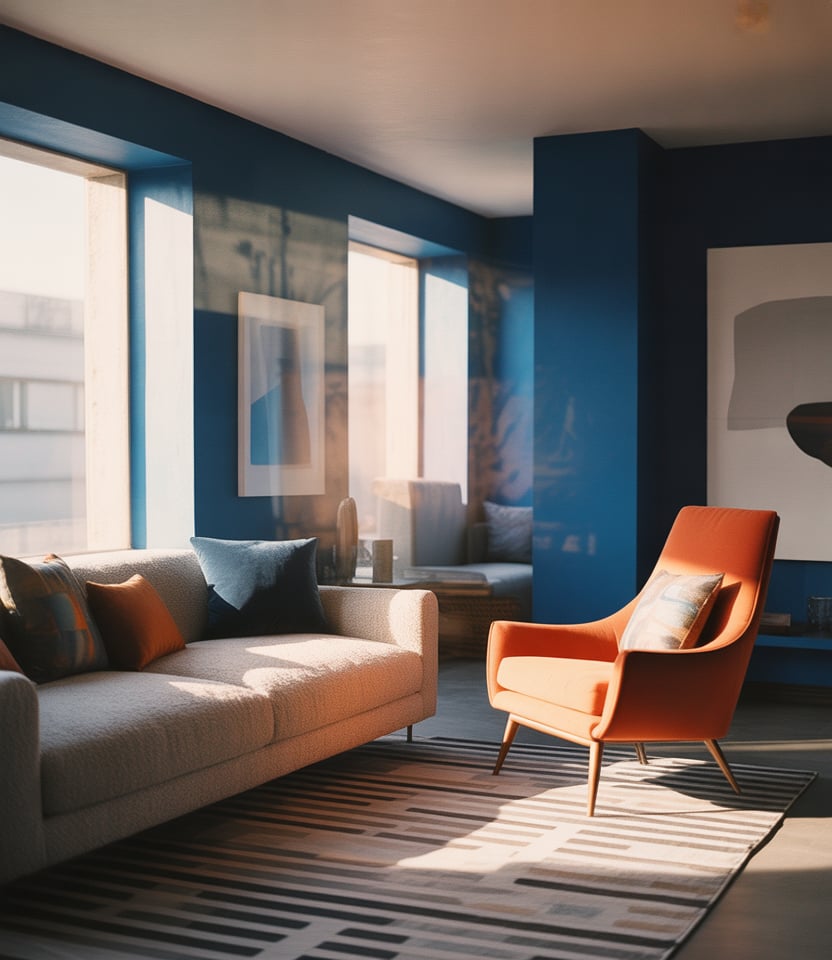 Homeowners with a personality. Bold colors and modern accents create the perfect combination. Blue and orange accents feel contemporary and confident and offer a powerful contrast. Living rooms will function as creative spaces in 2026, and this contrast will feel especially relevant. The blue within the space will create a solid atmosphere; the active and visually stimulating orange accents will provide the perfect complement to balance out a space that may feel overly.
Designers agree that using orange too freely is a common mistake. The contrast feels chaotic when it actually should feel intentional.
23 Pale Blue Living Rooms With Quiet Calm
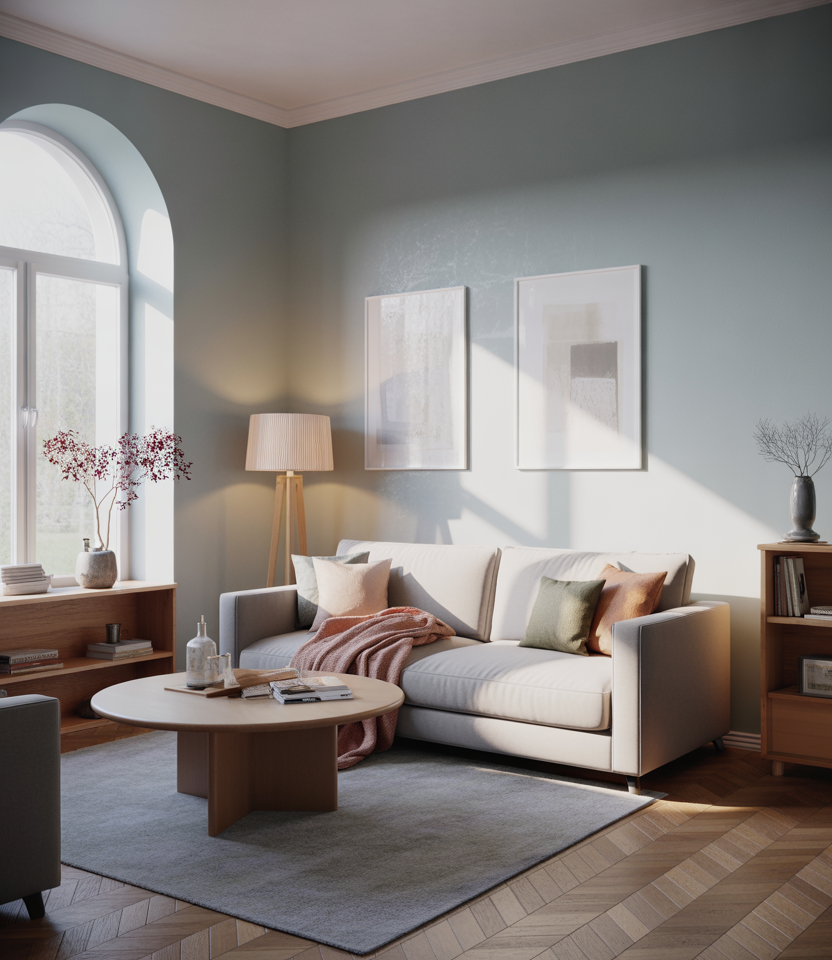 A pale blue living room offers a gentle alternative for those who want color without commitment. Paired with light finishes and a subtle texture, it feels refreshing and open. This approach especially supports intentional living and a calm interior space.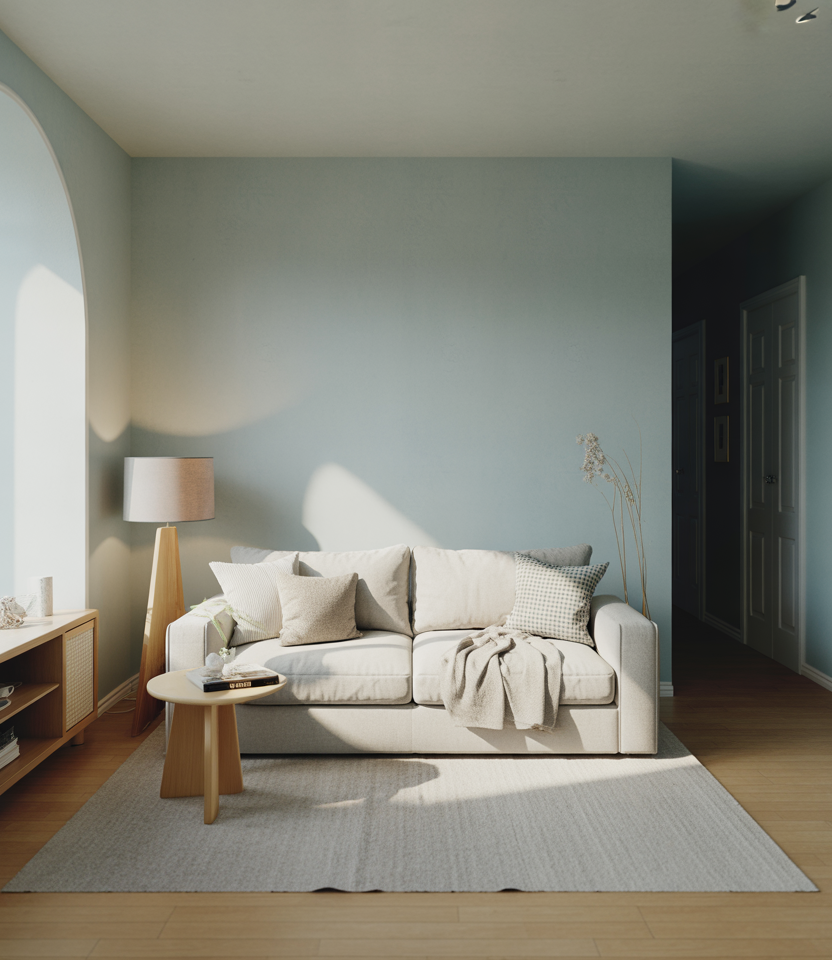
Many real homeowners appreciate the versatility of this palette. Light blue makes artwork and personal items pop and gives the room a more natural, lived-in appearance instead of being styled to perfection.
Blue living rooms in 2026 illustrate how flexible and personal this color has become, moving easily from calm and airy to rich and expressive. Whether you’re drawn to soft neutrals, bold contrasts, or layered textures, blue offers a foundation that adapts to real homes and real routines. Tell us in the comments which idea resonates with you the most, or how you’re using blue in your living room.