Family rooms are evolving fast for 2026—they’re no longer just “the TV space,” but the emotional center of the home where real life happens: movie nights, homework, hosting, and lazy Sundays. On Pinterest, Americans are searching for family room designs that feel both beautiful and livable, with smarter layouts, warmer textures, and storage that actually works. In this guide, you’ll find 21 fresh, realistic ideas that blend comfort with style—from cozy fireplaces to open-concept zones and built-in media walls. Use these designs as inspiration whether you’re remodeling or simply refreshing what you already have.
1. Cozy Modern Farmhouse TV Lounge
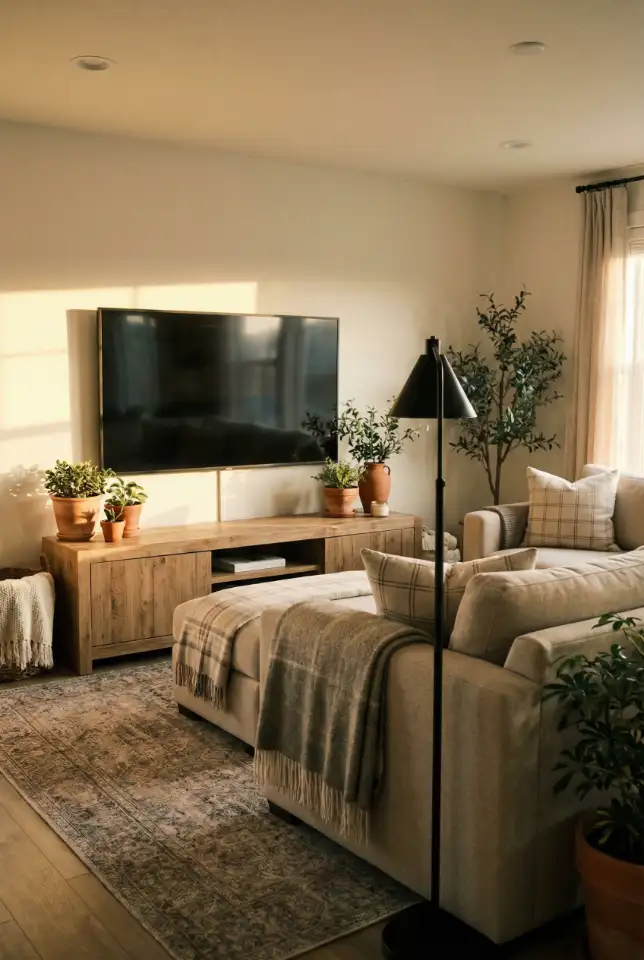
A cozy family room with a TV setup feels instantly inviting when you lean into farmhouse warmth without making it too themed. Think white oak tones, soft linen slipcovers, a big comfortable sectional, and layered lighting. The best part of cozy modern farmhouse style is how it hides everyday mess while still looking bright, fresh, and welcoming. 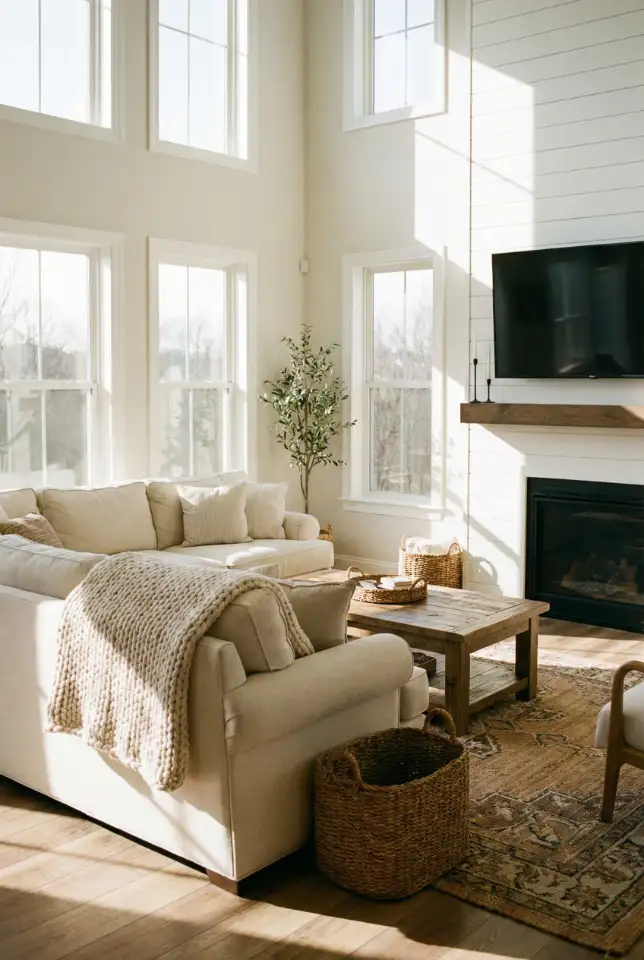
Expert-style commentary: Designers often recommend balancing farmhouse elements with modern clean lines—skip overly distressed décor and focus on quality textures. A simple rule: for every rustic piece (like reclaimed wood), add one sleek element (like matte black lighting) so the room stays timeless instead of trendy.
2. Basement Media Den With Deep Sectional
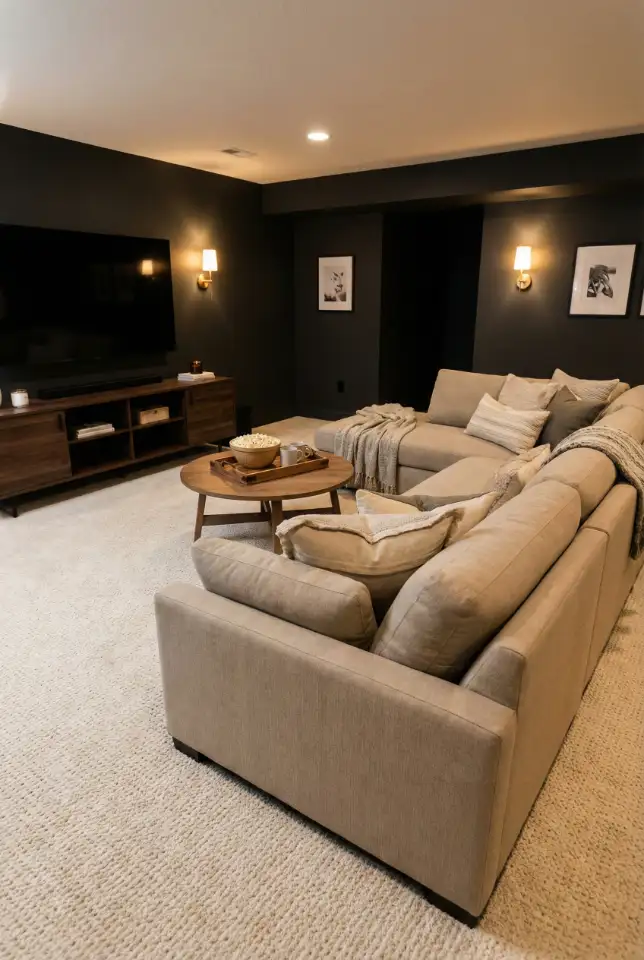
A family room in the basement is the perfect place to go bold and extra comfy. The key is choosing a truly oversized sectional that invites lounging, then anchoring it with soft carpet or a thick rug to reduce echoes. Add blackout-friendly lighting and a streamlined TV wall so the space feels intentional, not like an afterthought. 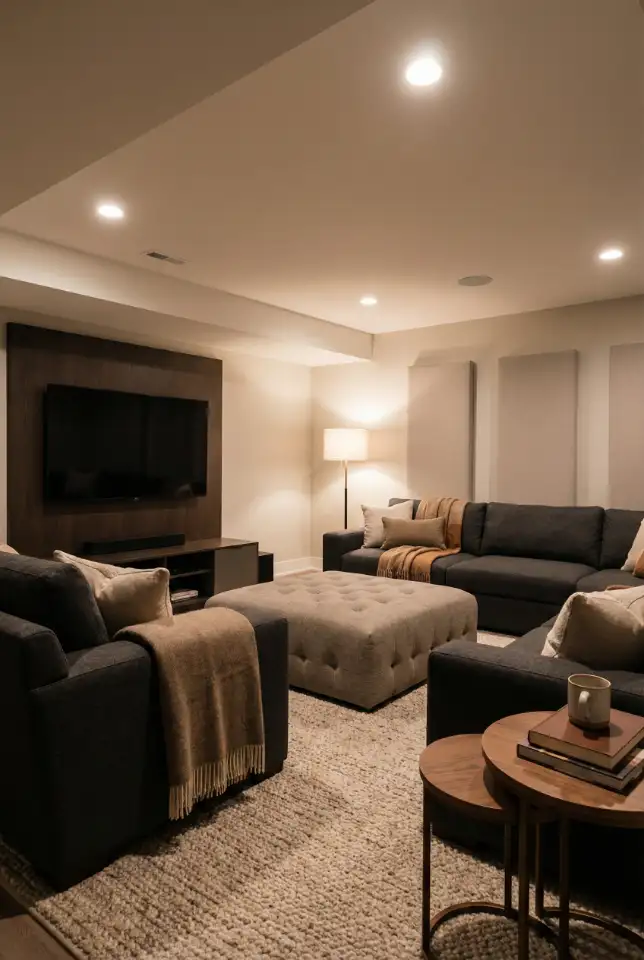
Common mistakes and how to avoid them: Many basement family rooms feel cold or hollow because people skip sound-softening materials. Avoid the “empty box” effect by adding thick curtains, a plush rug, upholstered furniture, and at least one textile wall element (even framed fabric art) to instantly warm up acoustics.
3. Traditional Fireplace Seating With Symmetry
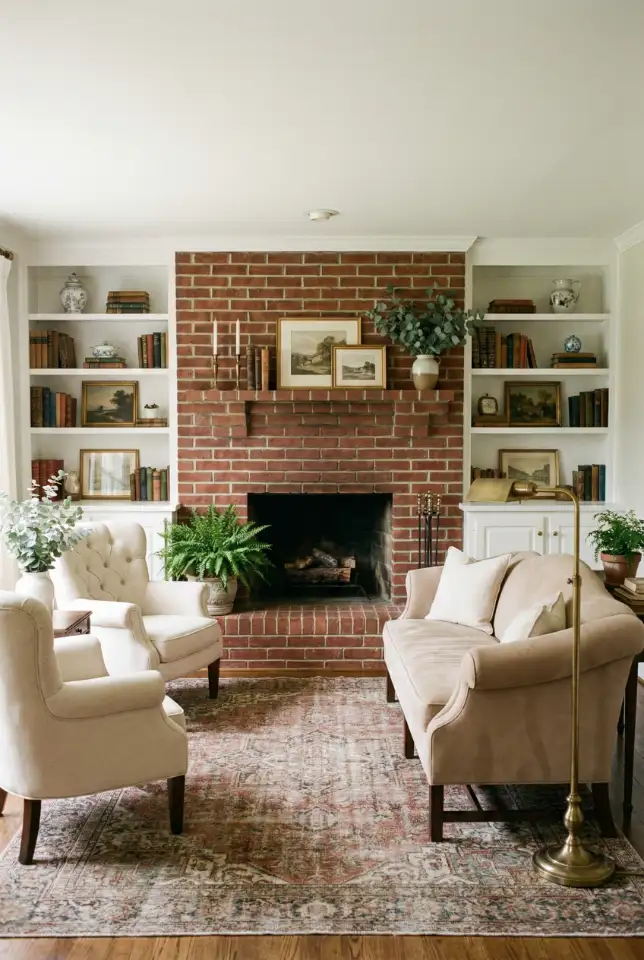
If you love a more traditional look, build your family room around a classic fireplace with symmetrical furniture placement. A pair of matching sofas or armchairs facing each other creates a “conversation-ready” layout that still works for everyday lounging. Add soft brass accents, framed artwork, and warm paint to create a collected, timeless atmosphere. 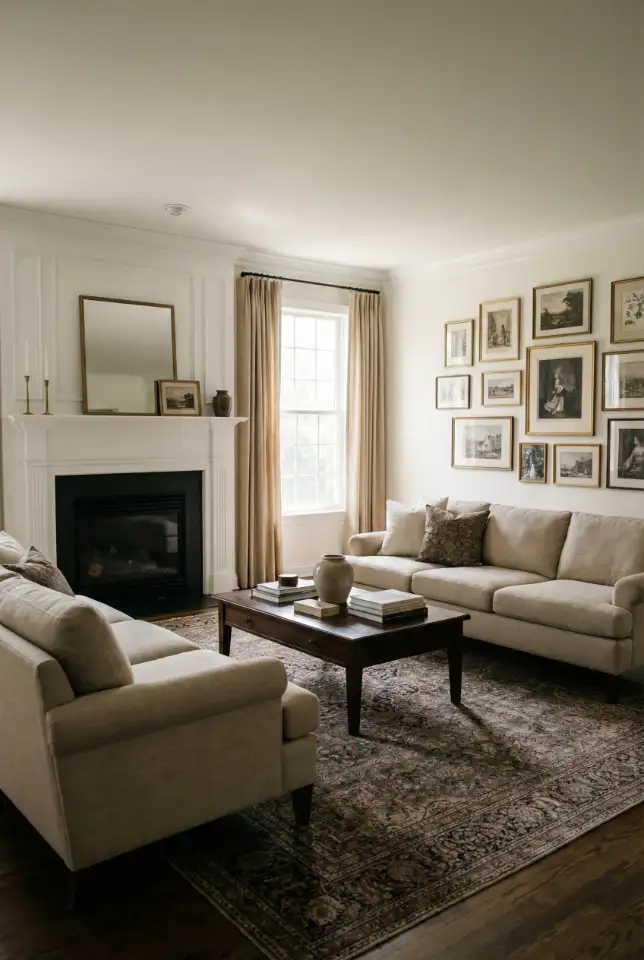
Where it works best: This layout works great for older homes, colonials, and suburban builds with fireplaces that are centered. It is especially great for homes with formal proportions. It is also great for families who like to entertain, as this layout encourages conversation instead of everyone having to stare at the TV.
4. Open Concept Family Zone With Rug Boundaries
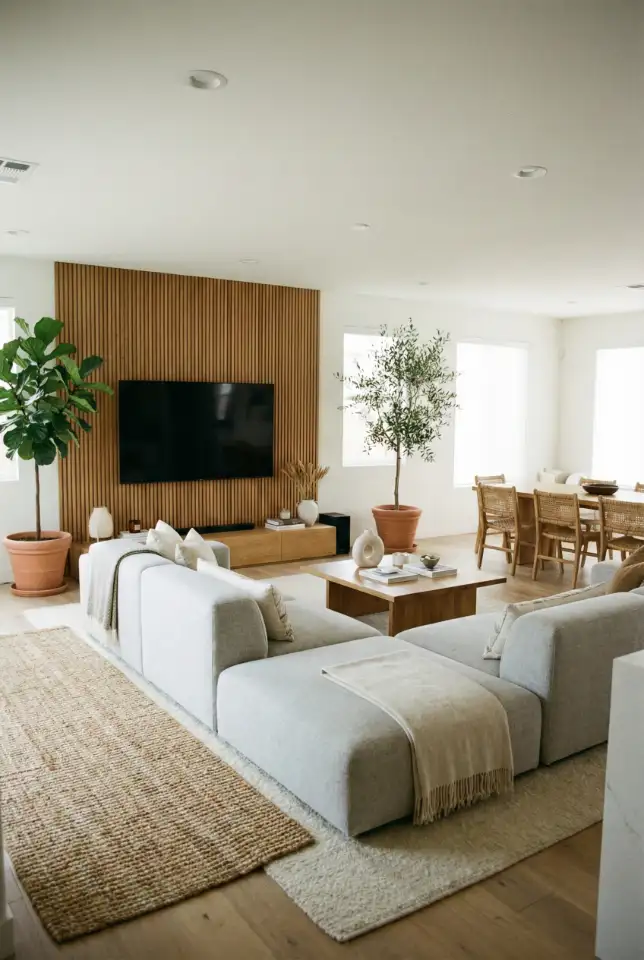
In an open-concept home, the family room needs clear visual borders so it doesn’t feel like floating furniture. Use one oversized rug to define the seating area, then position the TV wall as a focal point that anchors the room. For large layouts, layered rugs and intentional lighting zones make the space feel designed rather than scattered. 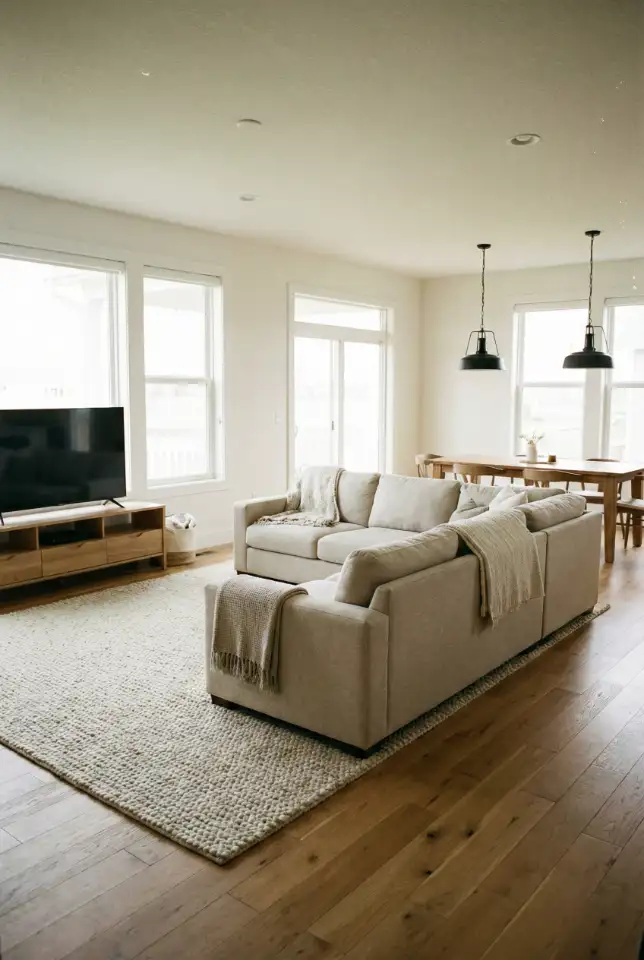
Practical insight: If your open-concept room always feels “off,” the rug is usually too small.
Choose a spacious rug that allows at least the front legs of all major seats to rest on it. This instantly adds a sense of togetherness to the room, making a large area feel more calm and centered.
5. Family Room Design: Luxury Hotel Inspiration, Plush, Neutral
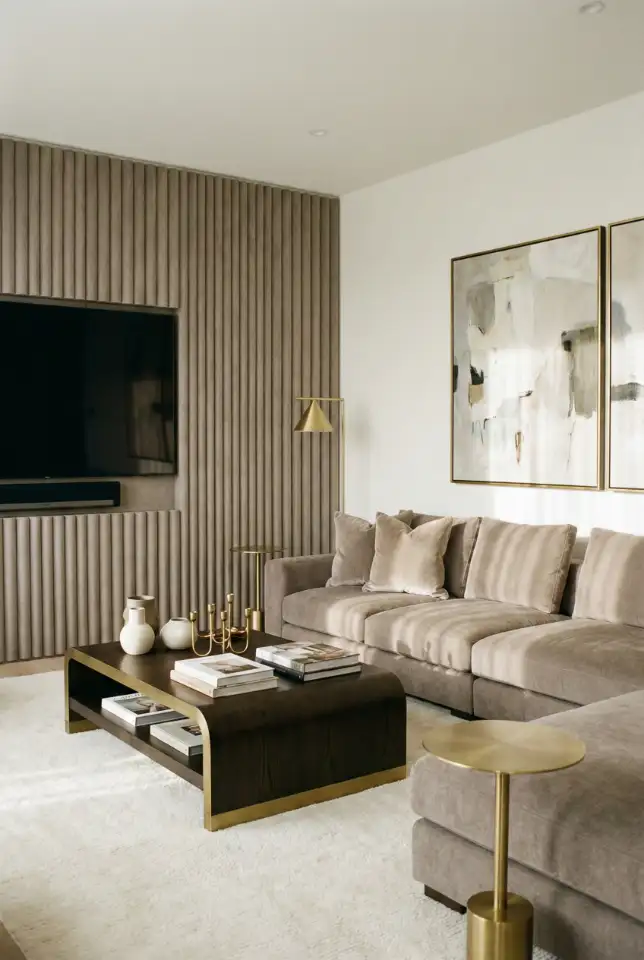
Would you like to transform your family room into a luxury hotel suite and still keep it comfortable? This luxury method uses plush textiles, soft neutrals, and decorative lighting to create a refined look. 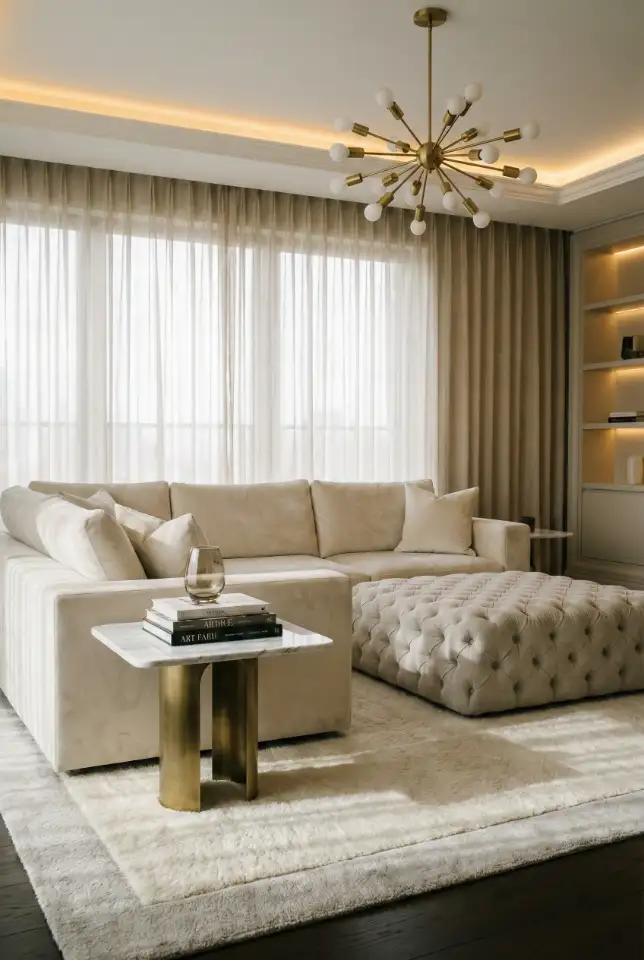
Real homeowner behavior: In the “hotel look” of real homes, people don’t feel comfortable using it. Make it practical by using robust materials and a hidden storage solution like a lift-top ottoman to keep blankets, toys, and remotes out of sight when guests arrive.
6. Family Room Design: Minimalist Style, Hidden Storage
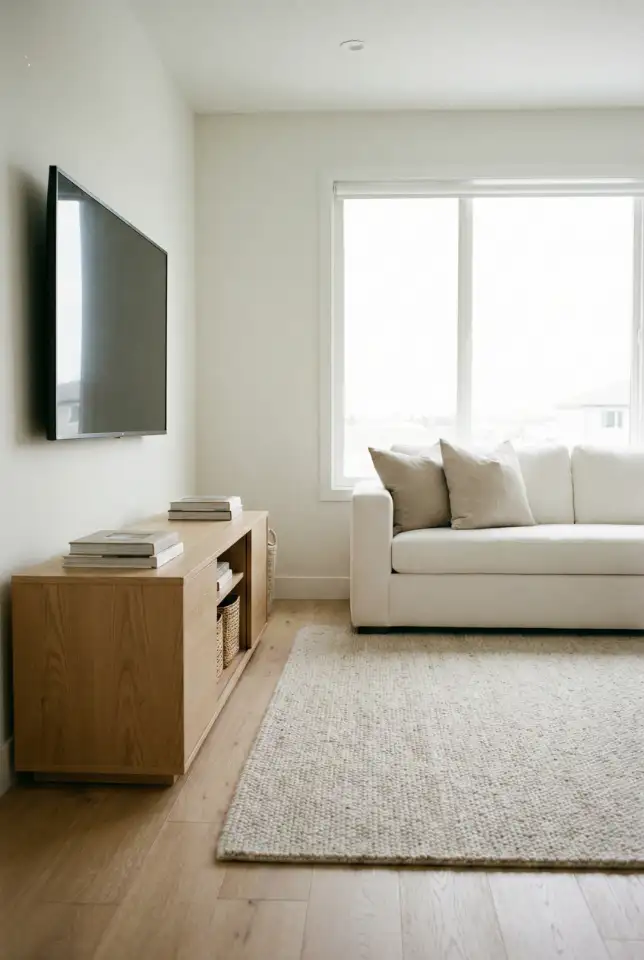
A minimalist family room doesn’t mean cold or empty—it means calm. The trick is choosing a simple palette, streamlined furniture, and storage that keeps clutter out of sight. This is especially powerful for small spaces, where too many decor items create chaos fast. Stick to clean silhouettes, warm wood tones, and soft lighting. 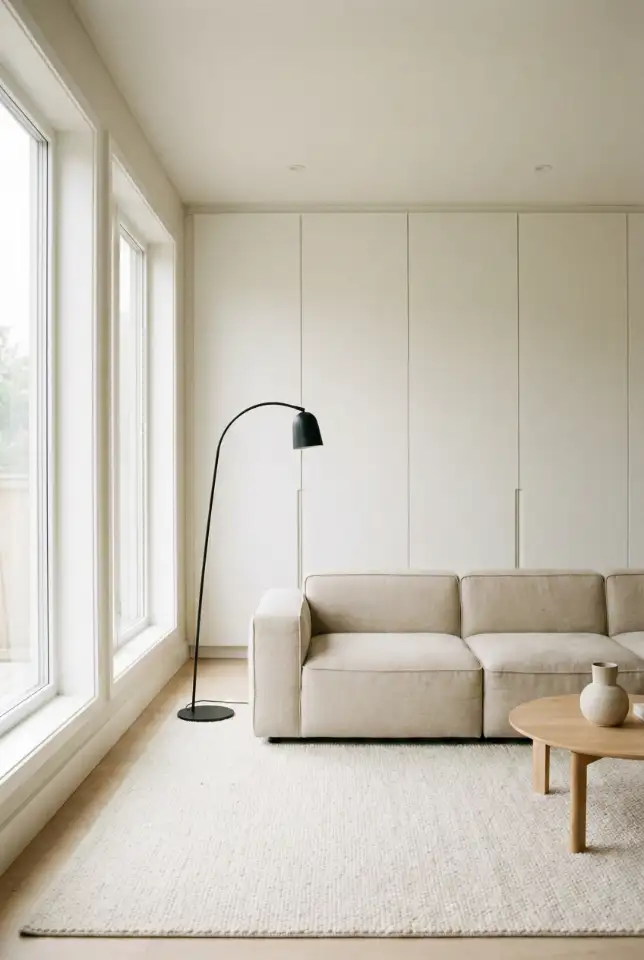
Budget/price angle: You don’t need custom built-ins to get this look. IKEA-style closed cabinets plus upgraded hardware can create a high-end effect for a fraction of the price. Spend your budget on one “anchor” piece (like a quality sofa) and keep everything else minimal and functional.
7. Eclectic Fun Family Room With Color Pops
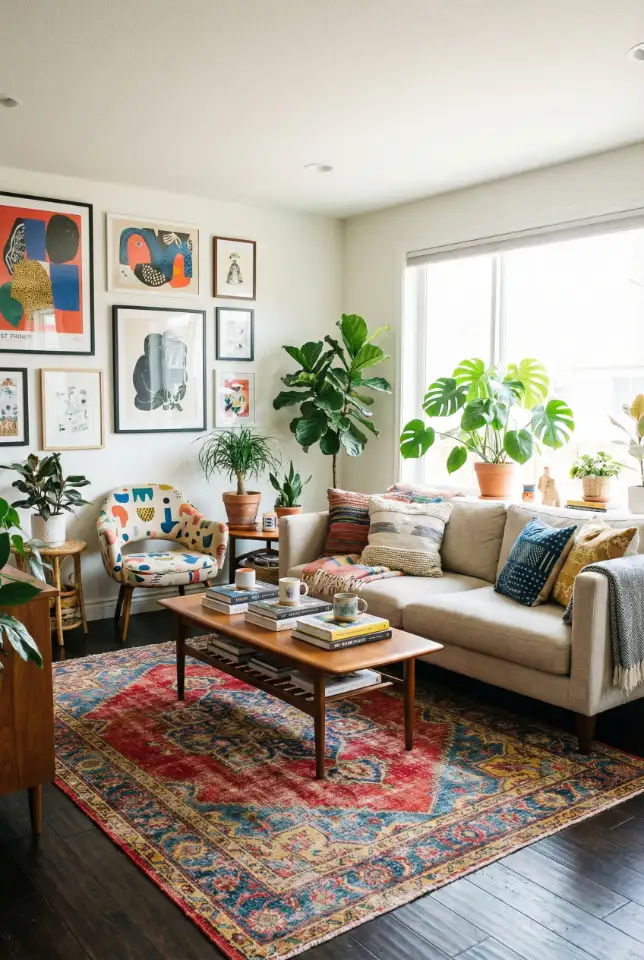
An eclectic family room is where you can loosen up and embrace personality. Instead of matching everything, mix patterns and textures—a bold rug, quirky art, and colorful throw pillows make the room feel joyful. This is the perfect option if you want something fun and casual, especially in a busy home where the room needs to feel energetic, not fragile. 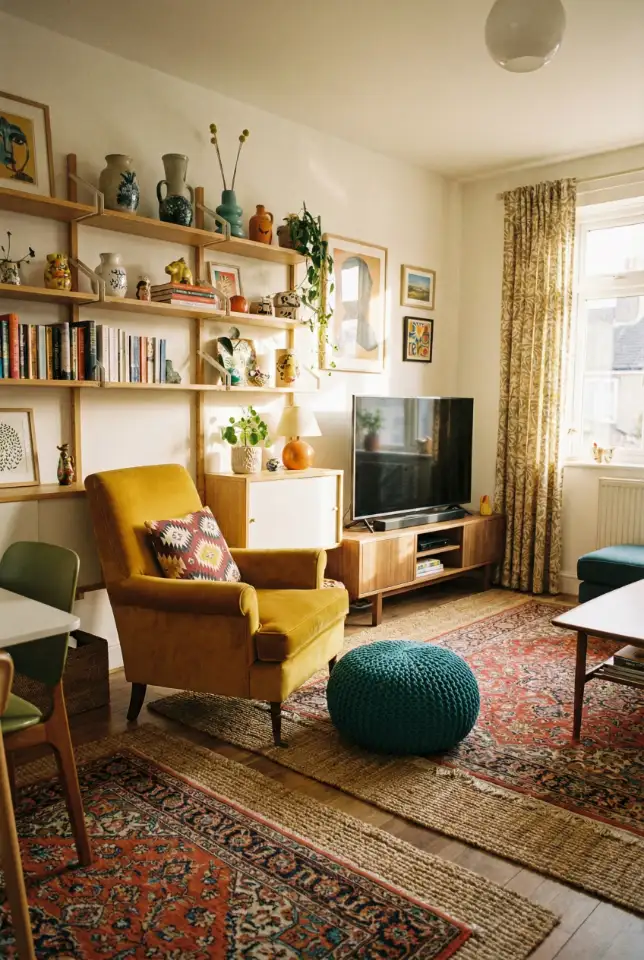
Micro anecdote: One homeowner I interviewed said their family finally stopped “fighting the mess” when they designed the room around real life—washable textiles, furniture you can move easily, and color that hides daily wear. The space became happier because it was designed to be lived in.
8. Japandi Calm Family Room With Warm Woods
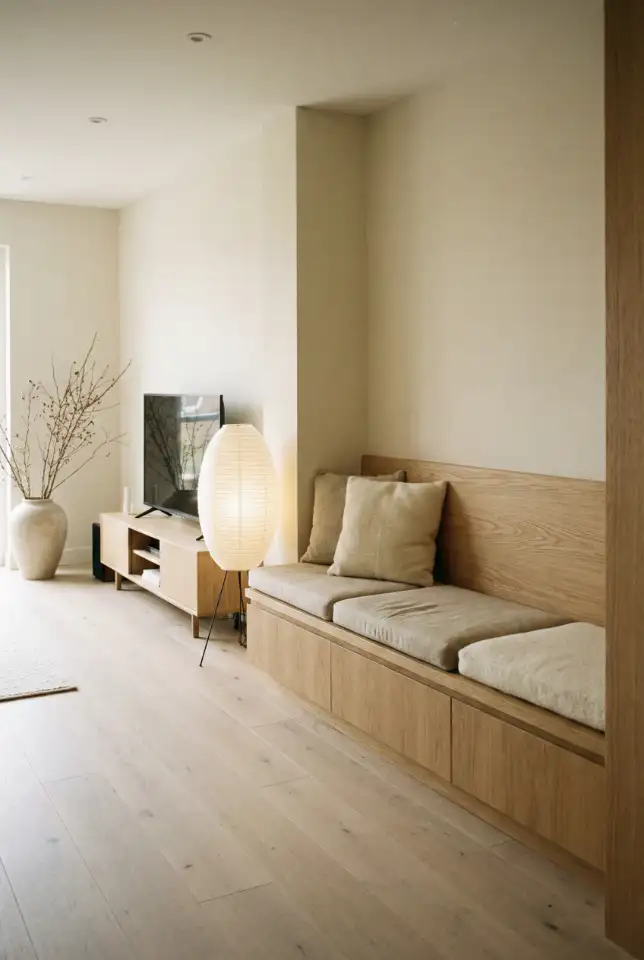
Japandi style is trending hard for 2026 because it blends soft minimalism with cozy warmth—perfect for a family room. Use low seating, warm oak tones, matte ceramics, and a few sculptural accents. The mood stays simple and relaxing but still inviting enough for movie nights, snacks, and everyday hanging out. 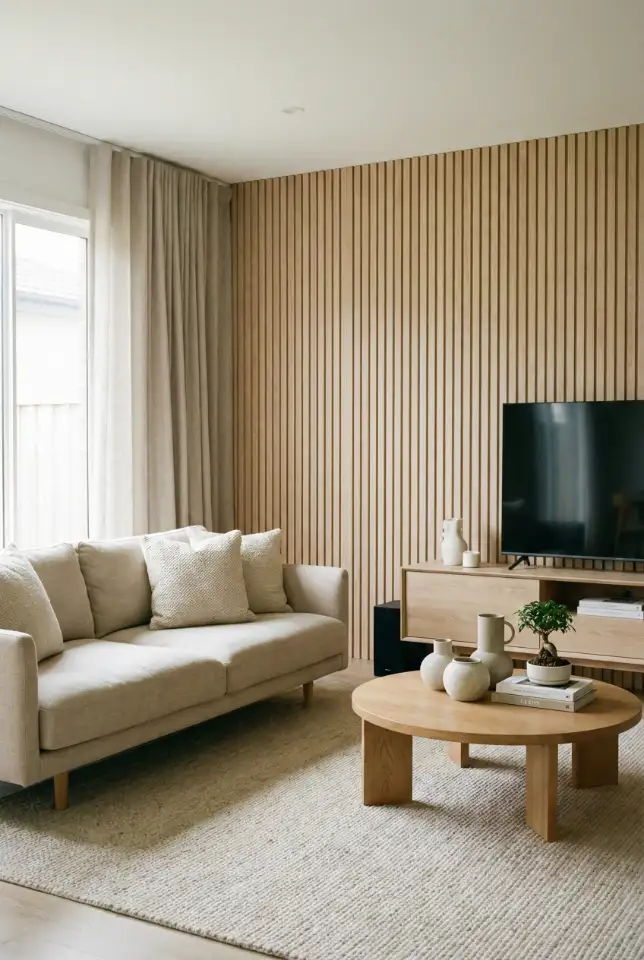
American lifestyle or regional context: This look is especially popular in West Coast and Pacific Northwest homes where natural light and wood finishes already dominate. It also works beautifully in newer suburban builds—it softens builder-basic rooms while keeping the vibe fresh, modern, and uncluttered.
9. Transitional Built-In Media Wall With Storage
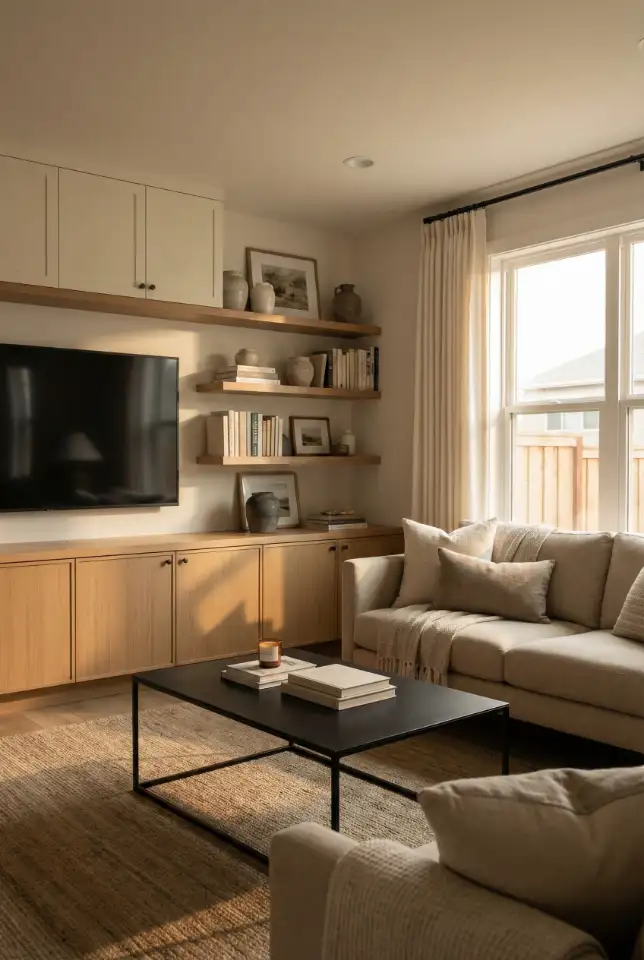
A family room that feels modern but still warm often lands in the sweet spot of transitional design. Add ideas with built-in media wall storage to create a clean focal point that hides cords, gaming gear, and clutter. The best built-ins mix closed cabinets with a few open shelves so the room feels styled—not like a storage unit. 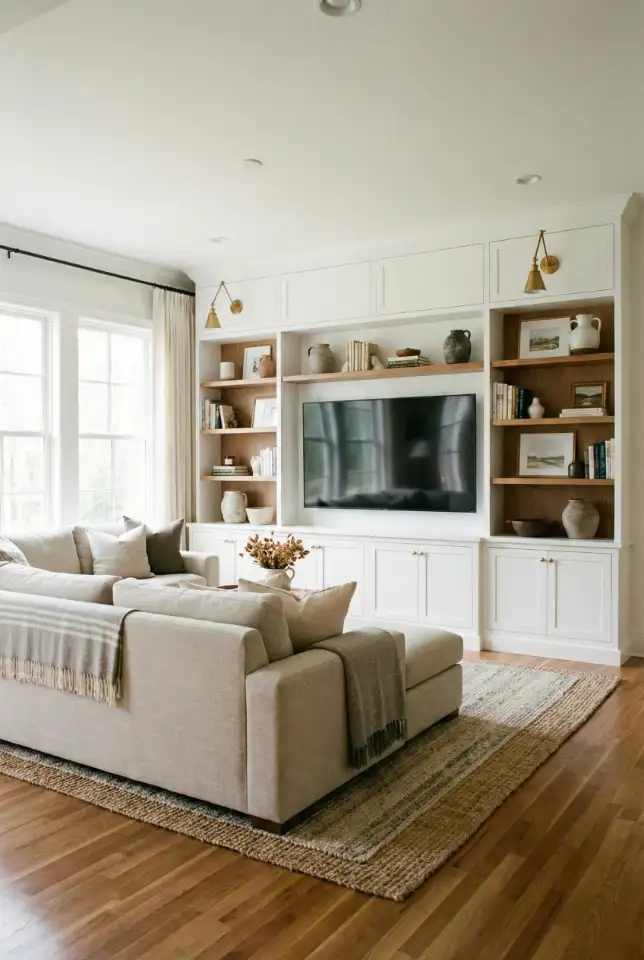
Where it works best: Built-ins usually work best when the family room is the main gathering area of the house—particularly if it is open to the kitchen. Having storage ensures the space is always ready for a photo, and the stylish design makes the TV look built-in rather than off-center and visually unbalanced.
10. Modern Bloxburg-Inspired Family Room Layout
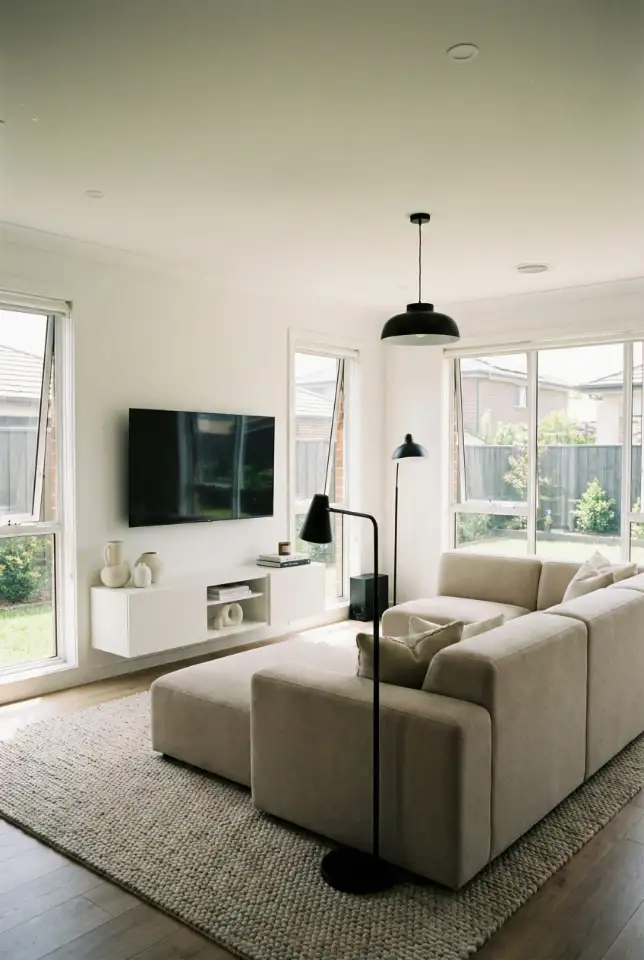
The Bloxburg-inspired aesthetic is popular for a good reason; it is simple, contemporary, and looks good in pictures while remaining achievable in actual homes. Concentrate on a mod style 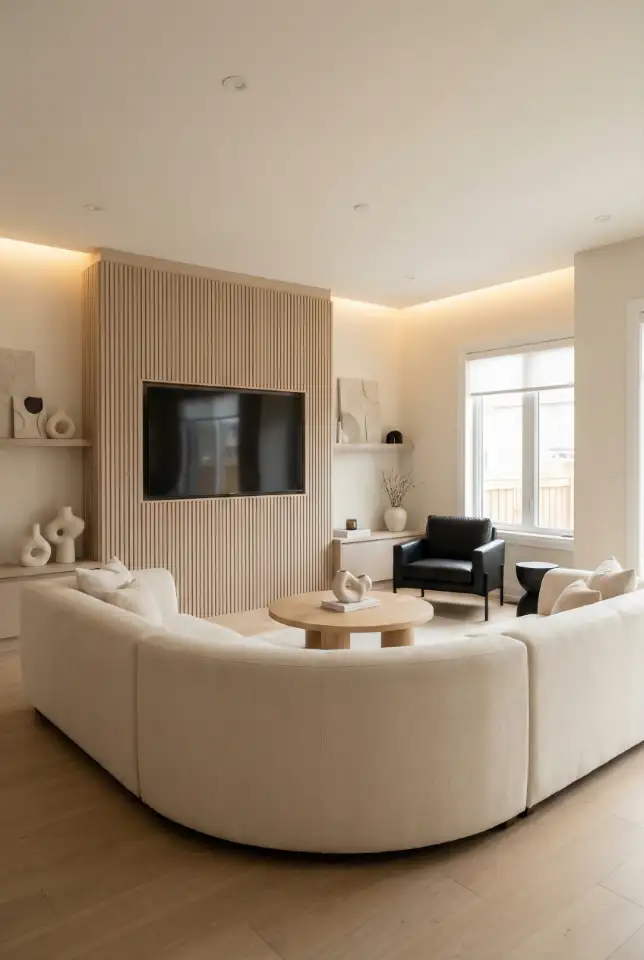
Practical insight: The easiest way to get this look is to repeat shapes and finishes: the same wood tone across furniture, the same metal finish for lighting, and one consistent neutral palette. When everything “belongs,” your room automatically feels more expensive—even if the pieces are budget-friendly.
11. Modern Fireplace + TV Wall Combo
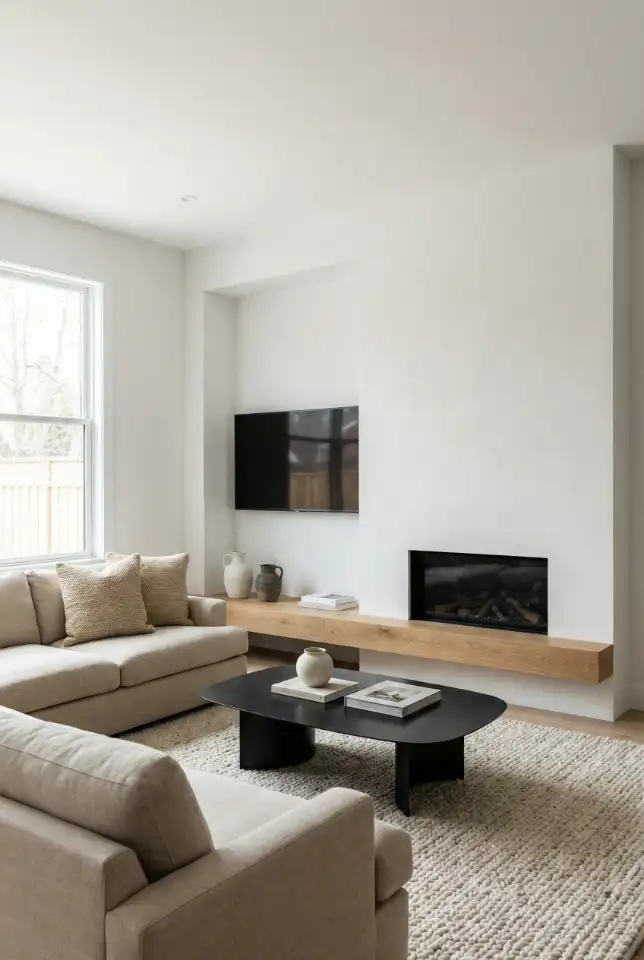
A modern family room feels instantly polished when you combine a sleek fireplace with a clean TV wall design. The trick is to keep lines simple: a slim plaster fireplace surround, a floating hearth, and a low media ledge that hides cords. This layout keeps the room feeling warm and architectural, without the TV taking over the whole space. 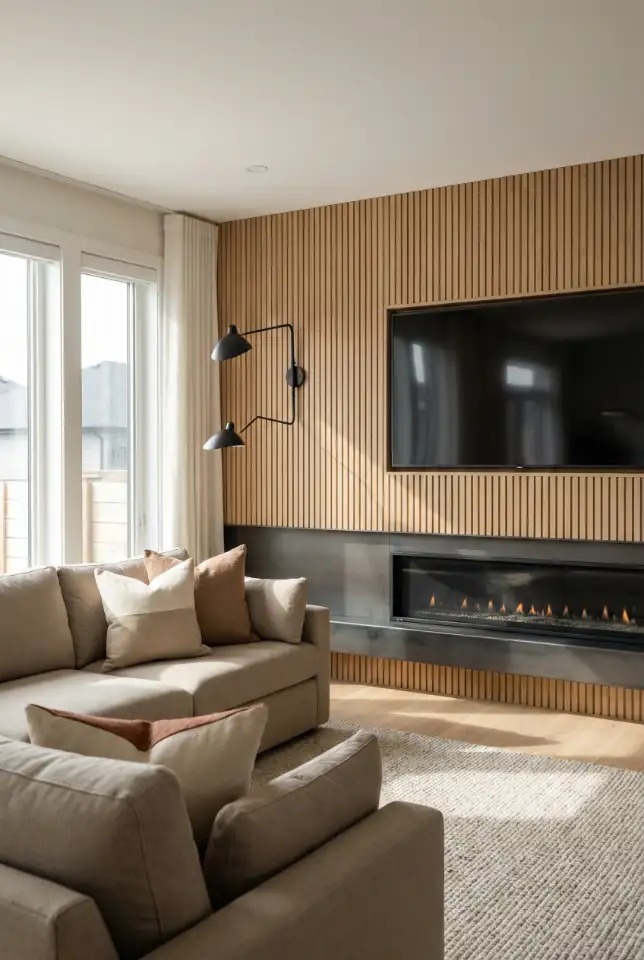
Common mistakes and how to avoid them: Don’t mount the TV too high just to “fit” above the fireplace. If your neck strains, the room will never feel relaxing. Use a lower linear fireplace or place the TV next to the fireplace so viewing height stays comfortable and natural.
12. Traditional Family Room With Built-In Bookcases
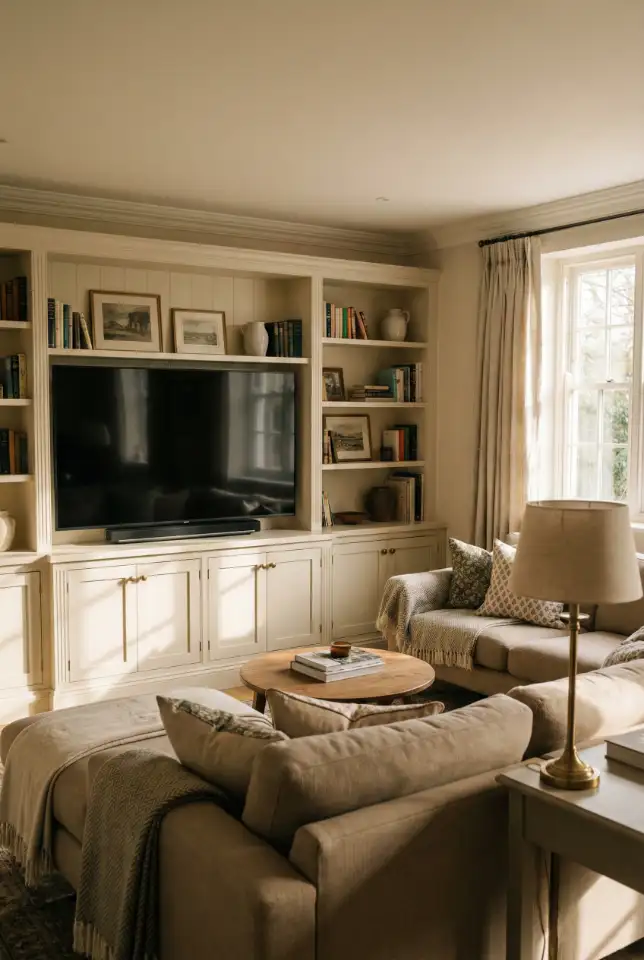
A traditional family room becomes more charming when you add built-in bookcases that frame the TV or fireplace. The goal is to make the room feel layered and personal—not staged. Use warm paint, classic trim, and a mix of closed storage for clutter plus open shelves for books, framed photos, and collected decor that feels genuinely lived-in. 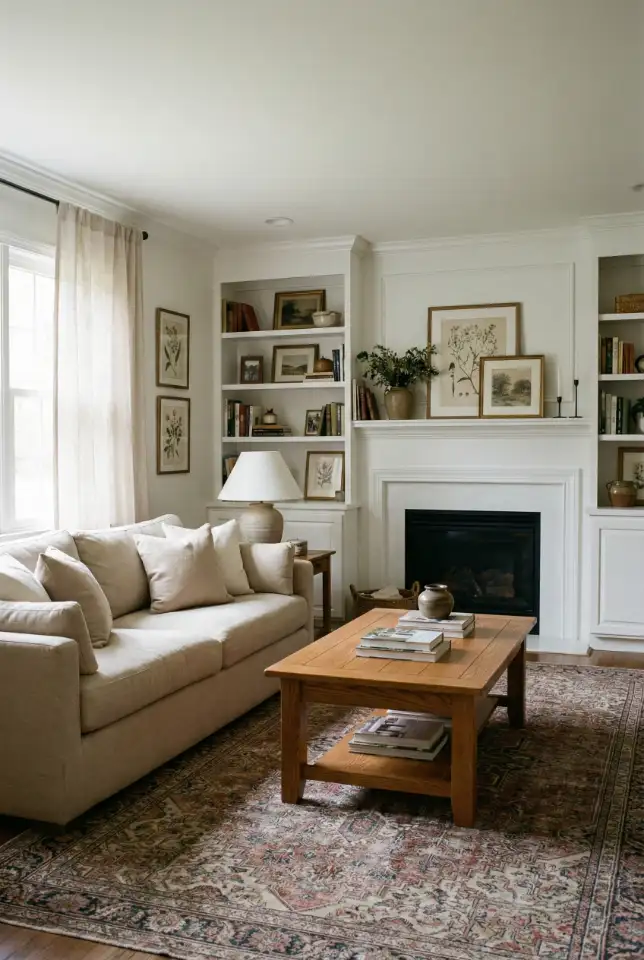
Expert commentary: Built-ins seem expensive when they are styled and there is space to “breathe.” Designers recommend “leaving empty” 30-40% of shelf space to reduce the feeling of a cluttered room. A few big items feel calmer than many little decorative items.
13. Open Concept Family Room With Double Seating Zones
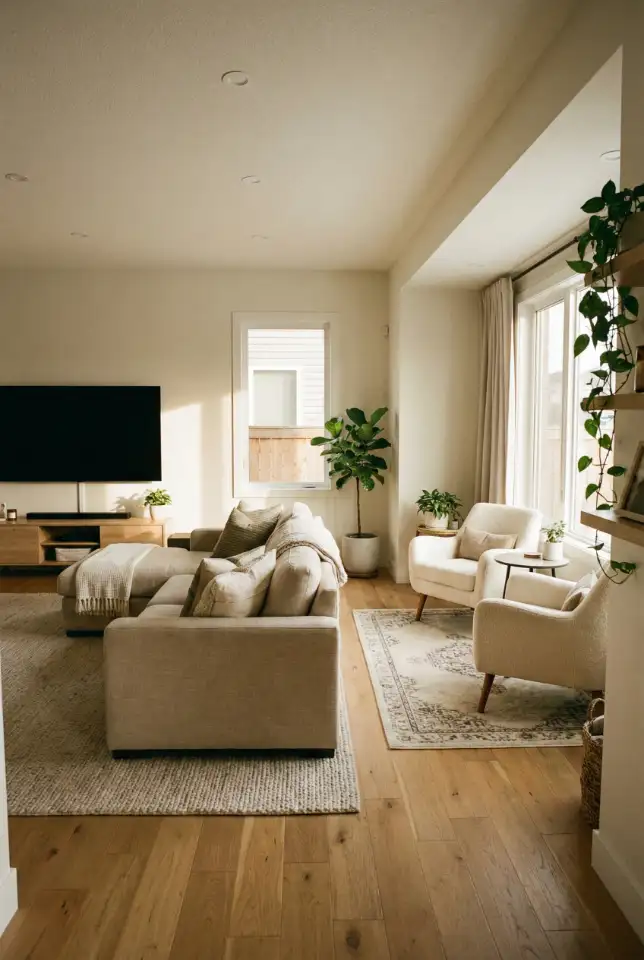
In open-concept houses, one couch is often not enough, especially in a large layout. Build two seating zones: one main sectional focused on the TV and one small “conversation nook” with two chairs and a side table. This adds to an intentional and flexible space and is great for family, entertaining, and doing different things at the same time. 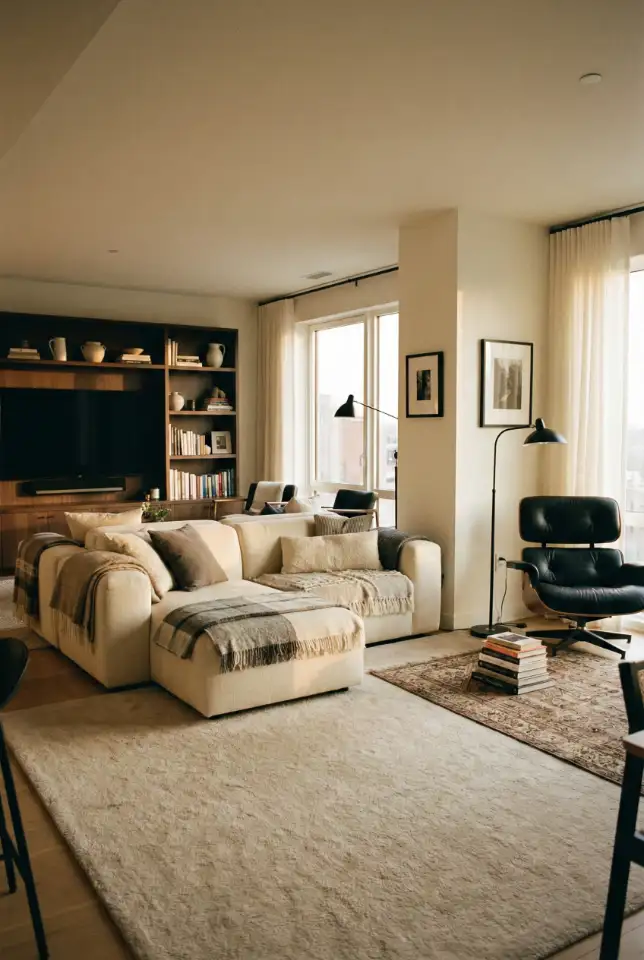
Where is it best? This setup is best in the new suburbs where the family room is merging with the kitchen. It makes the room feel less like a furniture showroom and more like a functional space for the whole family, especially for those who like to entertain or for families with older children.
14. Luxury Family Room With Statement Sectional
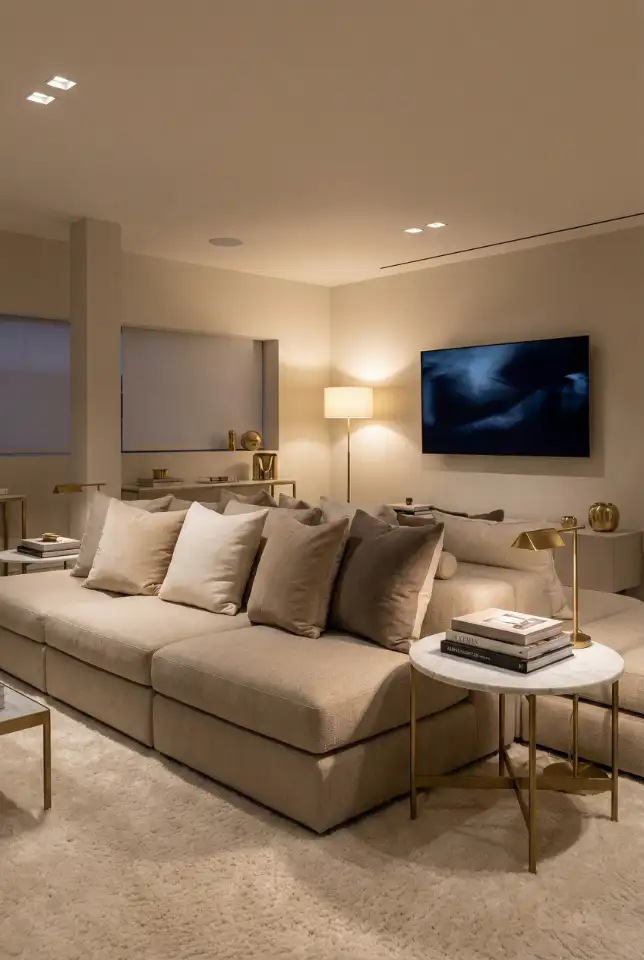
A luxury family room doesn’t have to be formal—it can be all about comfort, just elevated. Choose a dramatic curved or extra-deep sectional in a high-end fabric like performance velvet or textured bouclé. Add oversized pillows, a chunky rug, and a bold coffee table to create that “designer done” feeling while staying fully family-proof. 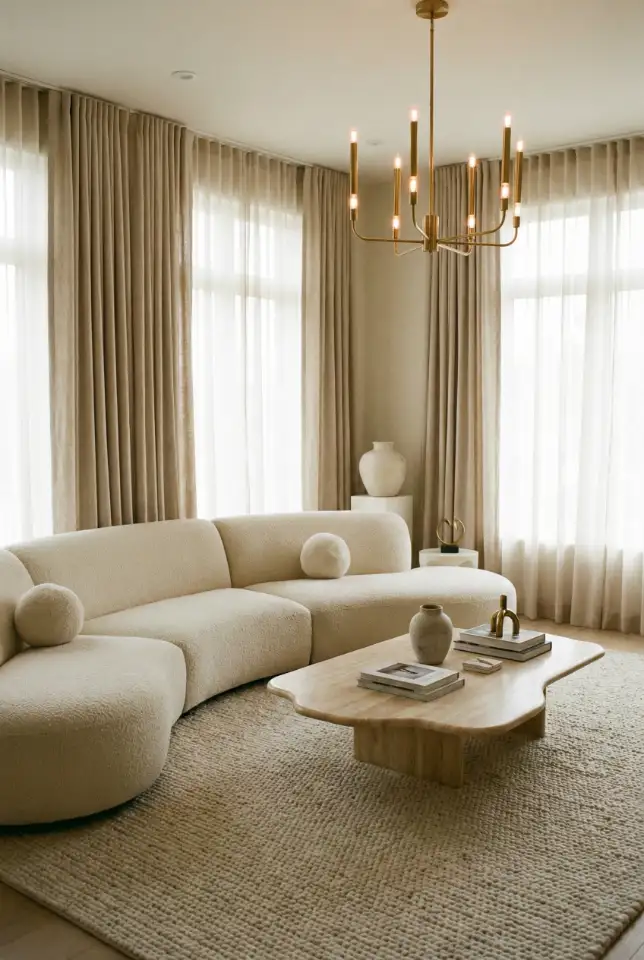
Real homeowner behavior: Most homeowners naturally gather on the “best” seat—usually the corner of the sectional. Plan for it by placing a table nearby for drinks and adding durable textiles. A luxury space stays beautiful longer when it’s designed around how people actually lounge.
15. Transitional Family Room With Warm Neutral Layers
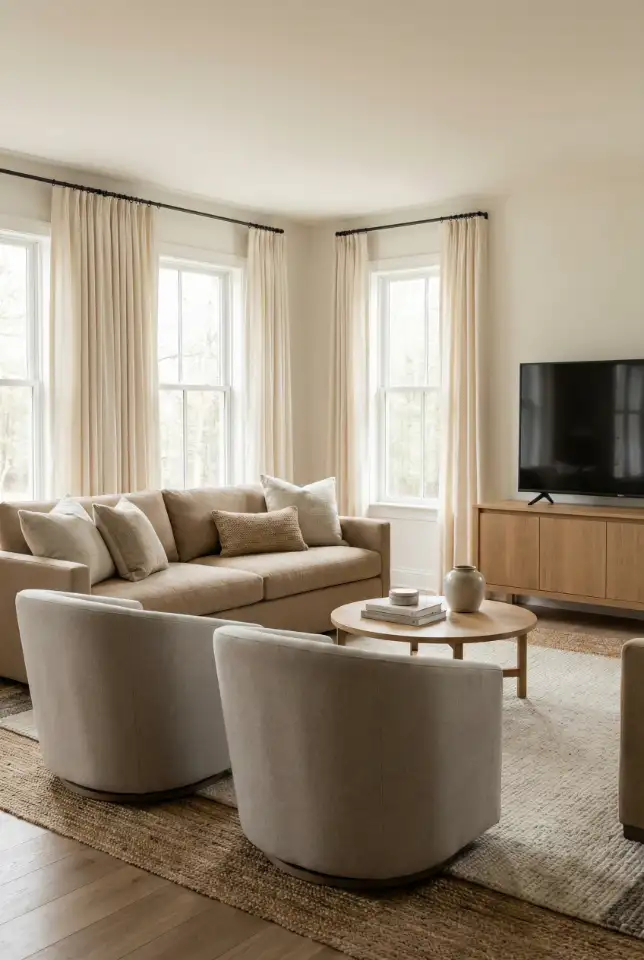
Transitional style is the easiest way to make a family room feel updated without going overly modern. Use warm neutrals, soft curves, and a mix of classic and current pieces—like a tailored sofa with modern swivel chairs. This approach feels calm and timeless, creating a comfortable room that won’t look outdated in a couple of years. 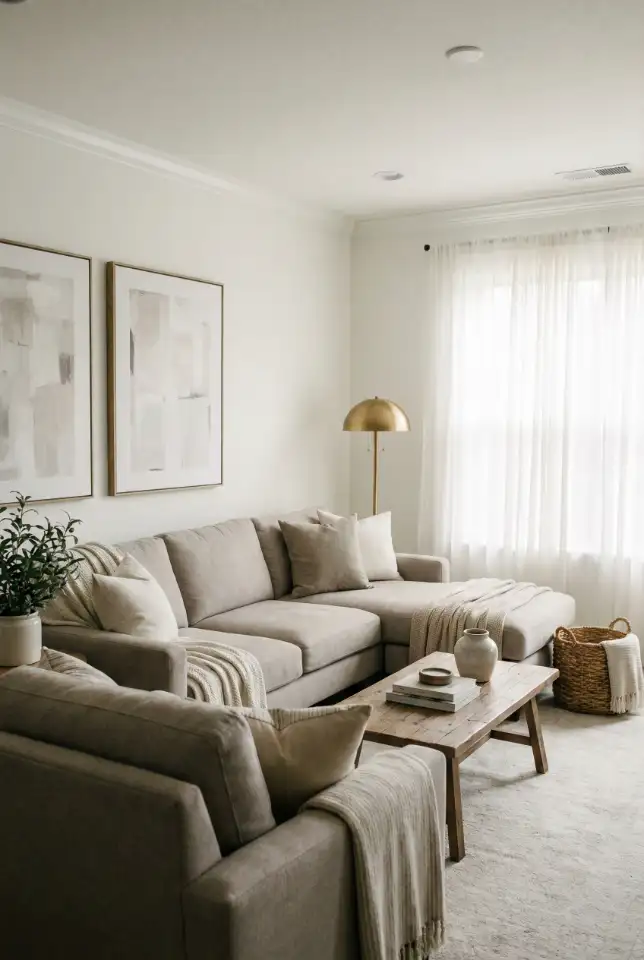
Practical insight: Transitional rooms look best when you limit strong contrasts. Instead of harsh black-and-white, choose softer variations—warm whites, creamy beiges, and gentle wood tones. This keeps the room feeling inviting and naturally “pulled together” without effort.
16. Small Space Family Room With Compact Media Wall
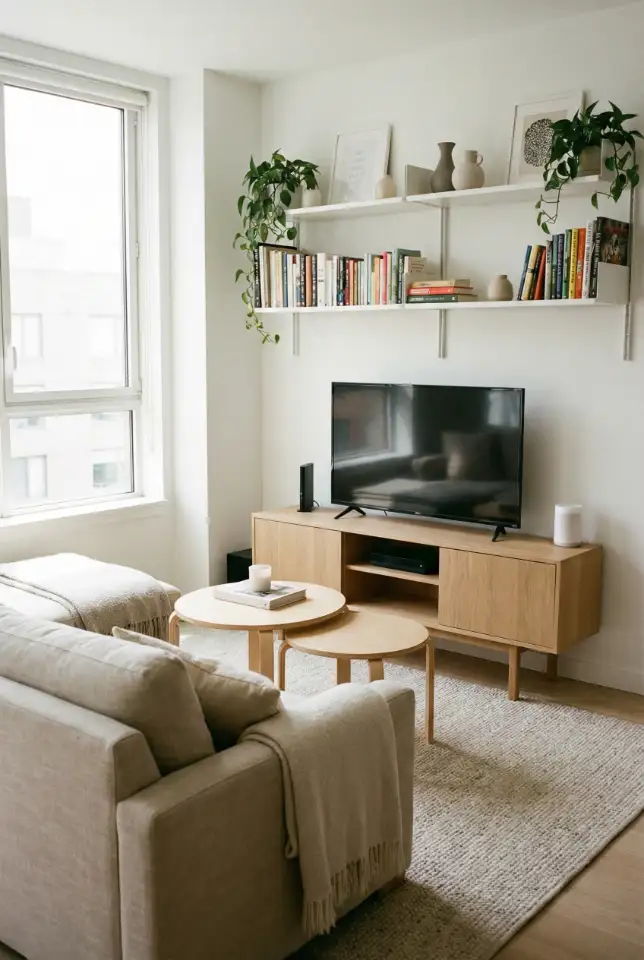
Designing for small spaces means every inch matters—especially around the TV. A compact media wall with shallow cabinets keeps the TV streamlined and avoids bulky furniture. Choose a loveseat-size sectional or apartment sofa, add a nesting coffee table, and stick to light neutral colors so the room feels bigger, brighter, and more breathable. 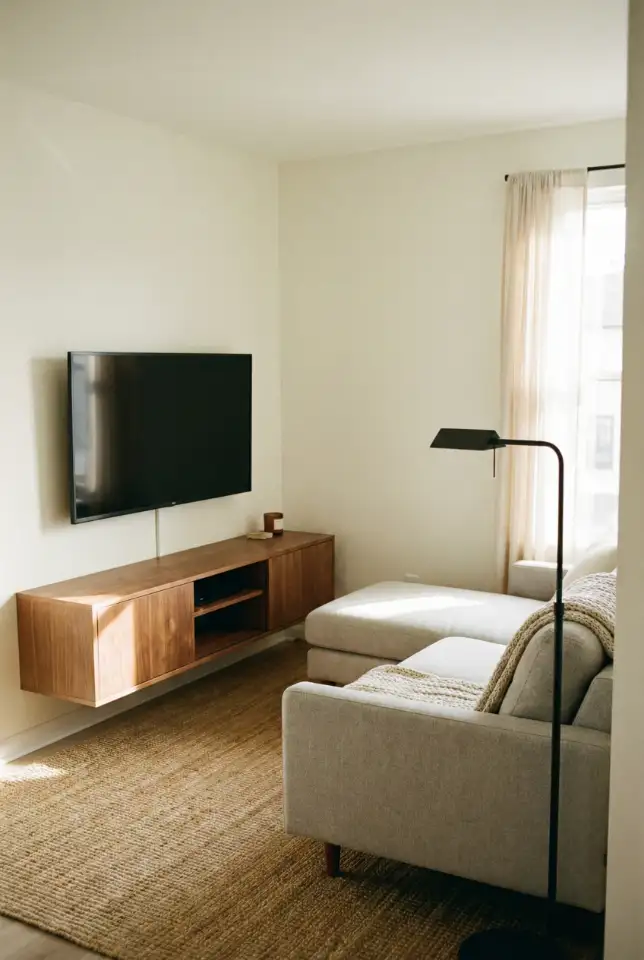
Common mistakes and how to avoid them: In small family rooms, people often choose oversized sectionals because they look cozy online. The result is cramped walkways and awkward layouts. Leave at least 30 inches of clearance in high-traffic paths so the room feels comfortable, not crowded.
17. Modern Minimalist Family Room With One Bold Feature
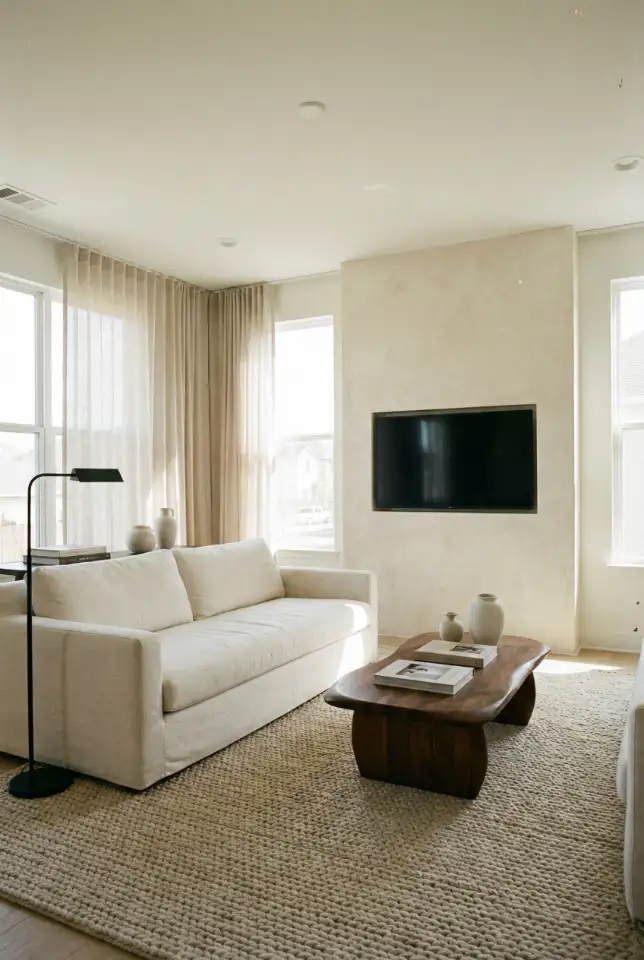
This minimalist look works when the room stays calm—but you add one strong statement feature. Try a textured plaster wall behind the TV, dramatic lighting, or a sculptural coffee table. Keeping the rest of the space simple (with a neutral sofa, a clean rug, and minimal decor) gives the room an intentional, modern feel while letting the detail stand out. 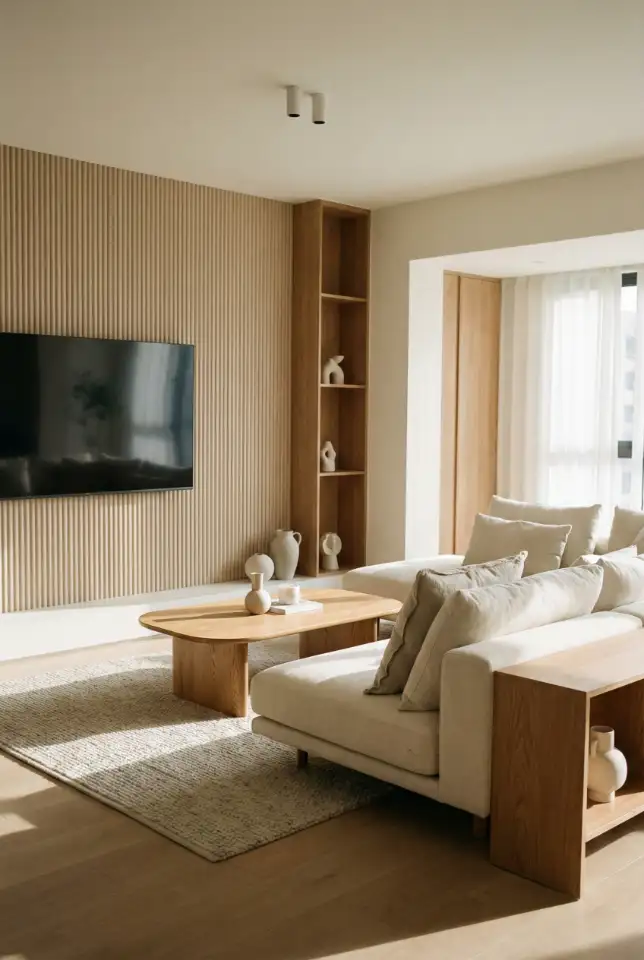
Budget/price angle: Designer statements can be achieved without using high-end materials. Plywood, slatted panels, and even a simple wood-slat feature wall can have eye-catching effects for much less than architectural custom finishes. Stick-on panels, DIY limewash paint, and wood slats can look like architectural finishes.
18. Japandi-Inspired Family Room With Low Seating
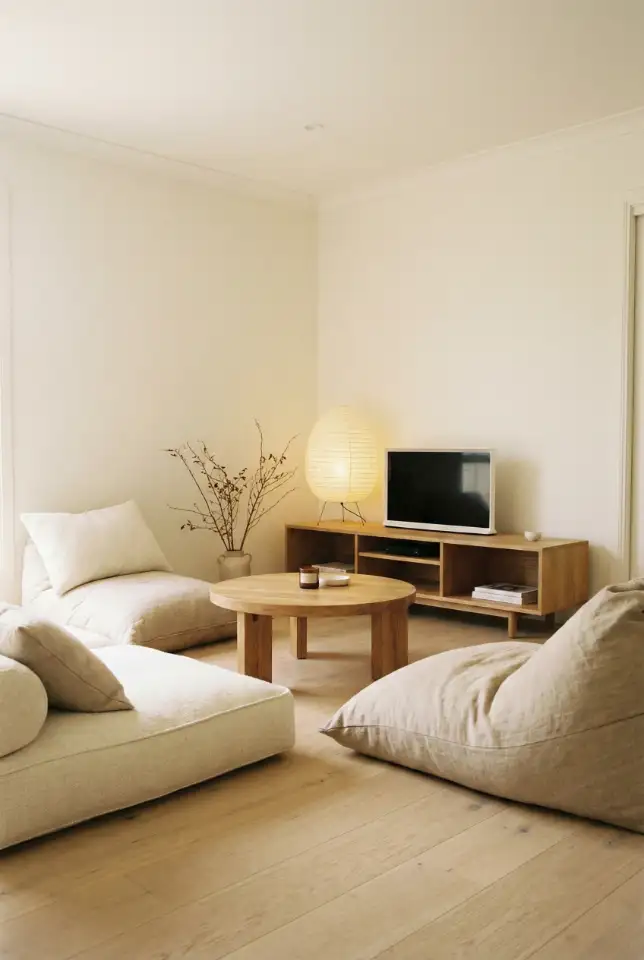
If you want that calm, curated vibe, Japandi design makes a family room feel peaceful and grounded. Low seating, soft fabrics, and warm wood create a room that’s cozy without being cluttered. Add a low-profile media console and a simple neutral rug to keep the space balanced. This is a great approach for families who crave quiet visual energy at home. 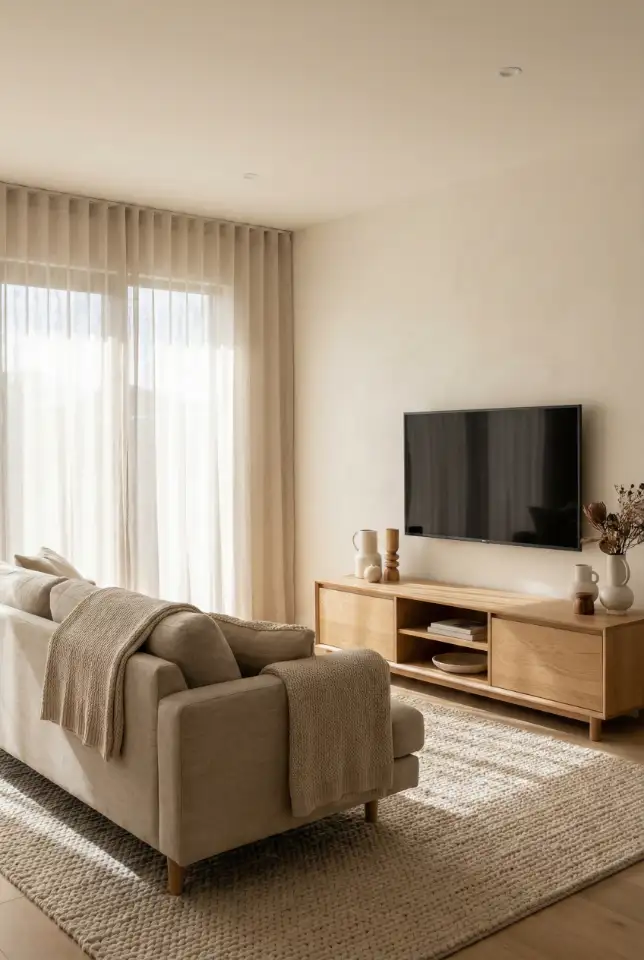
Expert-style commentary: Japandi rooms succeed when every object earns its place. Designers often suggest using “less but ””better”—higher-quality materials, fewer accessories, and a focus on texture. The room feels expensive not because it’s filled, but because it’s edited.
19. Cozy Eclectic Family Room With Vintage Touches
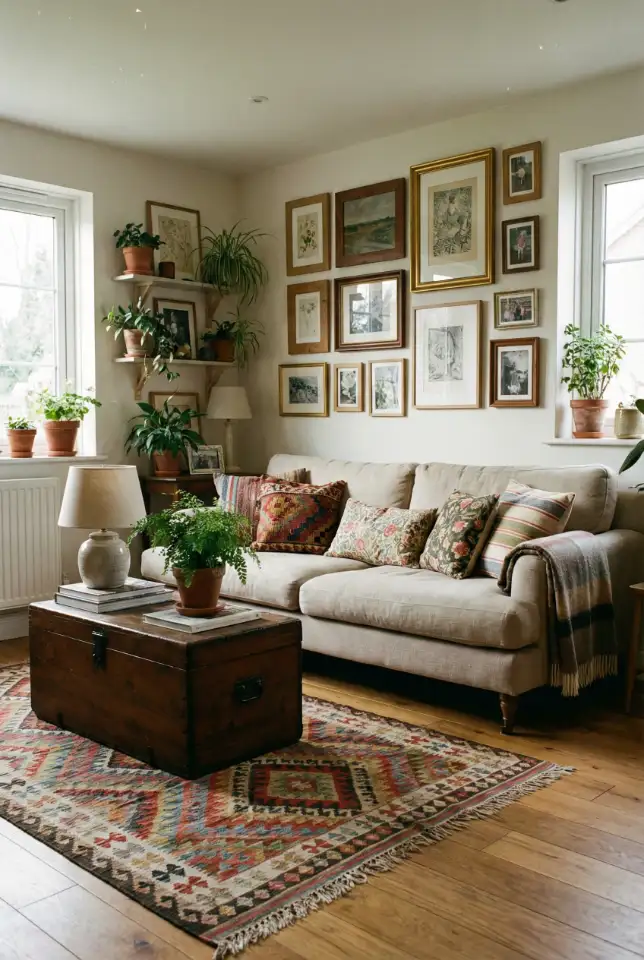
An eclectic family room can still be deeply cozy when you blend modern comfort with vintage character. Start with a neutral sofa or sectional, then add one standout vintage piece, like an antique trunk coffee table or retro armchair. Use warm, cozy textiles and add a curated piece of art and a rug with personality to add warmth and character to the space. 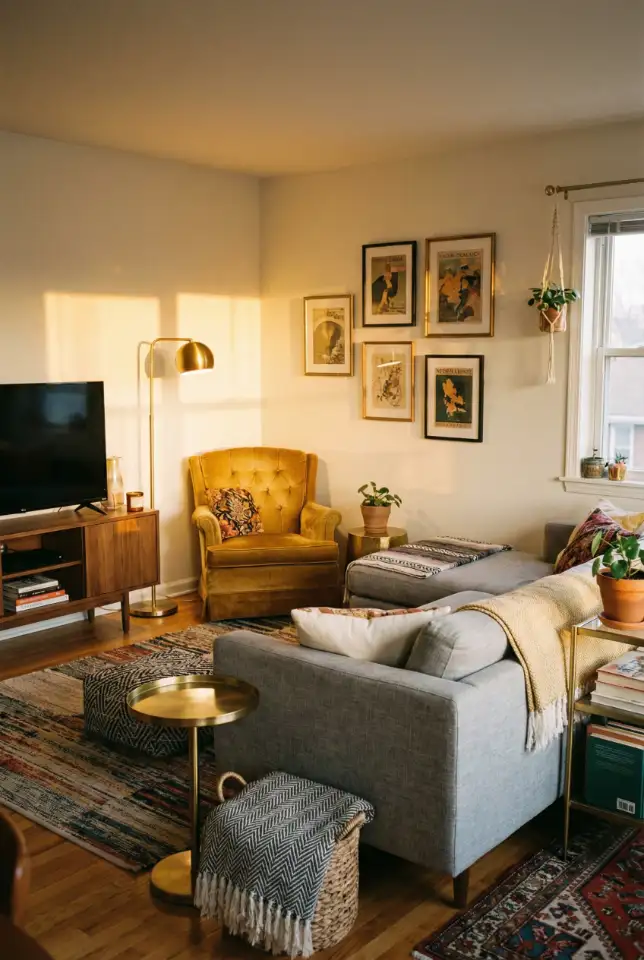
Micro anecdote: Vintage elements have a way of making rooms feel instantly more authentic, as a friend once told me her family room didn’t feel “right” until she added one inherited piece, and suddenly the space felt more personal, and guests always gravitated towards the worn leather chair from her grandfather.
20. Built-In Media Wall With Hidden Gaming Storage
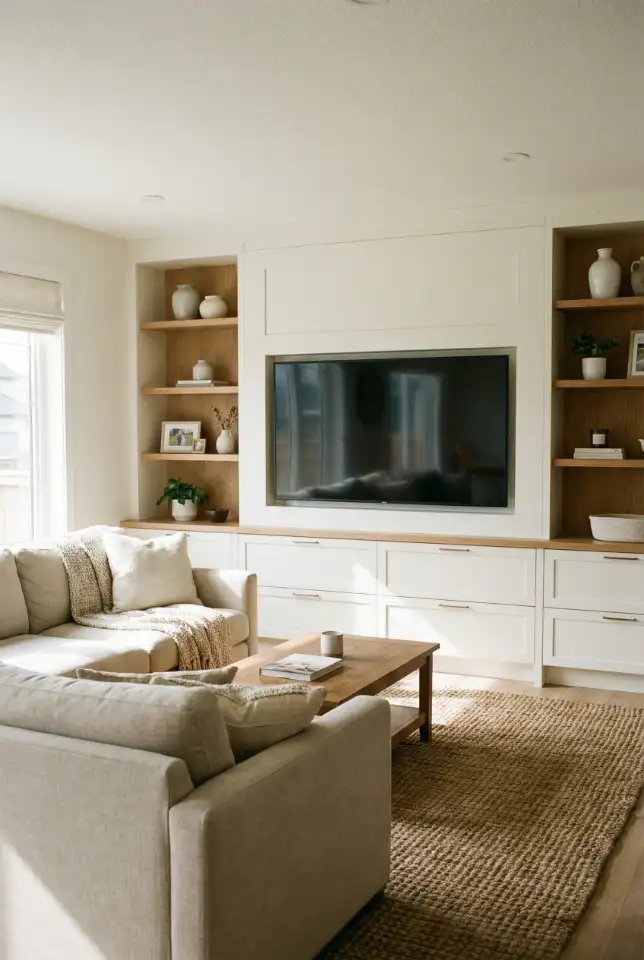
For 2026, the smartest family rooms include ideas with built-in media wall storage designed for modern life—especially gaming consoles, remotes, and chargers. Keep the front clean with closed cabinetry, and create one open niche for styling so it doesn’t feel too utilitarian. This approach works beautifully in both modern and transitional homes, keeping tech from becoming visual clutter. 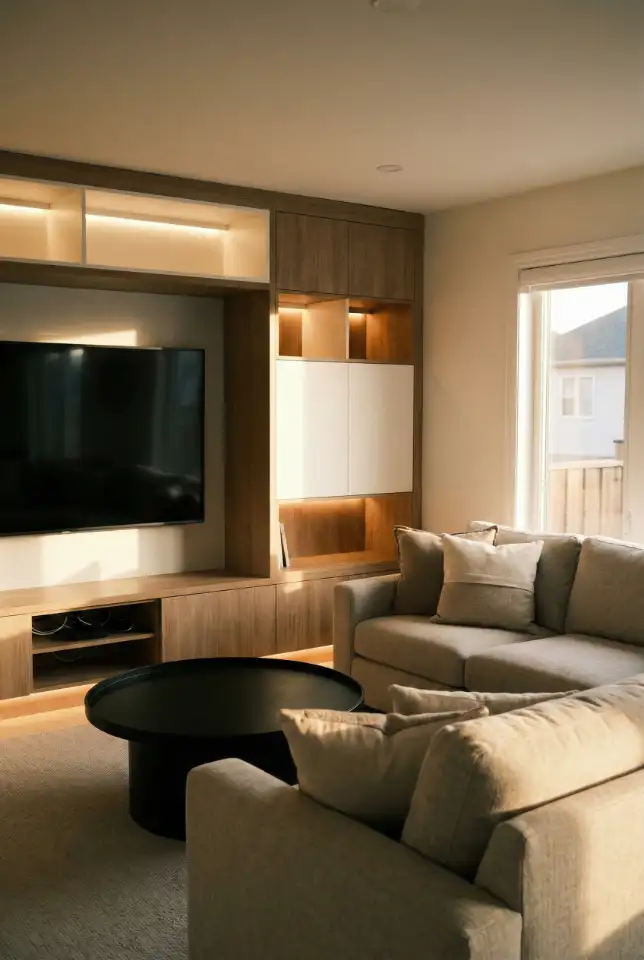
Where it works best: This design is perfect for households where the family room is the default hangout—especially with kids or teens. The built-in storage keeps controllers, headphones, and movie-night clutter out of sight, so the room can look calm even when life is busy.
21. Cozy Fireplace Corner With Two-Seat Conversation Nook
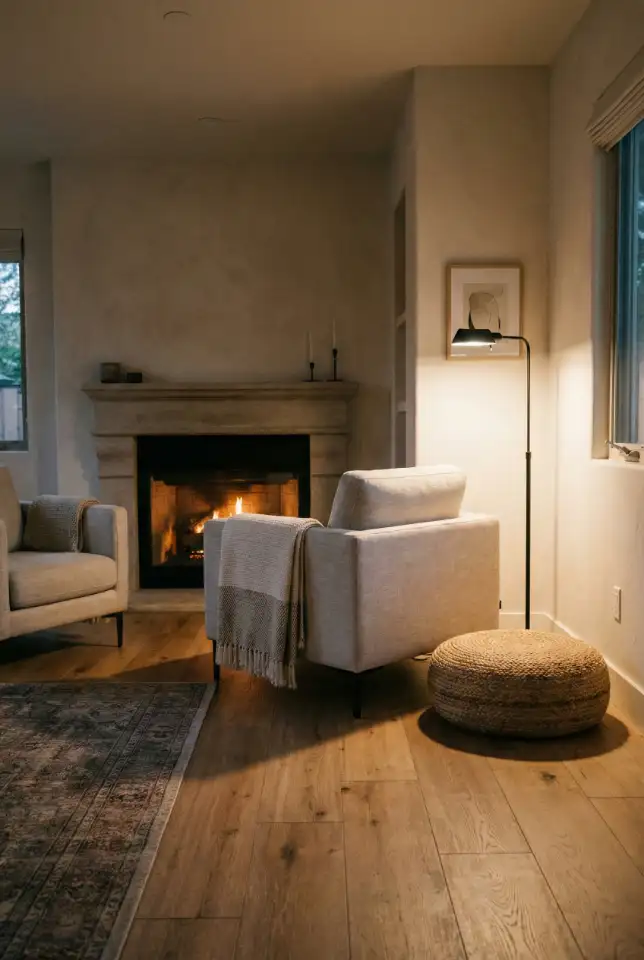
A cozy family room doesn’t always need a giant setup—sometimes a fireplace corner becomes the most-used spot in the house. Build a compact nook with two comfortable chairs angled toward the fireplace, plus a small side table for coffee and books. This works especially well in small spaces, adding warmth and purpose without crowding the room. 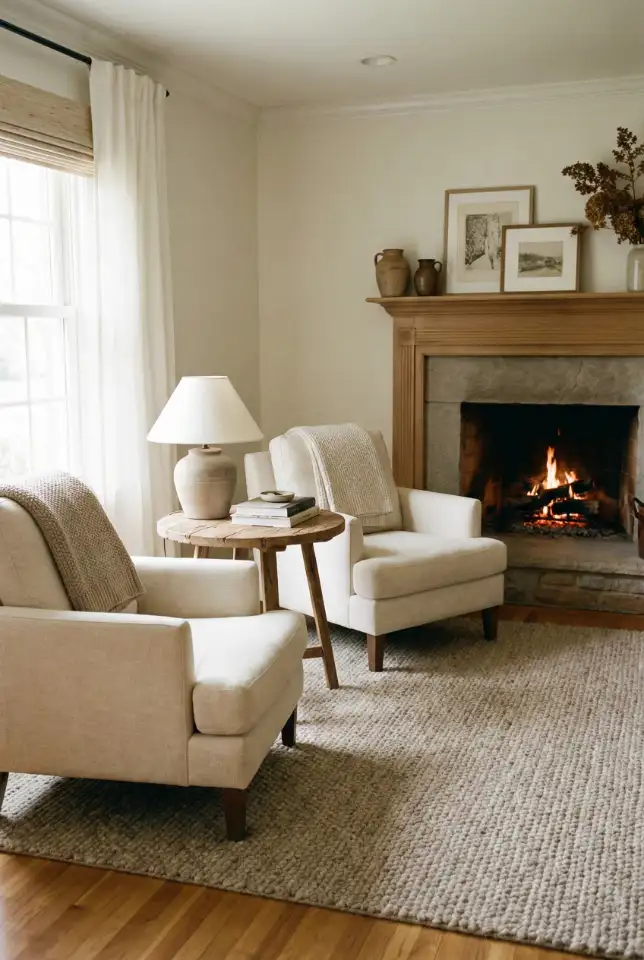
Real homeowner behavior: In many homes, people naturally drift to the warmest “landing zone”—the spot where you can sit for five minutes that turns into an hour. Give this nook an easy place to set a mug, add one soft light source, and it becomes the default hangout without needing a full room redesign.
Whether your style leans cozy farmhouse, sleek modern, calm Japandi, or bold eclectic, the best family room designs for 2026 all share one thing: they’re made for real life. Focus on comfort first, then add smart storage, warm lighting, and personal details that make the space feel like yours. If you try one of these ideas (or already have a favorite setup at home), share it in the comments—I’d love to hear what your family room looks like and what you want to improve next.