Garden Design 2026: 48 Fresh Layout Ideas For Modern Backyards, Front Yards, And Tiny Outdoor Spaces

Garden design in 2026 is shaping up to be less about perfection and more about personality, comfort, and connection to nature. Across Pinterest, Americans are saving outdoor spaces that feel livable, layered, and thoughtfully planned—whether that’s a tiny patio retreat or a lush backyard escape. This year’s trends blend structure with softness, global influences with local practicality, and beauty with everyday function. Below, you’ll discover ten inspiring garden ideas that reflect how real homes are evolving outdoors.
1. Modern Layered Backyard Retreat
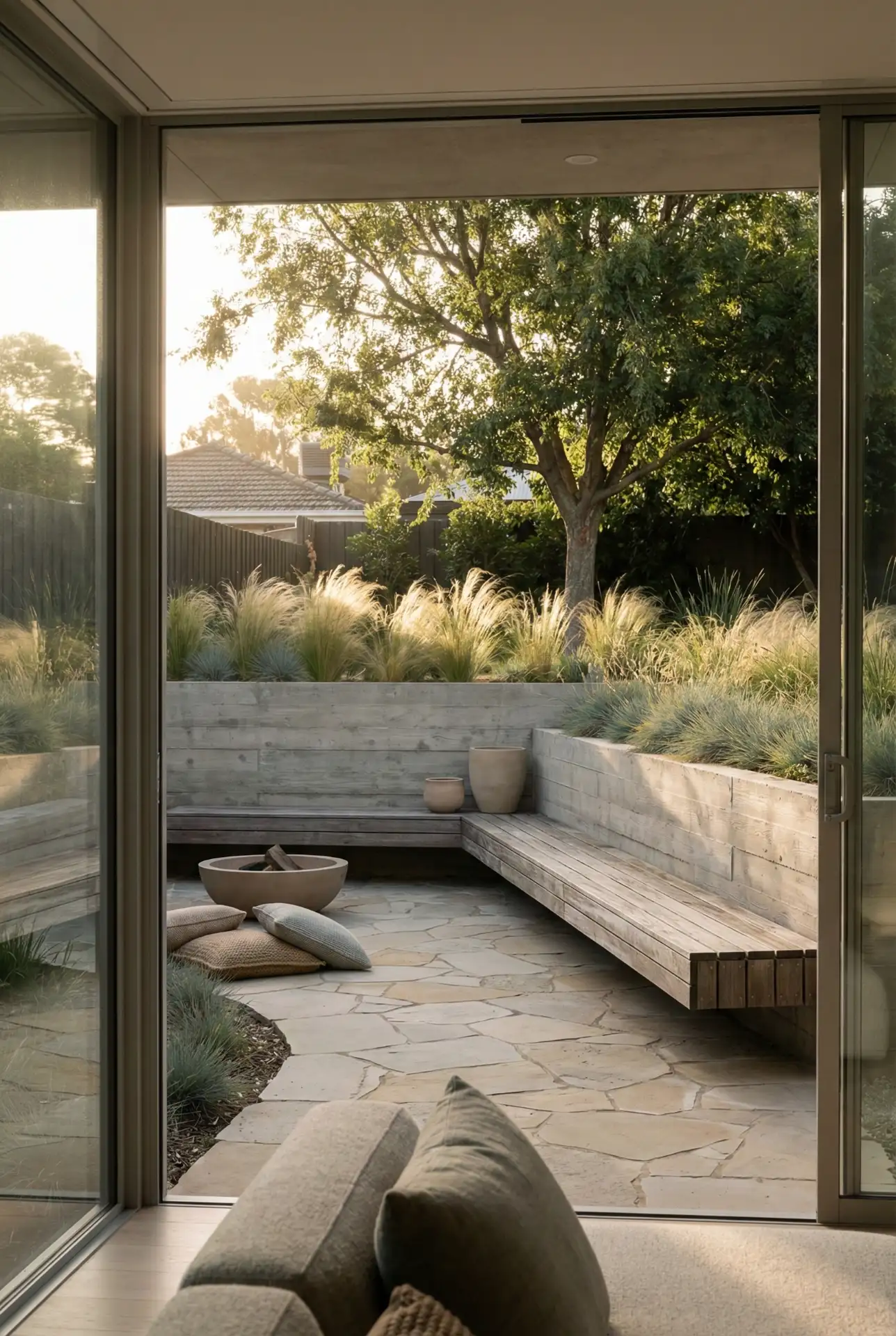
A modern layered retreat uses clean lines, structured planting beds, and thoughtful layout planning to turn a backyard into an outdoor living extension. In modern garden design 2026, contrasting textures like concrete pavers, ornamental grasses, and soft ground covers create visual flow without feeling rigid. Low seating walls, subtle lighting, and tiered greenery add depth while keeping maintenance manageable for busy homeowners who still want a polished outdoor space. 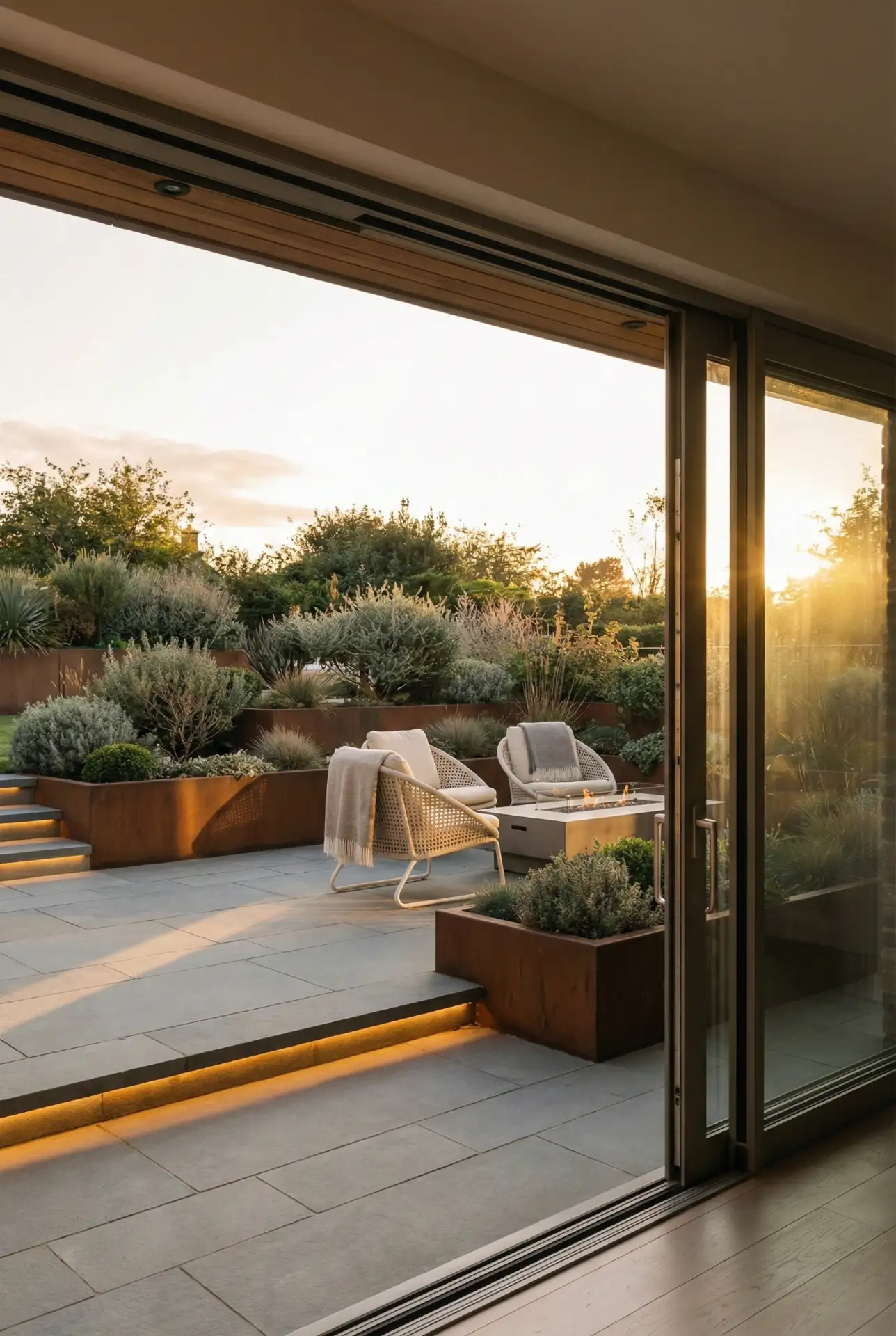
For homeowners exploring this look, practical planning makes all the difference. Start by sketching zones for lounging, walking paths, and planting before choosing materials. Keeping pathways slightly curved softens the structure and makes the space feel larger. Mixing evergreen plants with seasonal blooms ensures the retreat stays attractive year-round without constant replanting.
2. Welcoming Front Yard Garden Paths
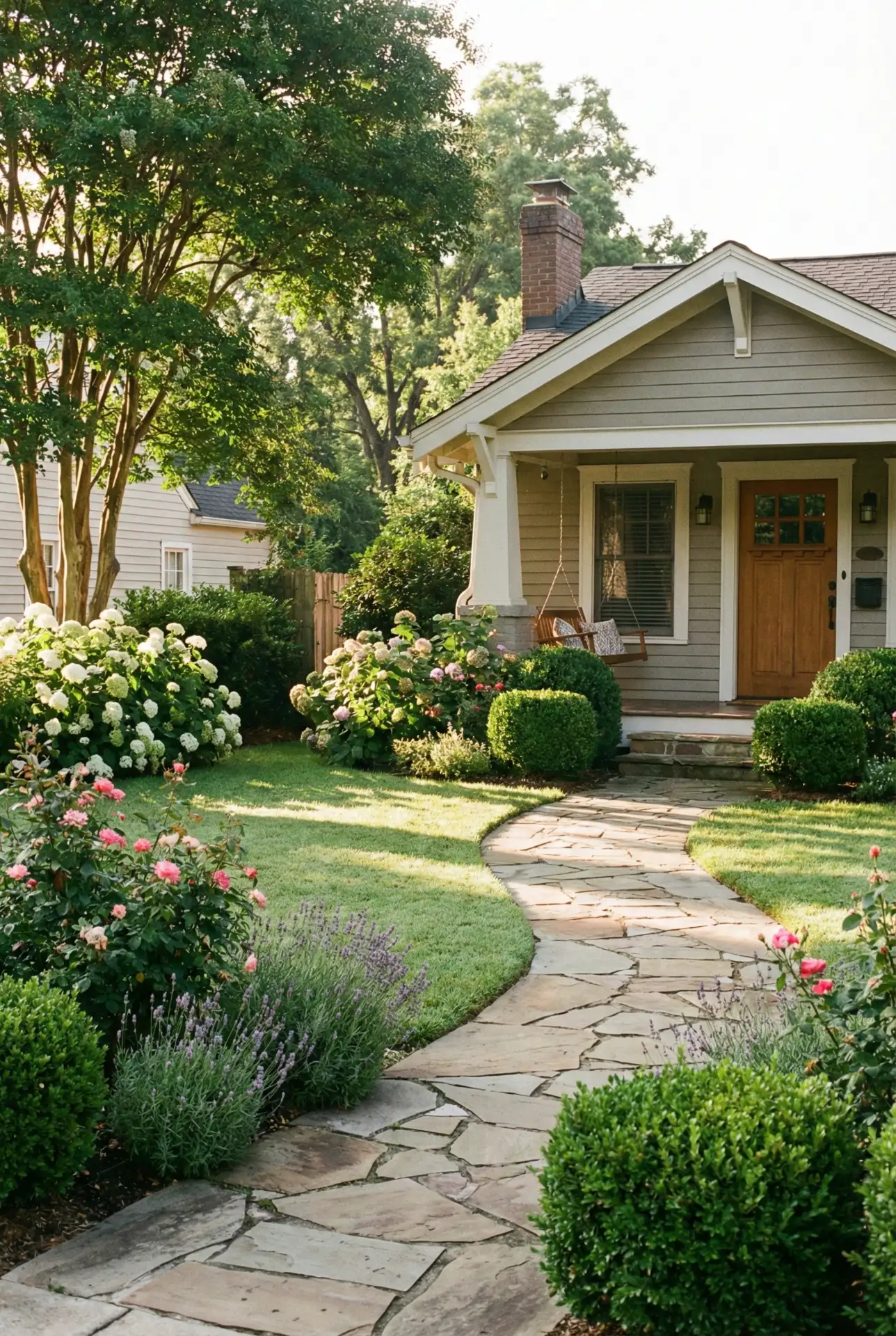
In 2026, front yard gardens are warm invites to the home with charm and function, giving thoughtful ideas and landscaping flow. A well-designed front yard path lined with flowering borders, soft shrubs, and natural stone invites visitors while boosting curb appeal. Curved walkways, layered plant heights, and subtle lighting give the garden personality without overwhelming the entry. 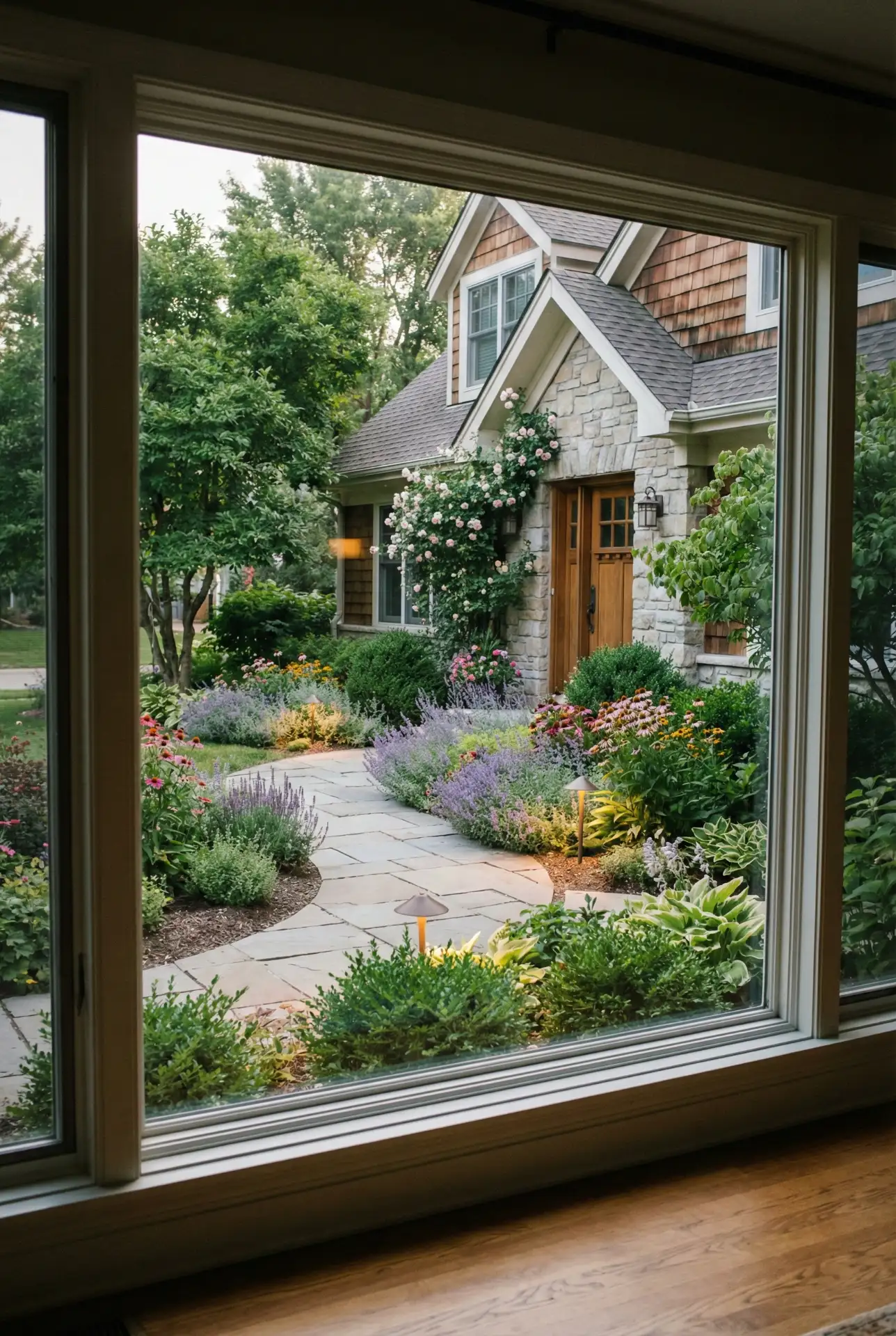
In many of the American suburbs, a welcoming layout of the garden path encourages connection and pride of ownership. Neighbors on garden paths chat, children bike ride through blooming borders, and seasonal decor synchronizes with the planting. A layout with welcoming paths creates social spaces instead of lawn zones.
3. Tranquil Japanese Zen Courtyard
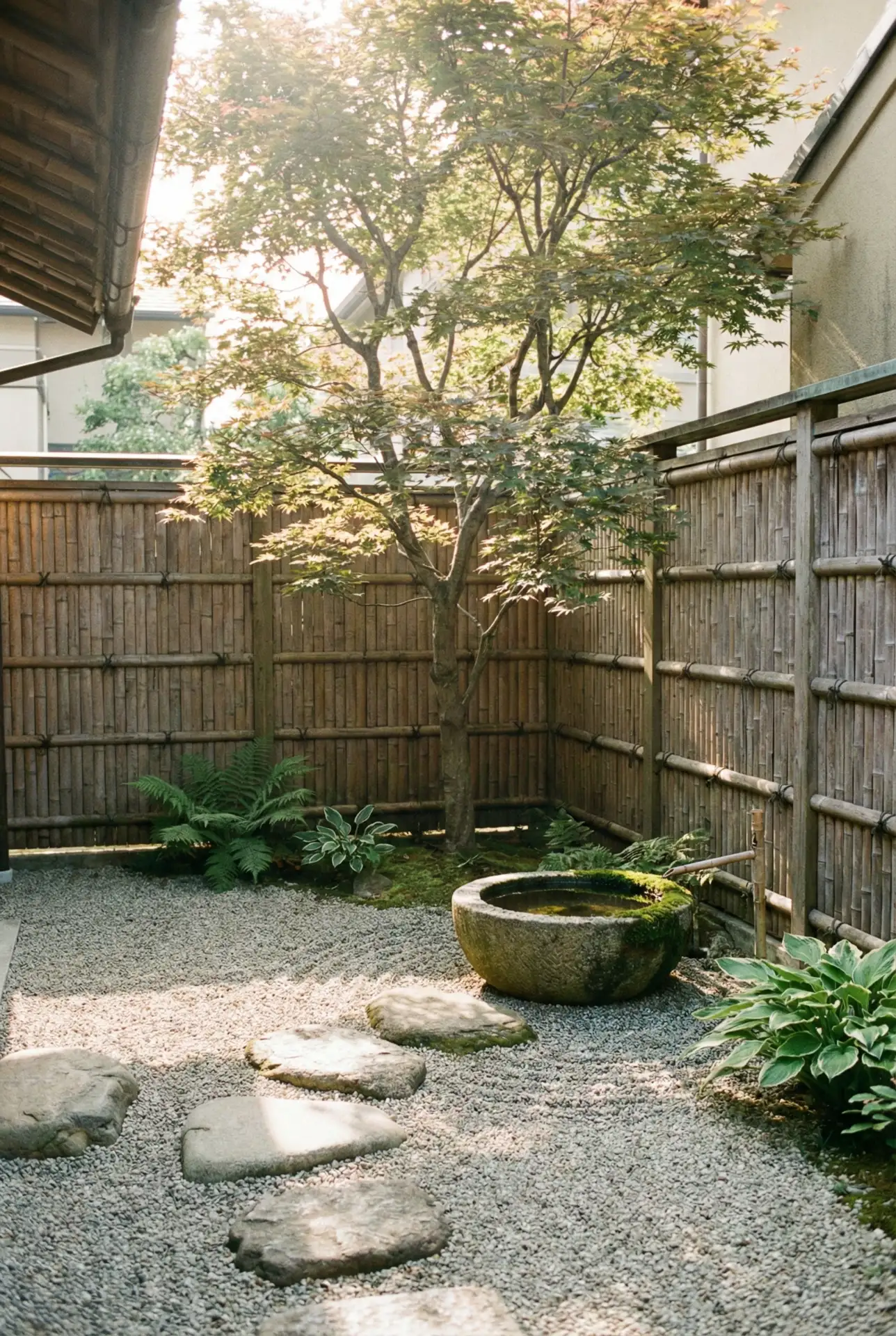
A Japanese-inspired Zen courtyard garden focuses on calm, balance, and intentional simplicity. Imagine curated micro landscapes consisting of stepping stones, gravel beds, bonsai-style trees, and bamboo touch points. Small urban homes benefit from design 2026. Optimistically positioned minimalist fountains or water bowls add gentle sound and moss and lower plants soften hardscape. 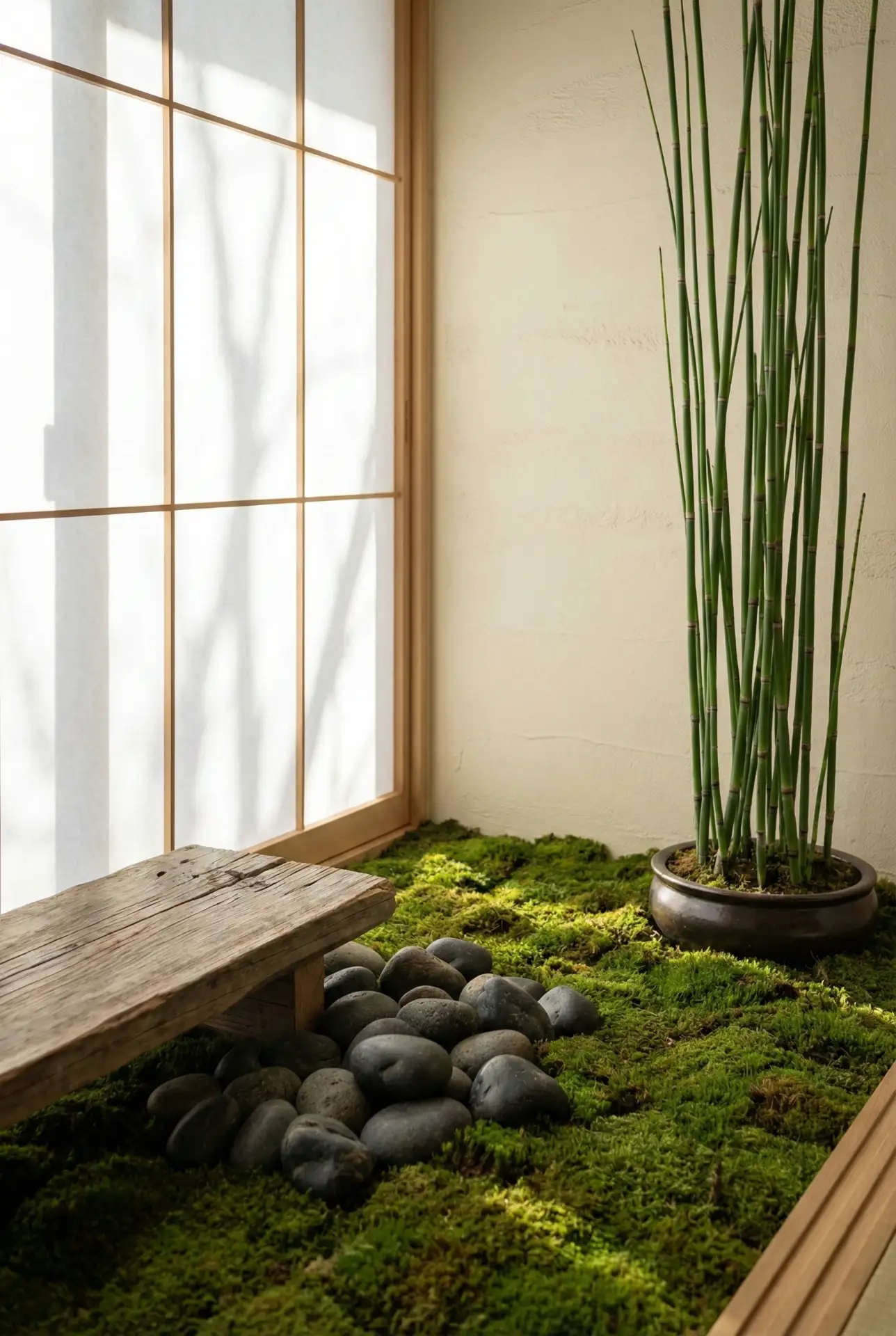
When I visited a friend, she was transforming a narrow side yard into a Zen courtyard. It instantly lowered everyone’s voice like entering a spa. She’d even sit there with coffee for ten quiet minutes. It was a ritual that made her whole home feel more peaceful.
4. Romantic Cottage Rose Garden
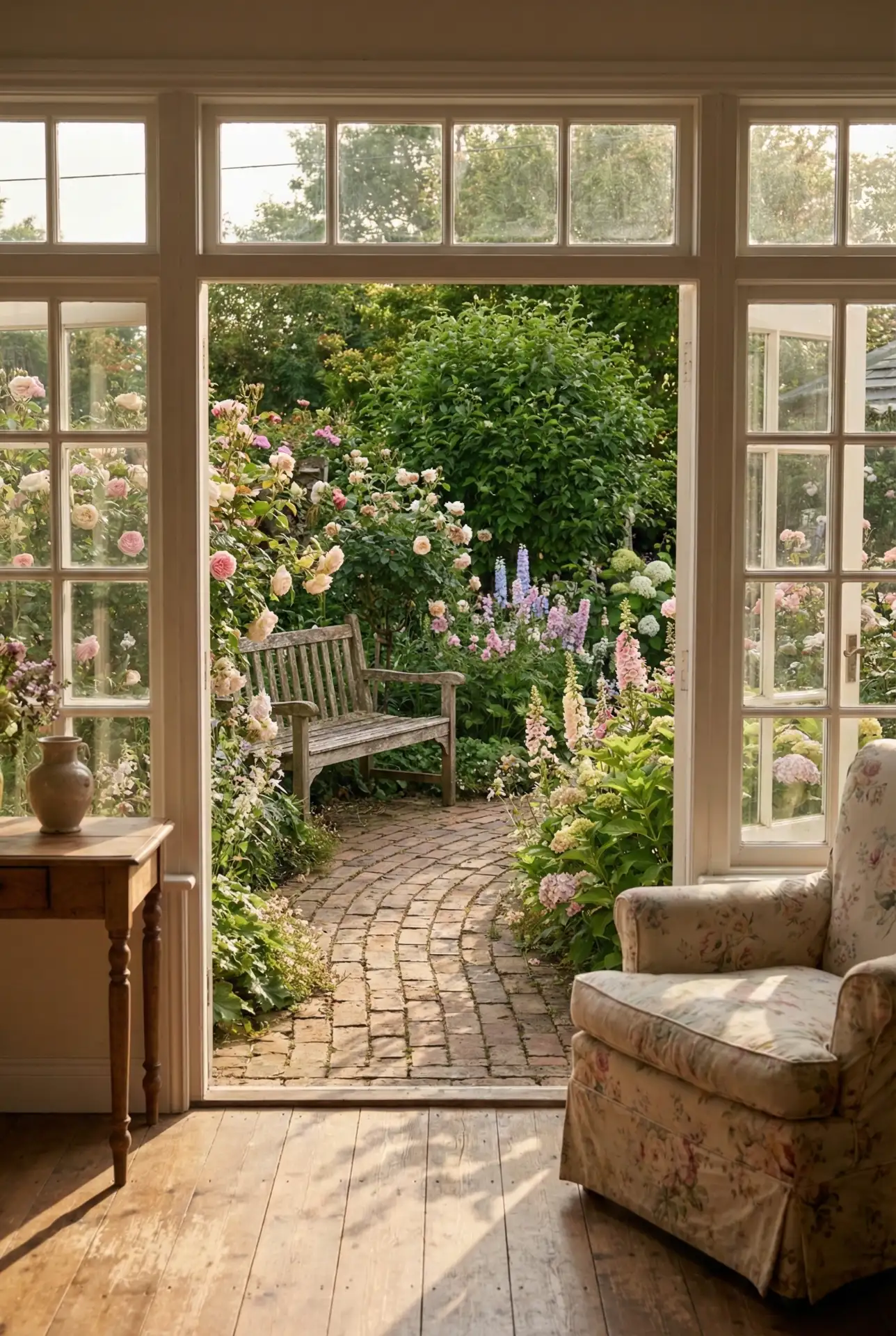
A blooming cottage garden filled with climbing rose bushes and soft French-style pathways brings storybook charm into modern landscapes. Design 2026 features vintage trellises, layered florals, curved brick borders, and overflowing color palettes. Peonies, and wildflowers with lavender create effortlessly lush beauty that feels un-manicured rather than overly manicured. 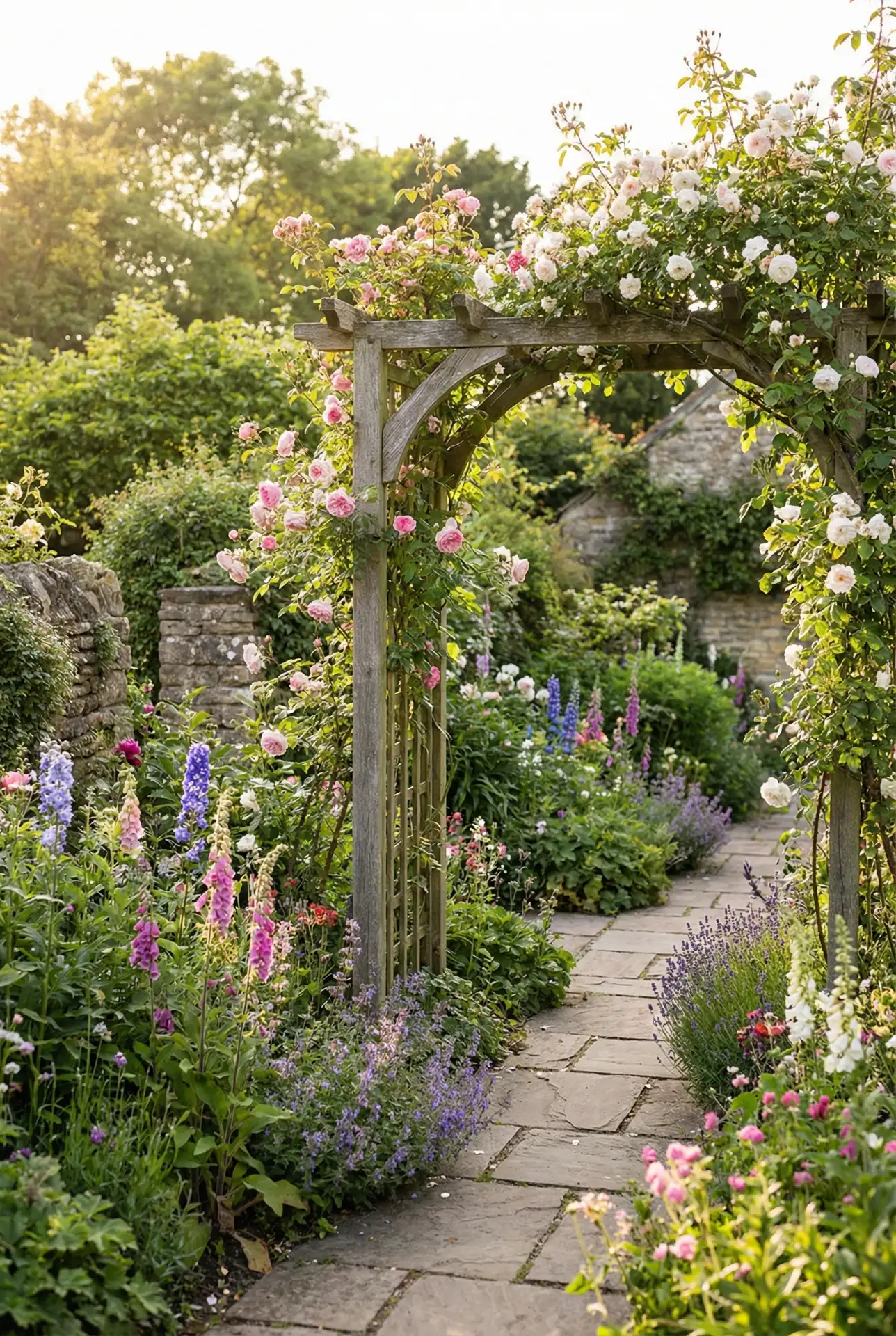
This style works best in moderate climates where roses thrive with regular sunlight and airflow. Suburban yards, farmhouse properties, and even spacious courtyards can support the layered planting approach. Giving roses room to climb vertically keeps the space feeling full without crowding ground-level blooms.
5. Lush Tropical Terrace Escape
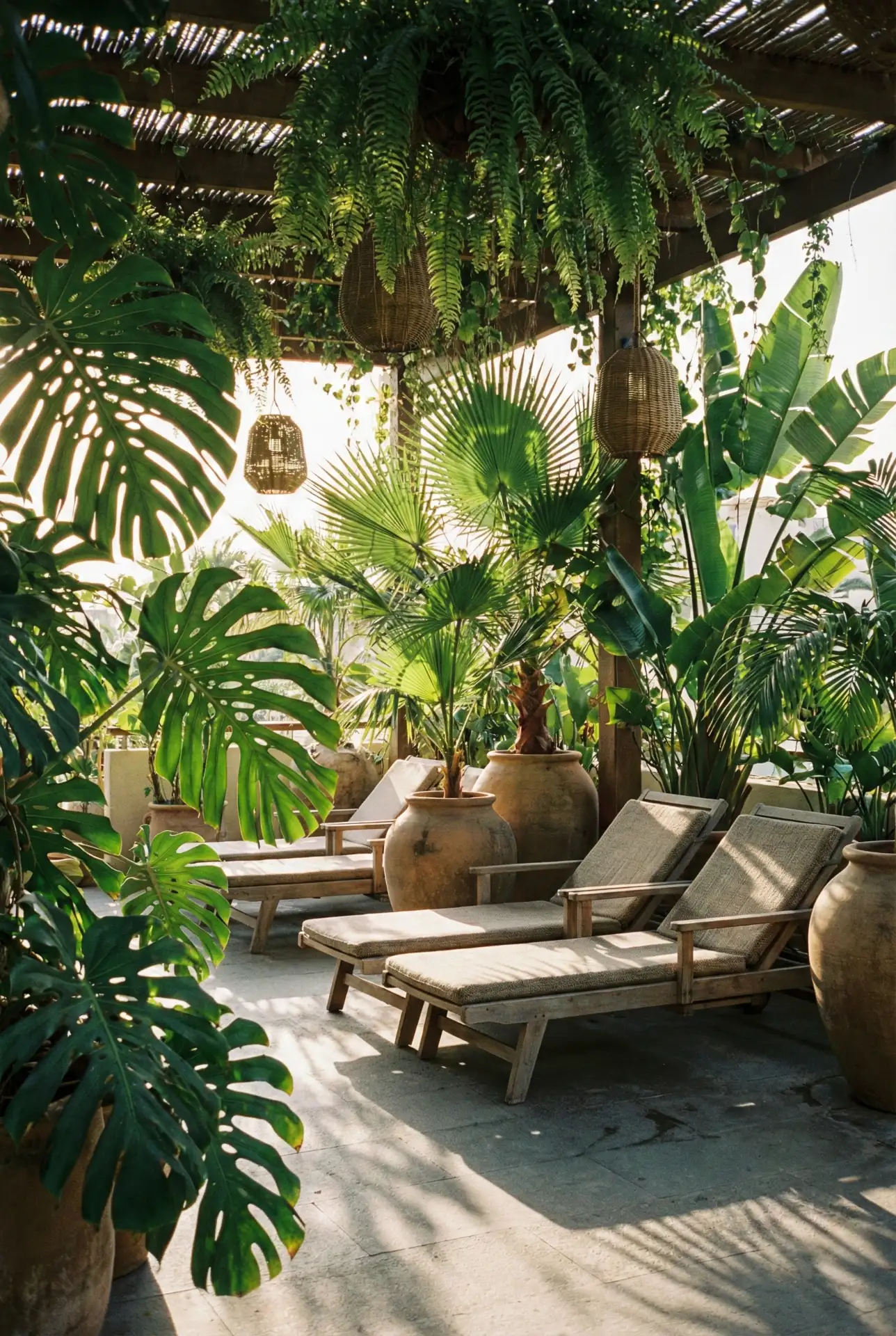
A tropical-inspired terrace transforms ordinary outdoor spaces into an everyday, lush, vacation-like retreat. The 2026 garden design trends embrace large leaves, various types of palms, rich colors of flowering plants, and relaxed elegance with natural wood furniture. When combined with layered planter designs and soft textiles, these tropical gardens feel even more expansive and immersive, even in small homes in the city. 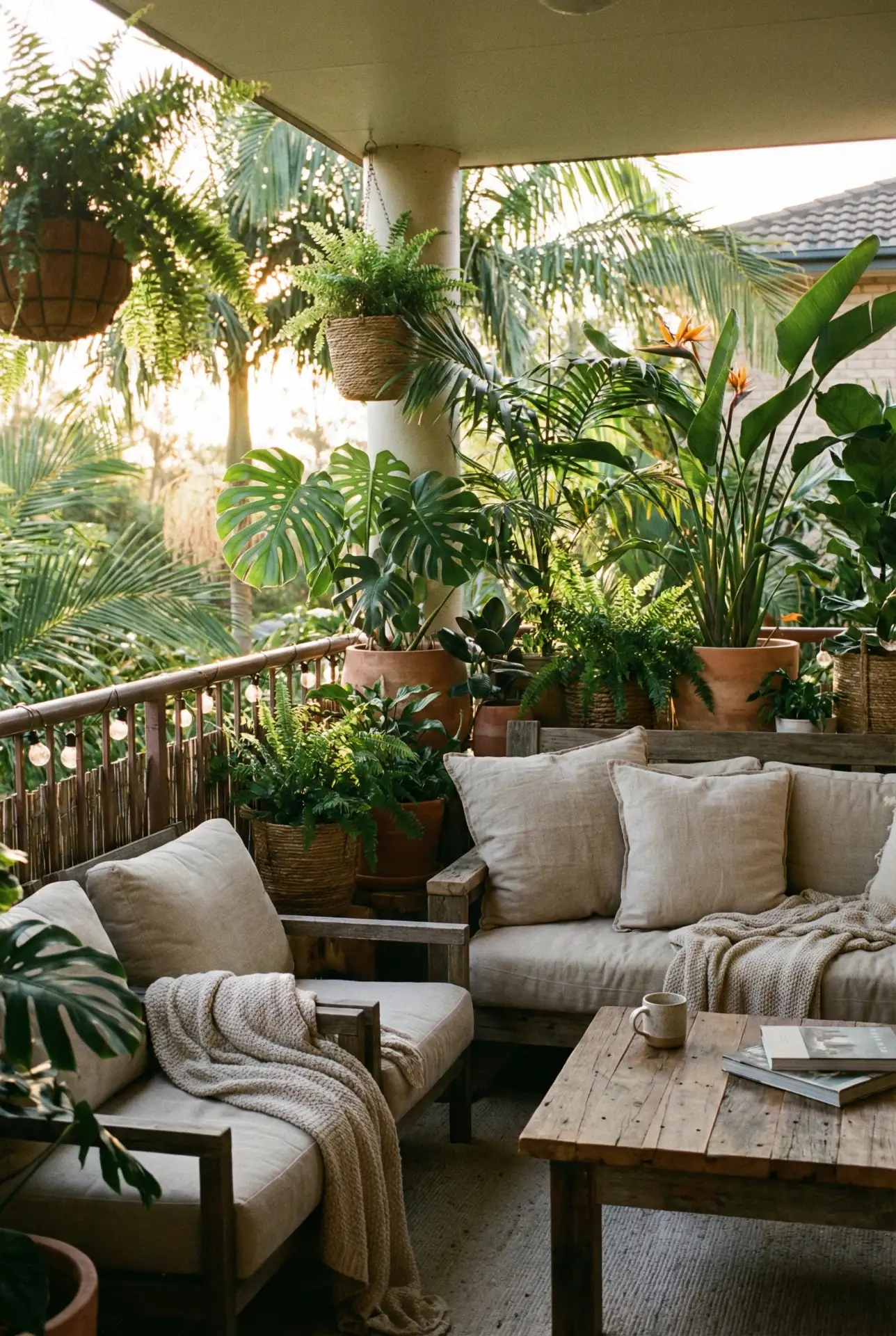
Landscape designers often recommend mixing plant heights to mimic natural rainforest layering. This design means tall palms anchor corners, medium-sized shrubs create fullness, and trailing plants soften the tops of railings. This approach not only appears more lush and full but also improves airflow and sunlight exposure to support healthy plant growth.
6. Tiny Vegetable Garden Plans That Work
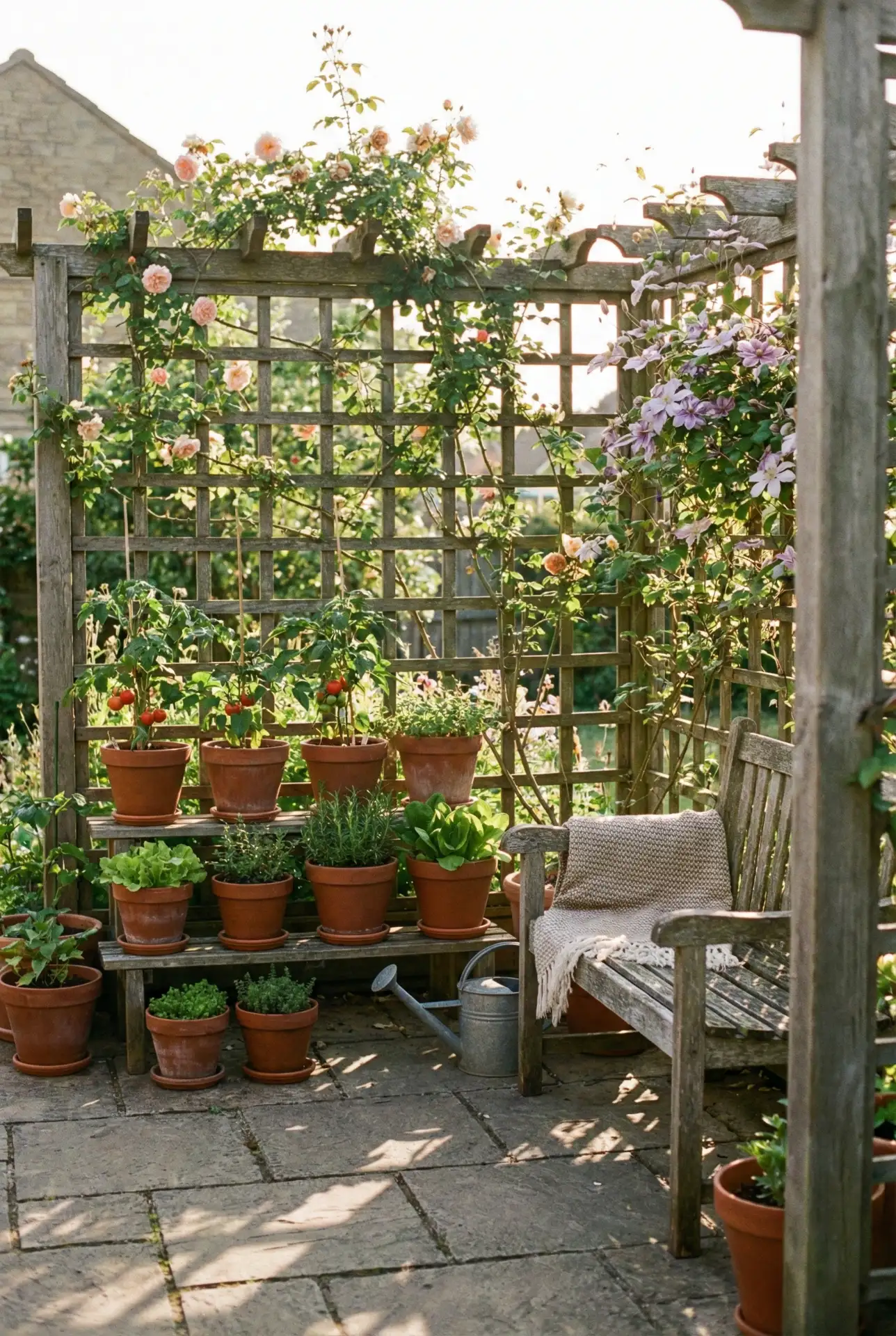
Smart plans for tiny spaces make growing a vegetable garden possible even on patios and balconies.
In garden design 2026, raised beds, vertical trellises, and compact containers help herbs, tomatoes, and greens flourish, even in small spaces. Careful planning and spacing of minor details can transform little corners into valuable, productive, edible landscapes. 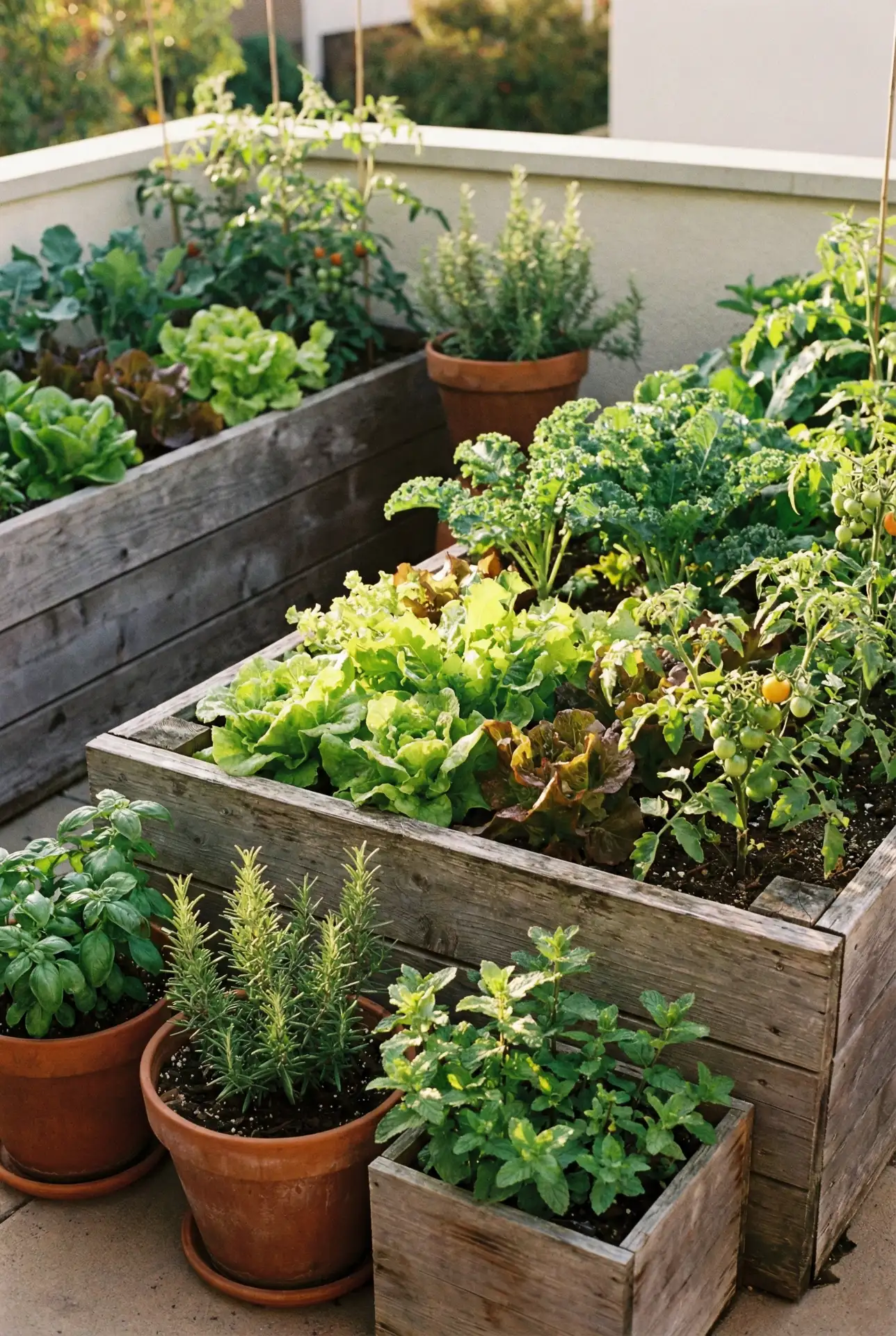
Budget-wise, many elevate their raised beds using reclaimed wood and do seed starts indoors. Gardening in pots allows for even greater control over costs and can be moved to find the sun and lessen costs. The investment can yield produce for months and months.
7. Mediterranean Roof Garden Oasis
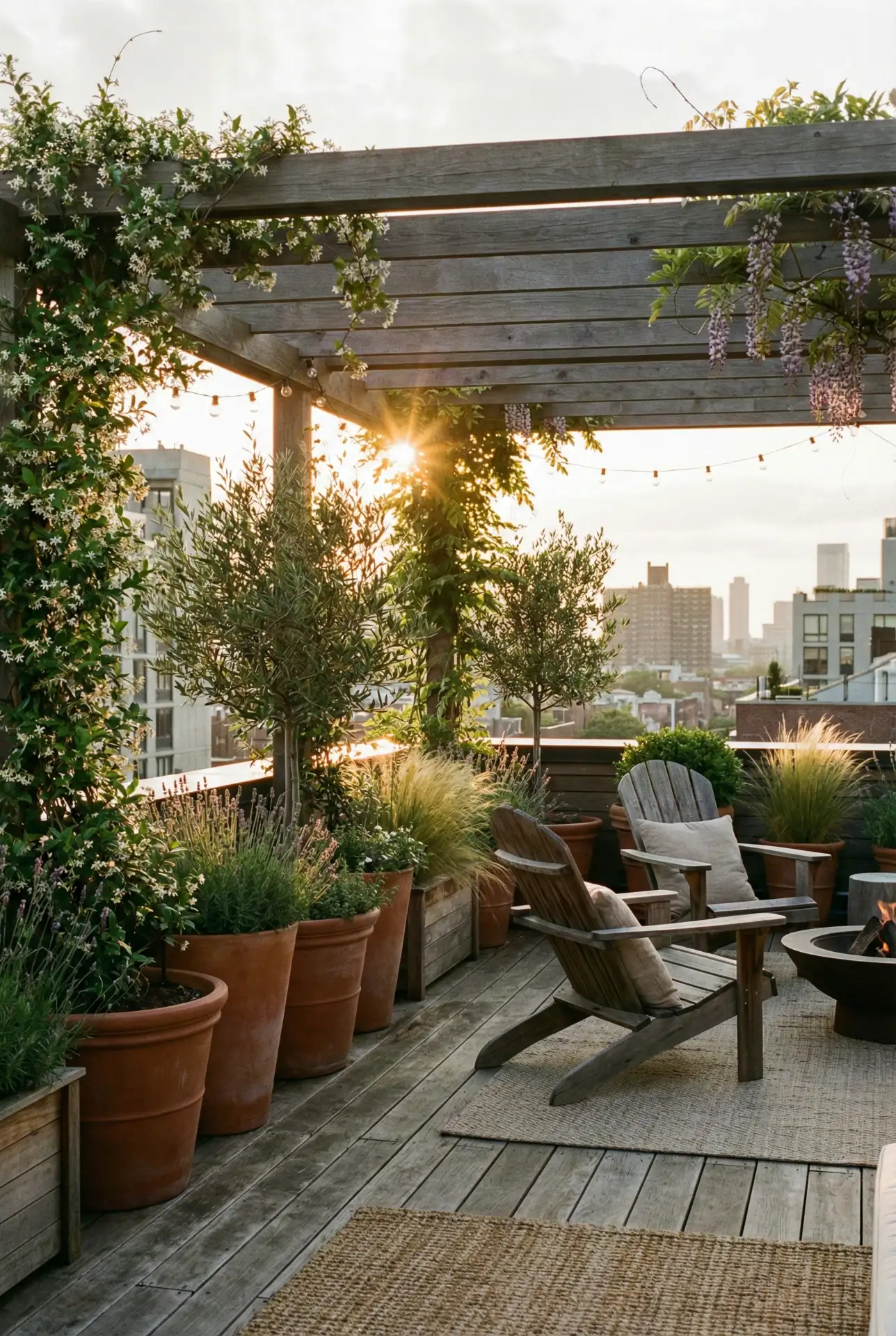
A Mediterranean-style Roof gardens bring sun-soaked charm to urban homes using terracotta pots, olive trees, stone textures, and climbing vines. Garden design in 2026 emphasizes drought-tolerant plants, warm earth tones, and relaxed seating for rooftop relaxation. Soft draping greenery creates privacy while keeping the space airy and bright. 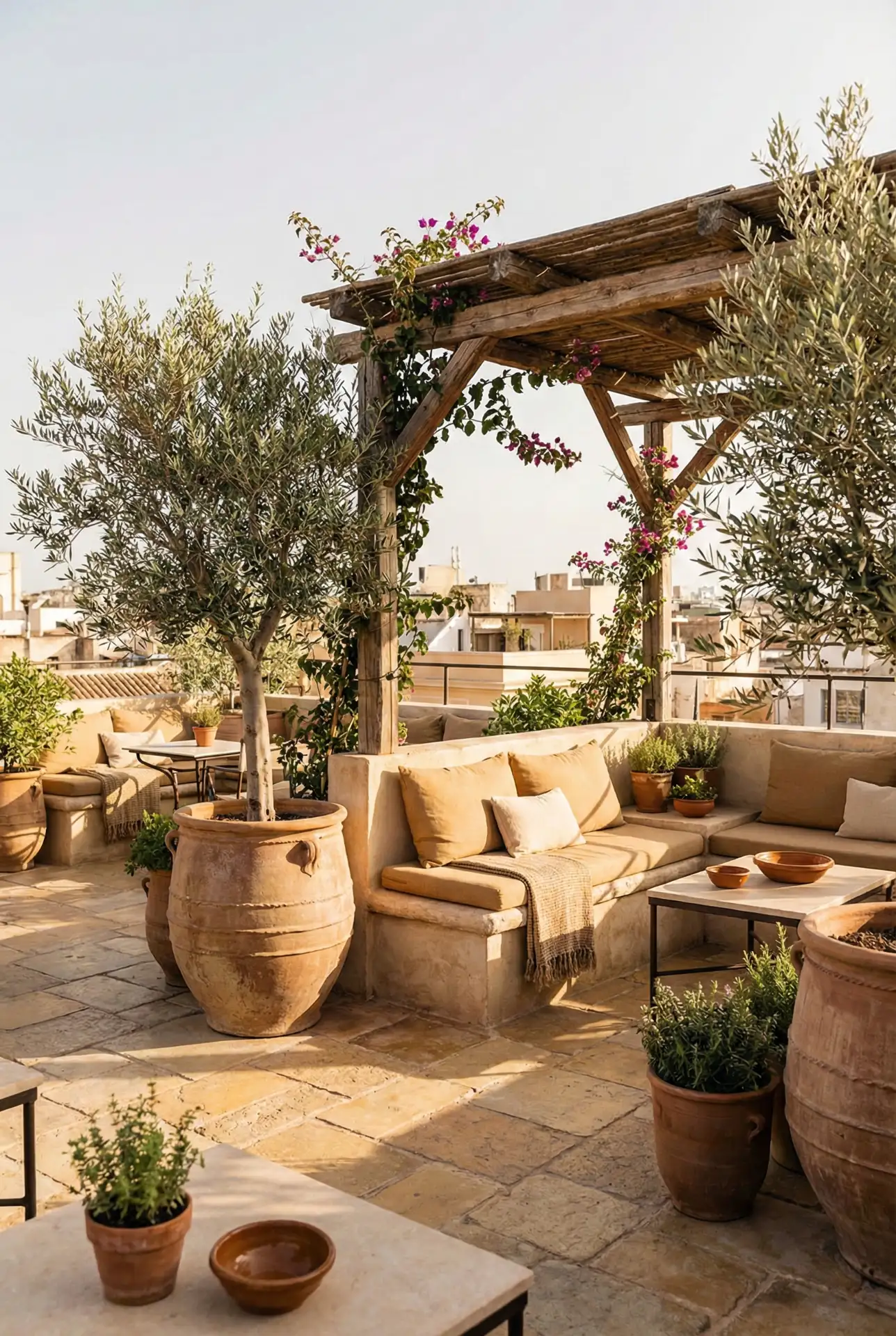
Many homeowners naturally use rooftop gardens as evening wind-down zones—sipping coffee at sunrise or unwinding after work. These spaces often replace indoor living rooms during warmer months, becoming social hubs for small gatherings and quiet personal moments alike.
8. Sculptural Succulent Modern Beds
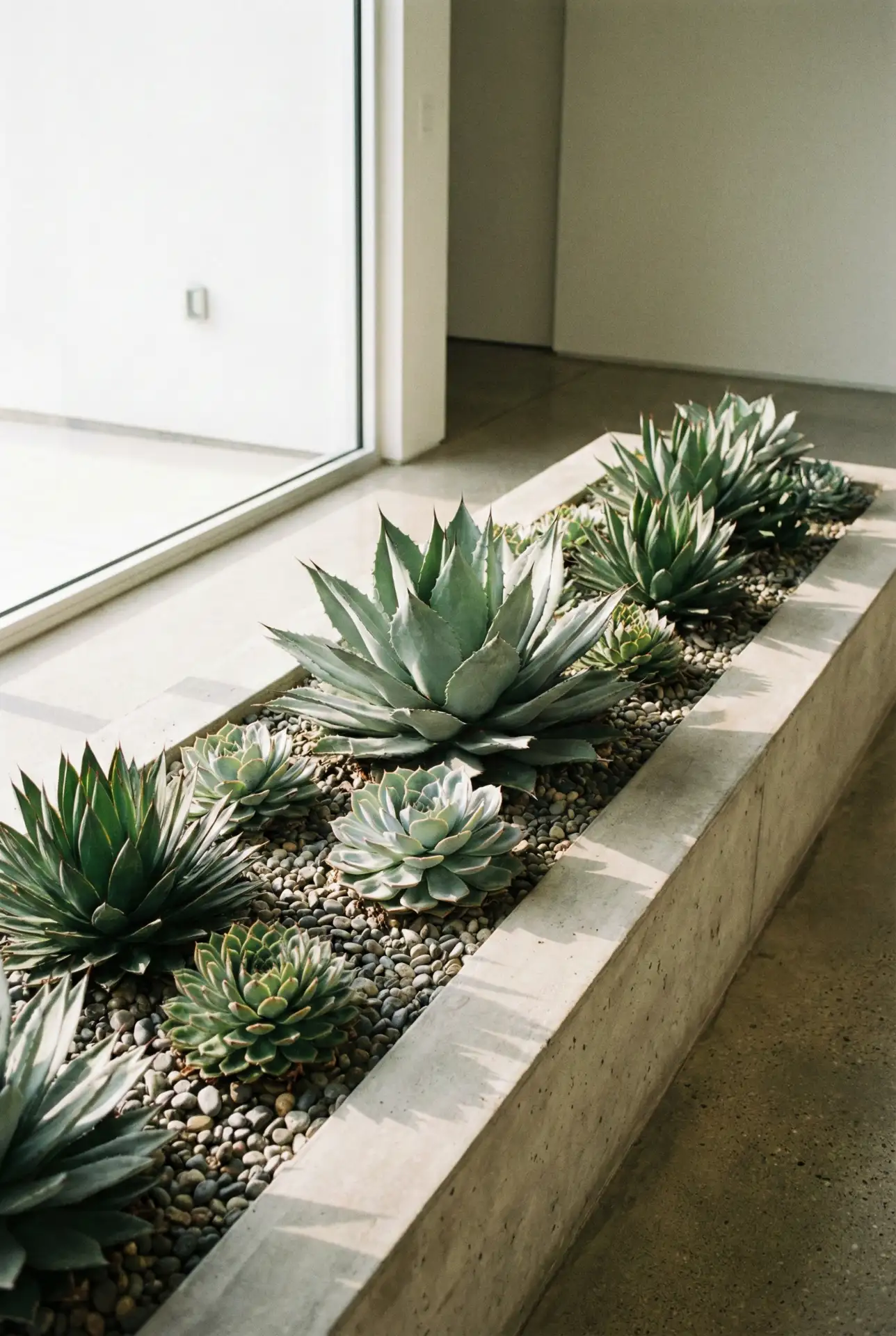
Sculptural succulent beds blend bold shapes with minimal care, fitting seamlessly into modern outdoor landscapes. Garden design in 2026 favors structured gravel bases, geometric planters, and dramatic plant forms that feel artistic yet natural. With varied textures and soft color gradients, succulents create striking visuals year-round. 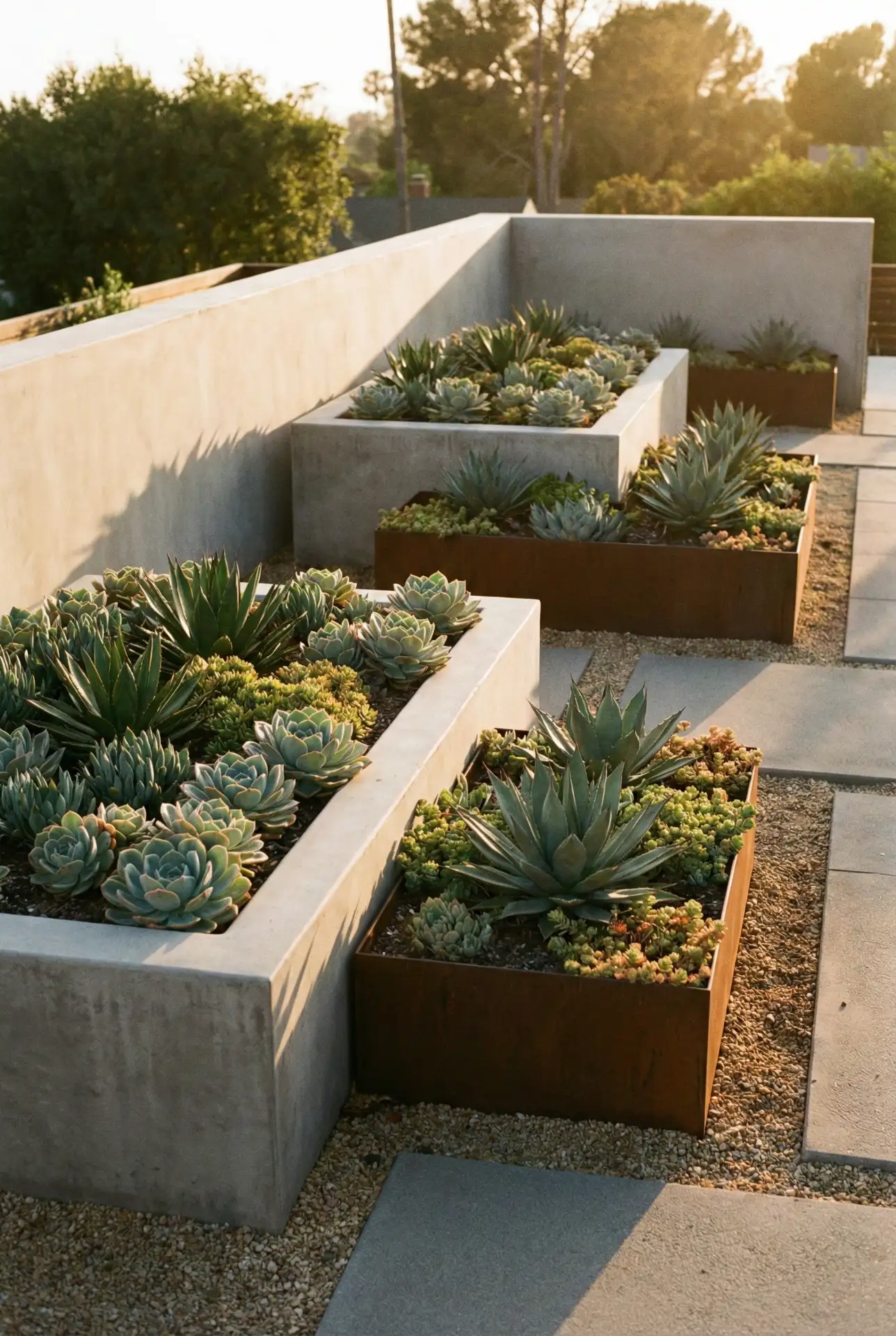
A common mistake is overcrowding succulents too closely, which leads to rot and poor airflow. Leaving breathing room between plants allows sunlight to reach each base and prevents moisture buildup. Pairing gravel or sand bases also improves drainage dramatically.
9. Australian-Inspired Natural Backyard Layout
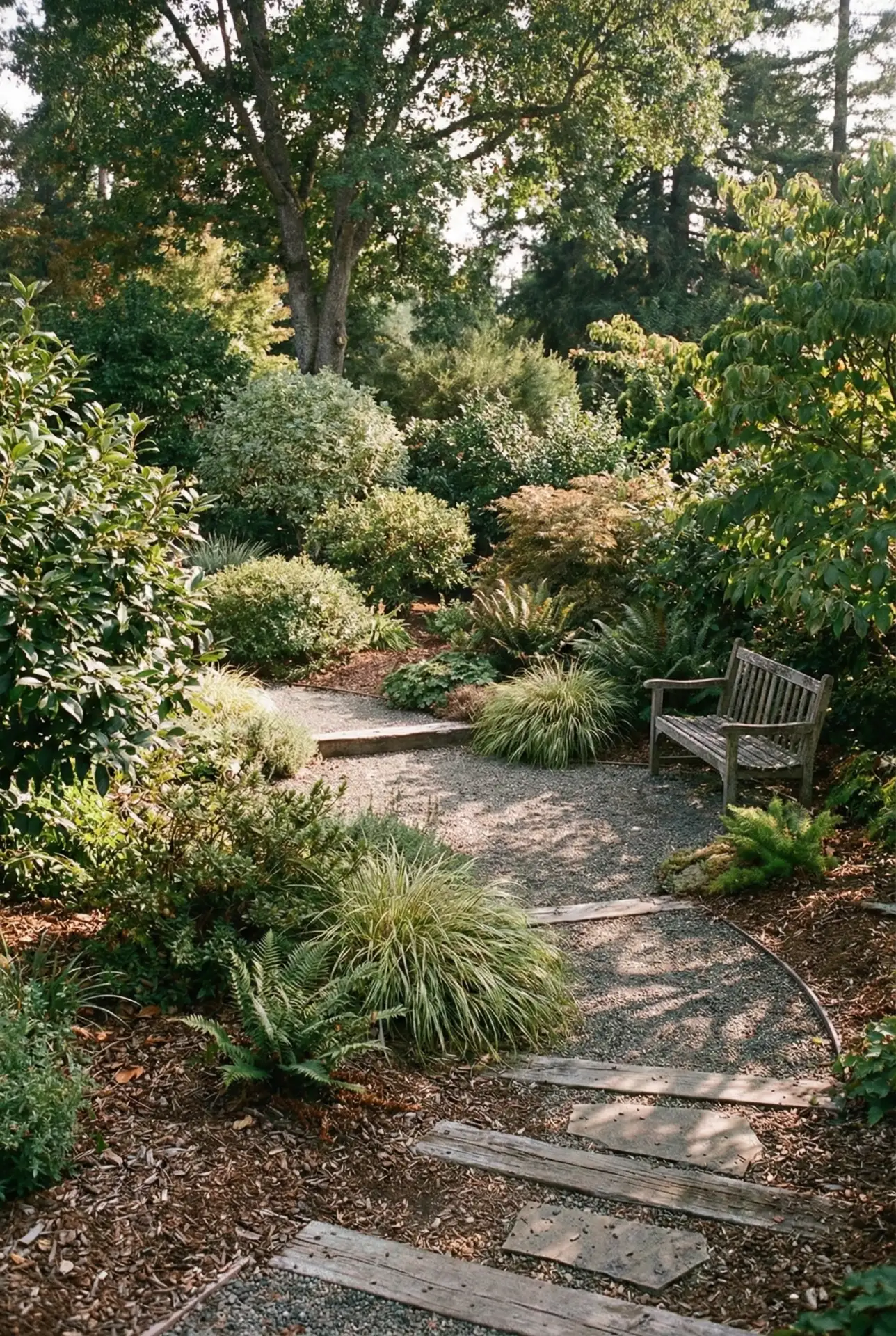
An Australian-inspired backyard emphasizes relaxed flow, native-style planting, and organic layout design. Garden design in 2026 embraces winding paths, textured grasses, stone accents, and hardy shrubs that thrive with less water. The result feels wild yet intentional—a landscape that moves naturally with the terrain. 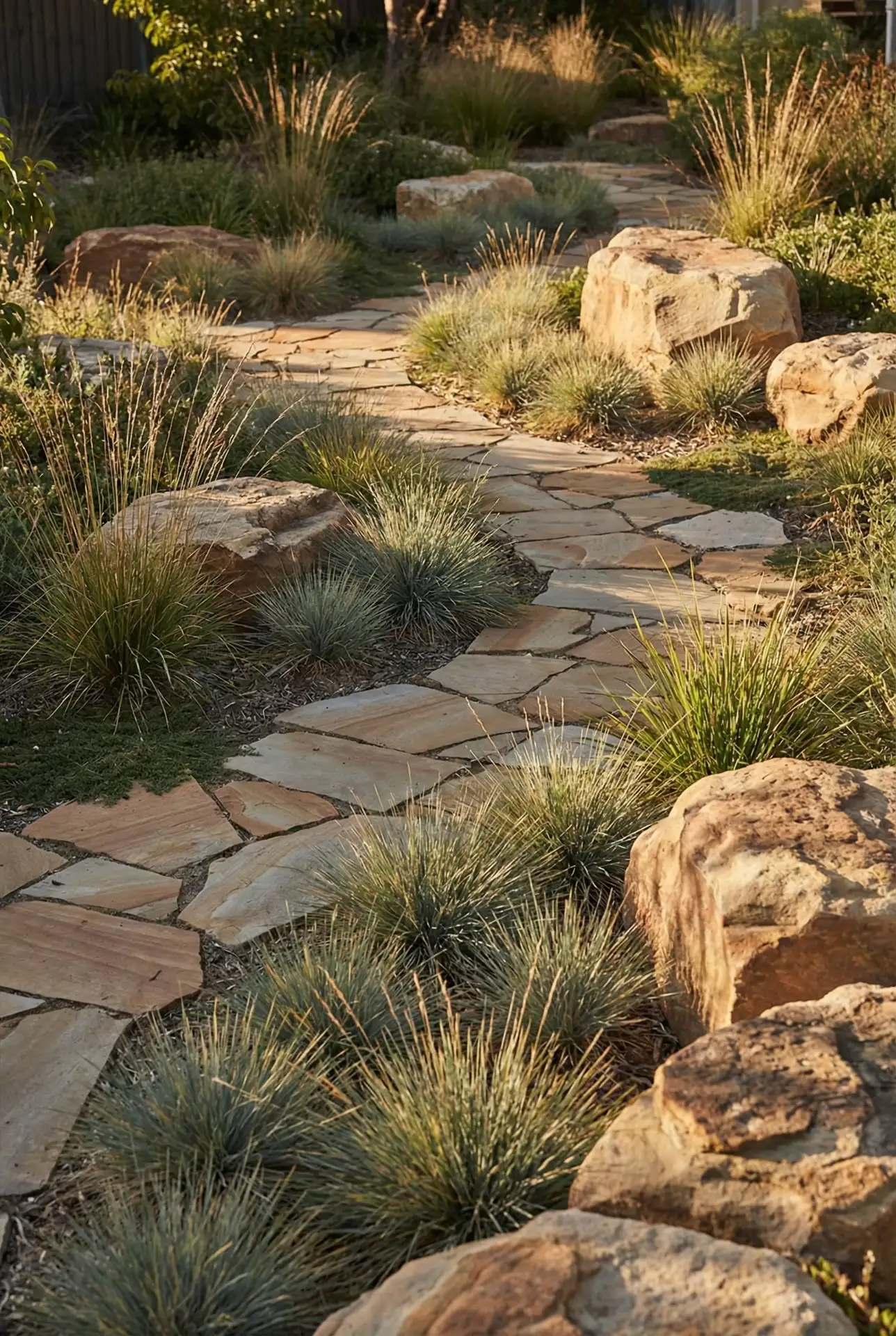
To make this style practical, homeowners often group plants by water needs and sun exposure. This reduces irrigation waste while keeping maintenance simple. Choosing drought-resistant species also helps landscapes stay vibrant during hot summers without constant watering.
10. Enchanting Witch-Inspired Courtyard Garden
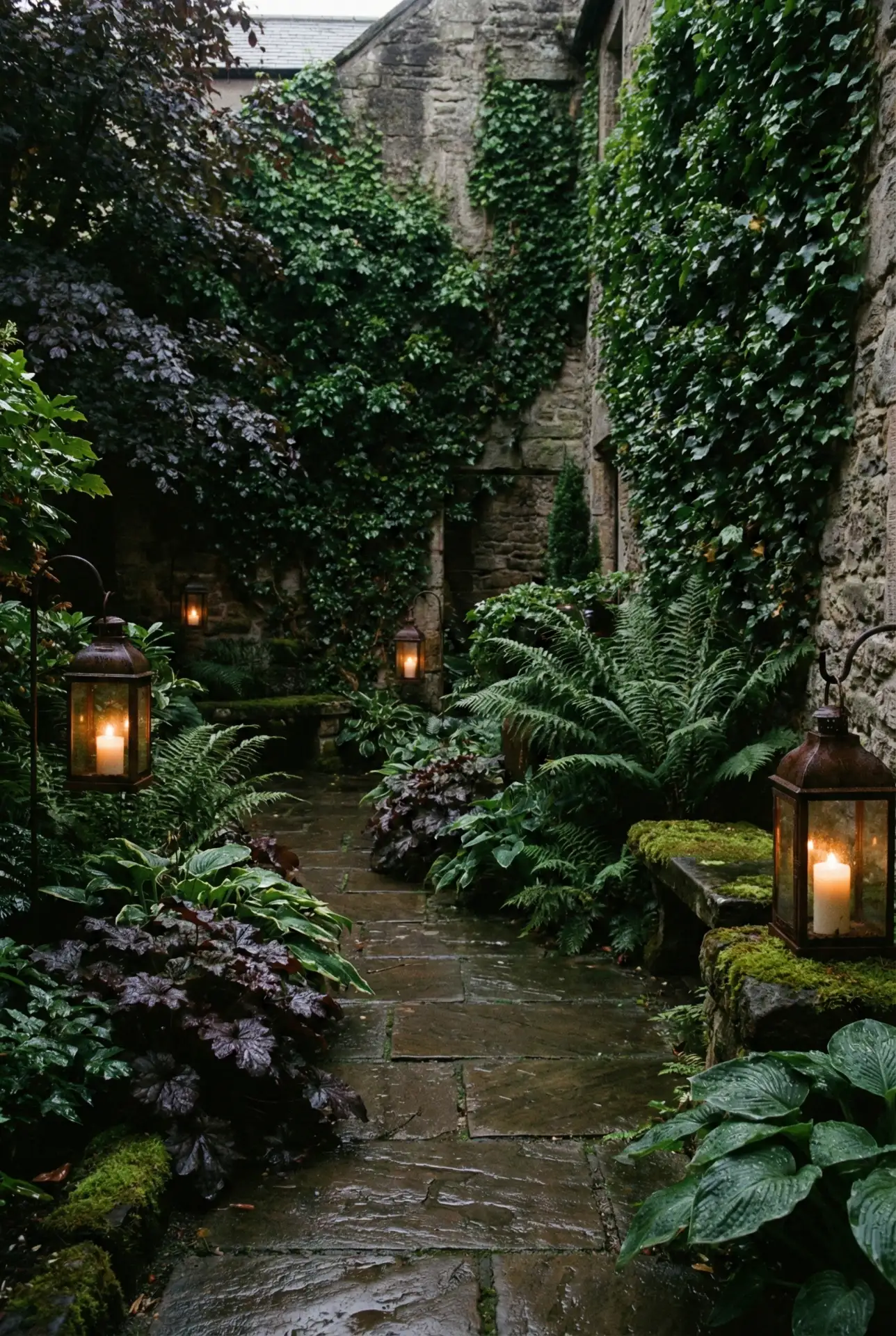
A mystical witch-inspired courtyard blends shadowy greenery, stone textures, and whimsical planting ideas into a magical retreat. Garden design 2026 leans into moody lighting, climbing vines, dark-leaf plants, and hidden seating nooks that feel straight out of a storybook. Mossy stones and antique planters add character and depth. 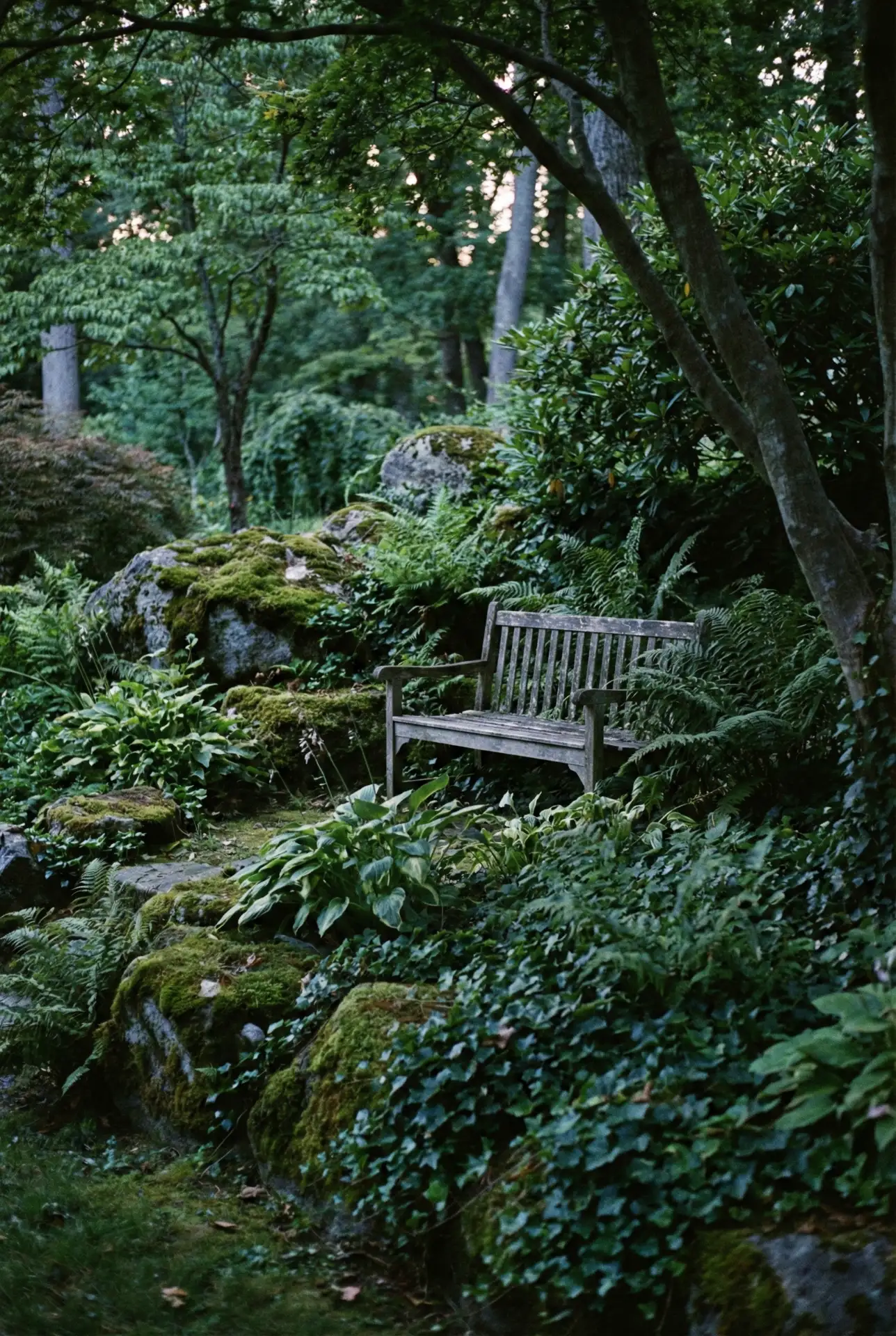
This style works best in enclosed spaces where walls or fencing naturally frame the garden. Courtyards, side yards, and shaded patios allow dramatic plants and lighting to shine without competing with wide-open landscapes, creating an immersive, cozy atmosphere.
11. Vertical Tiny Patio Herb Wall
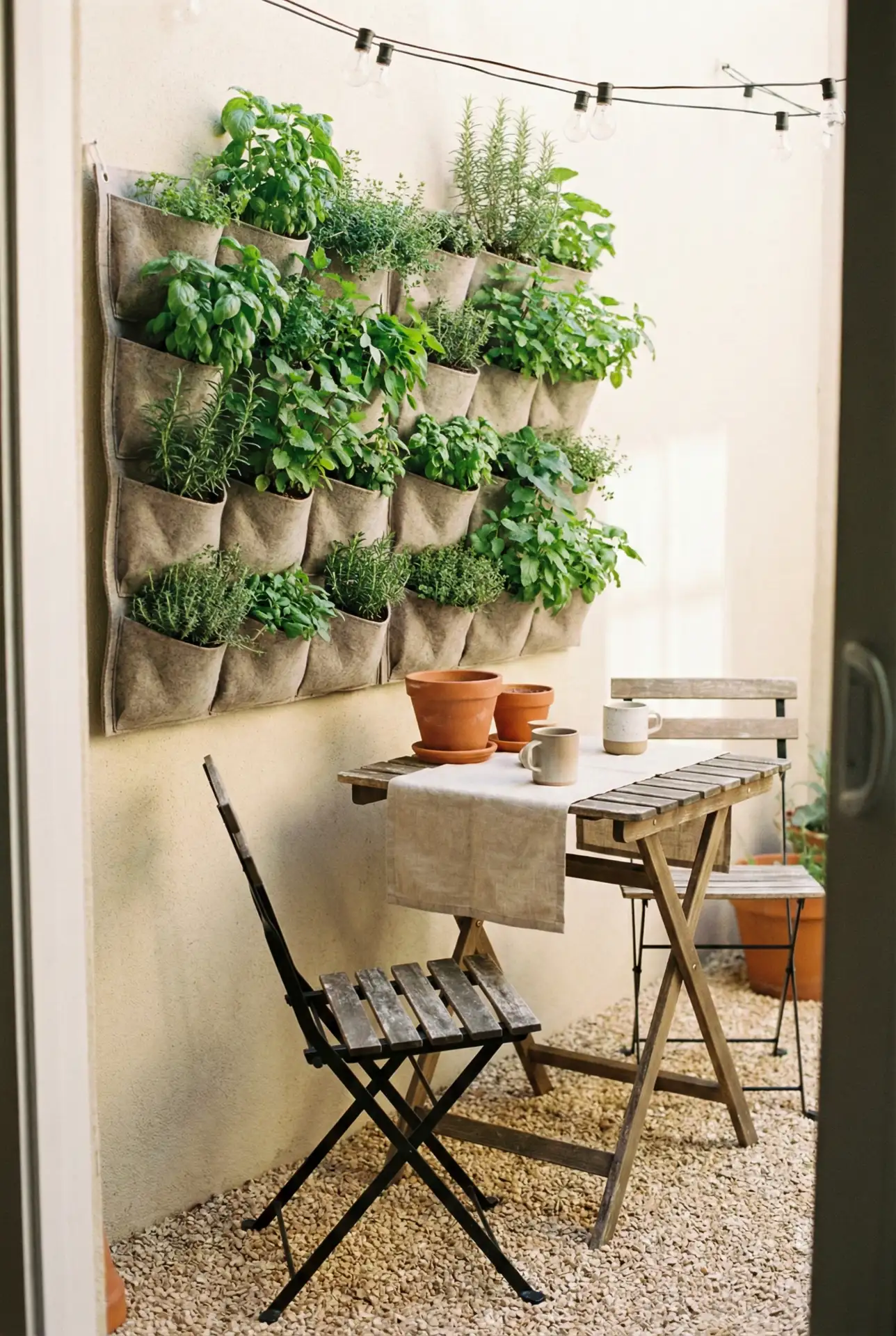
A compact vertical herb wall is one of the smartest ideas for a tiny patio, especially when floor space is limited. In garden design 2026, pocket planters or slim shelves hold basil, mint, and rosemary while keeping the space airy. Pair it with a narrow bistro table, warm string lighting, and a simple gravel border for a neat, high-impact look. 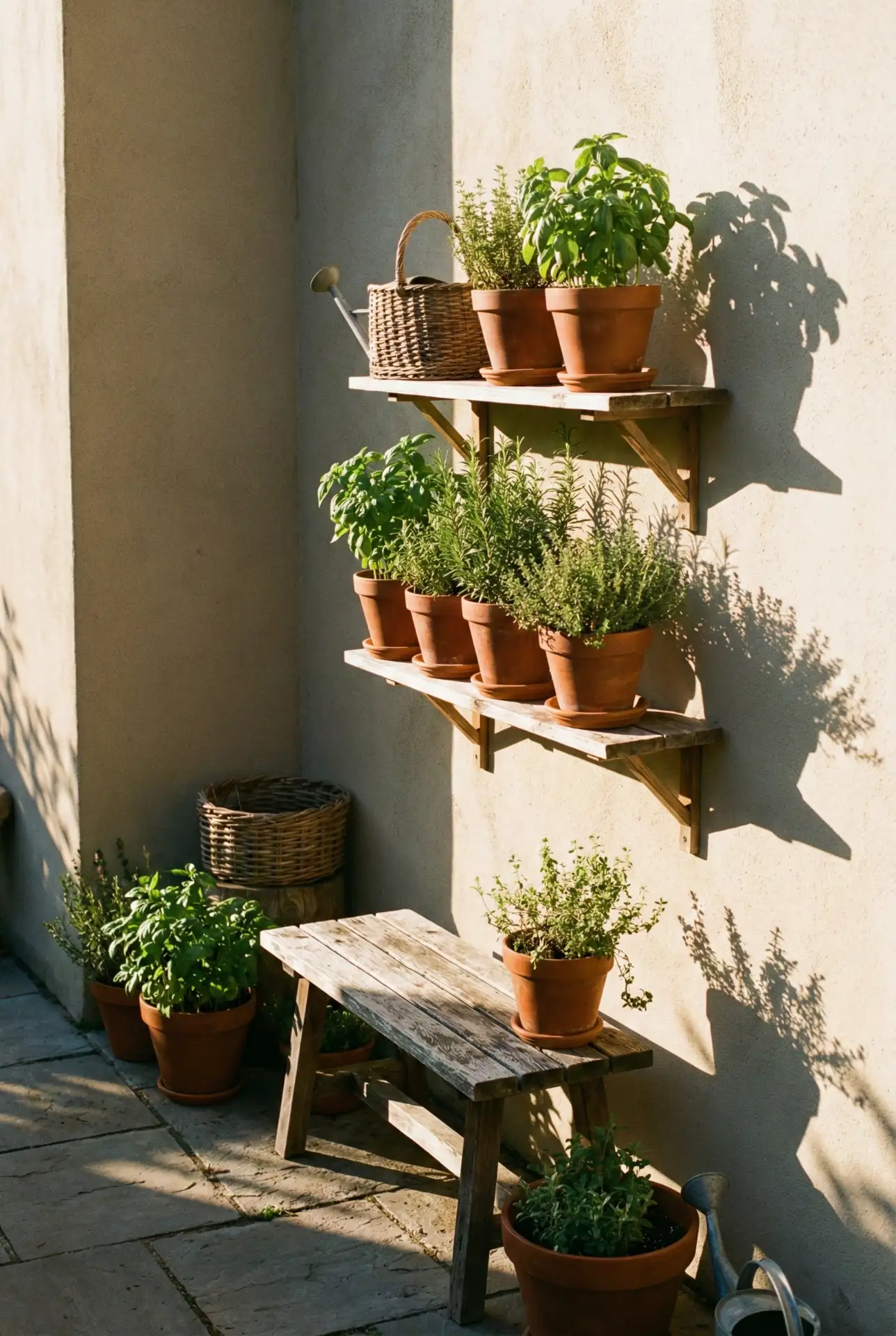
For a more practical design, position the herbs by the kitchen door, and use lightweight planters that won’t put stress on the fence or wall. To protect the siding, put drip trays under the planters, and put sun-thirsty herbs together to make the watering routine easier. Keeping a small watering can and pruning scissors in a basket makes it seem like upkeep is easy.
12. French-Inspired Gravel Courtyard Bistro
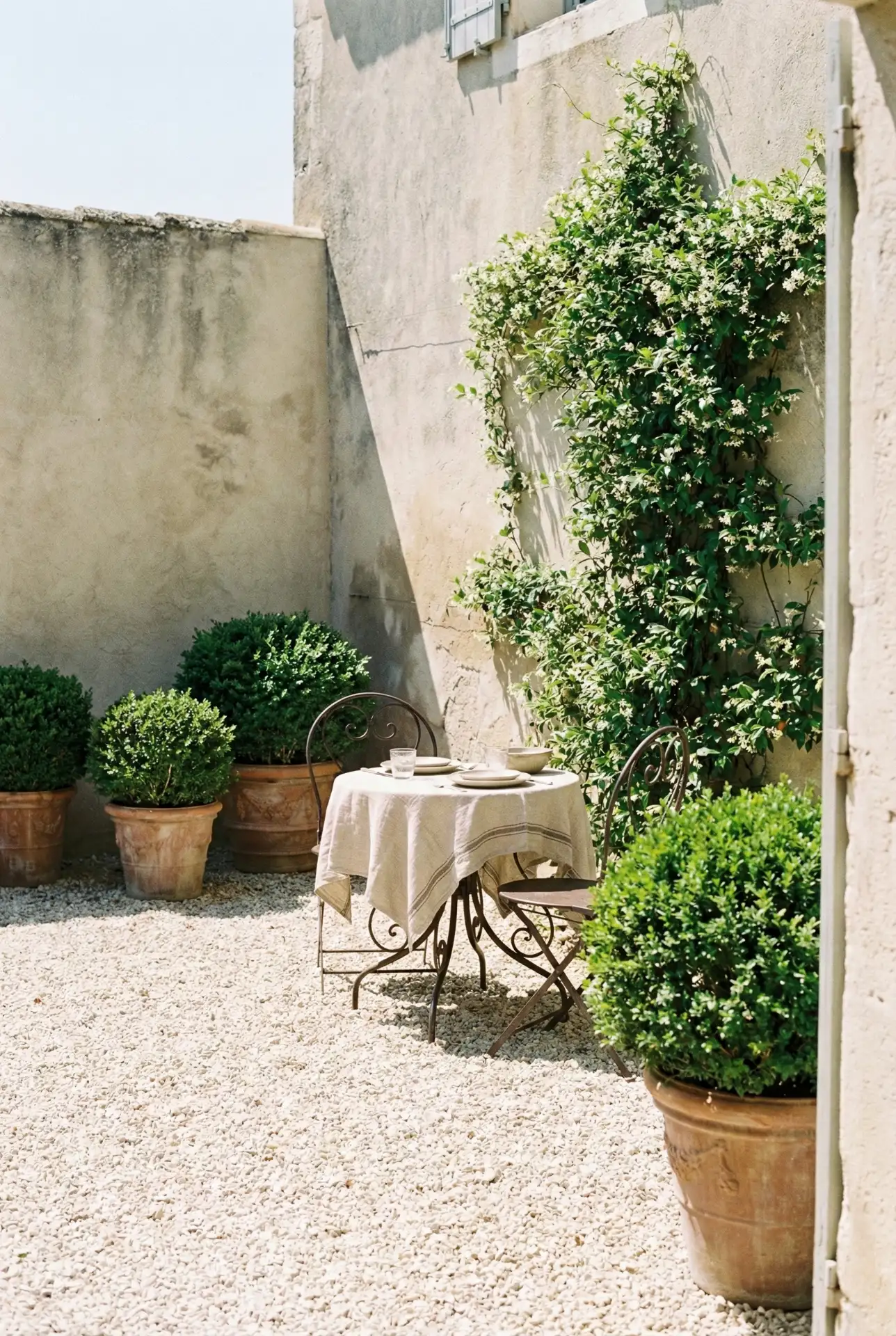
A French-style bistro garden adds gravel underfoot, clipped greenery, and a petite café table to a quiet Courtyard into an everyday escape with gravel underfoot, clipped greenery, and a petite café table. Garden design 2026 loves this mix of tidy structure and romance — boxwood spheres, climbing vines, and soft blooms around the edges. Add a simple fountain bowl for gentle sound and instant atmosphere. 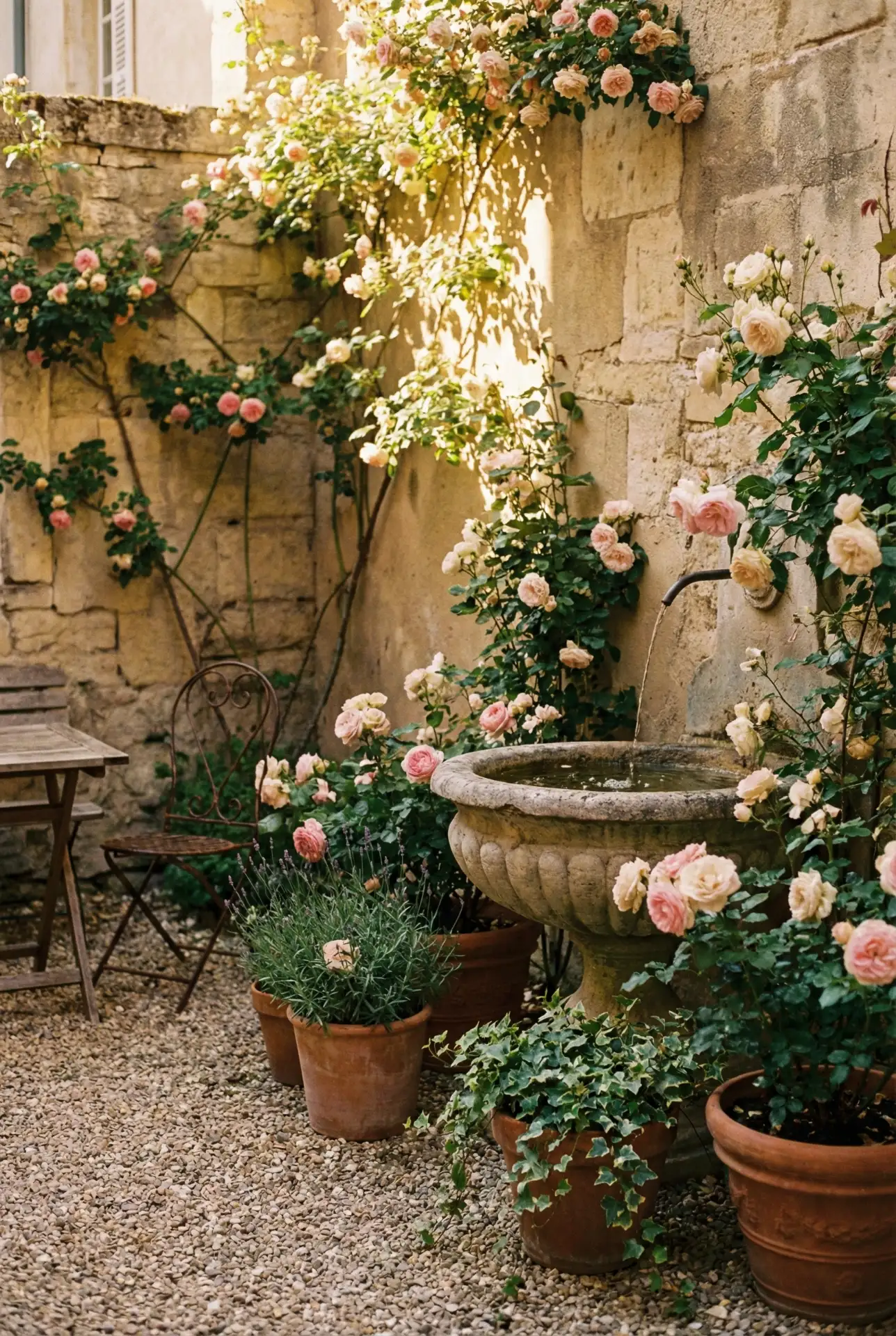
This is where expert eyes always go, design-wise: the color palette should be kept to a minimum so the greenery can be the decor. Repeating shapes, like round pots, clipped shrubs, and clean borders, create that effortless French rhythm.
If you’re feeling a little dramatic, try one climbing plant instead of lots of small accents.
13. Mediterranean Terrace With Citrus Pots
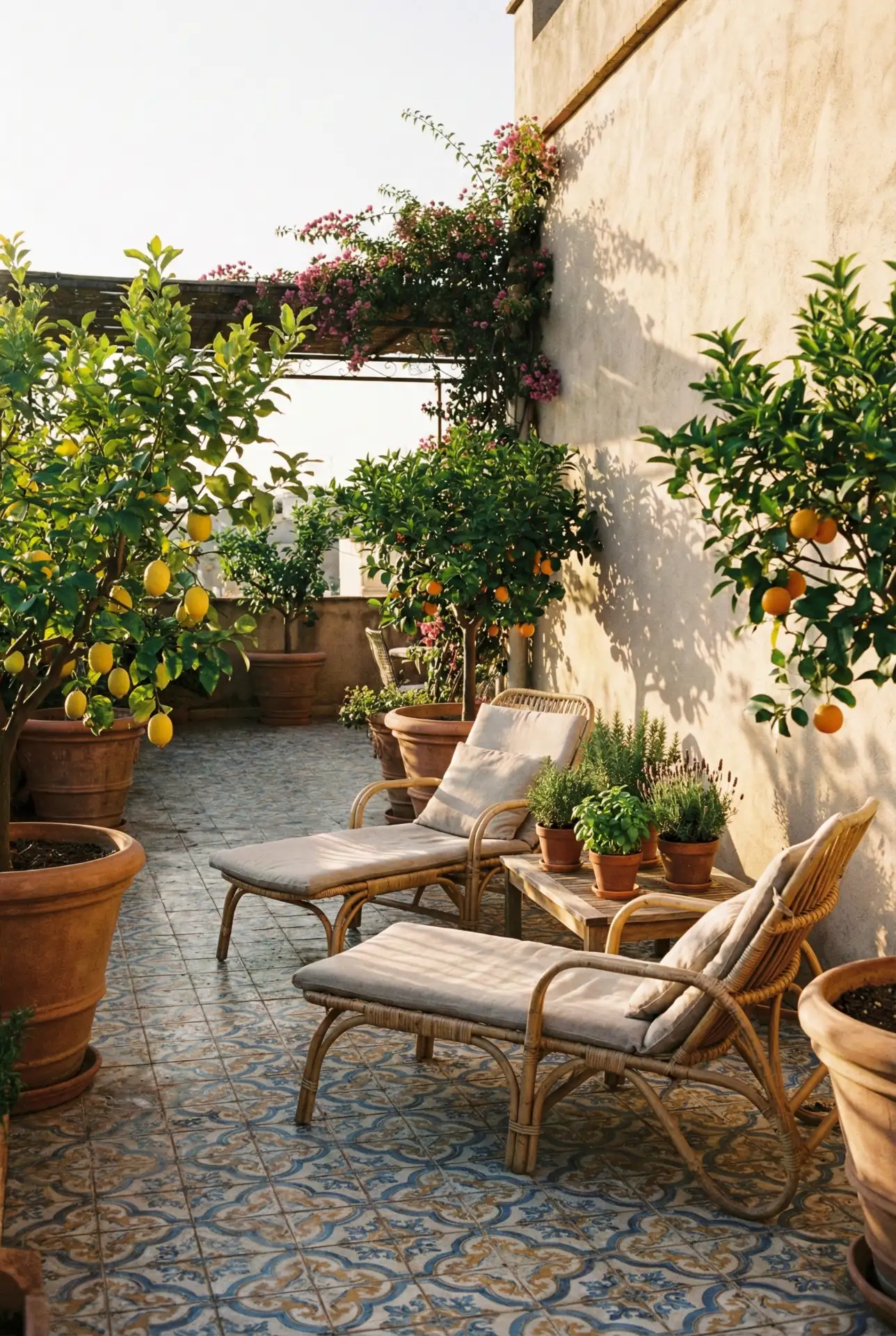
A sun-washed Mediterranean terrace comes alive with citrus trees in pots, patterned tile, and warm, earthy textures. Garden design in 2026 highlights fragrant plantings that make outdoor spaces feel sensory—lemon, rosemary, and lavender near seating so you brush past scent all day. A simple stucco wall and woven chairs complete the vacation-at-home mood. 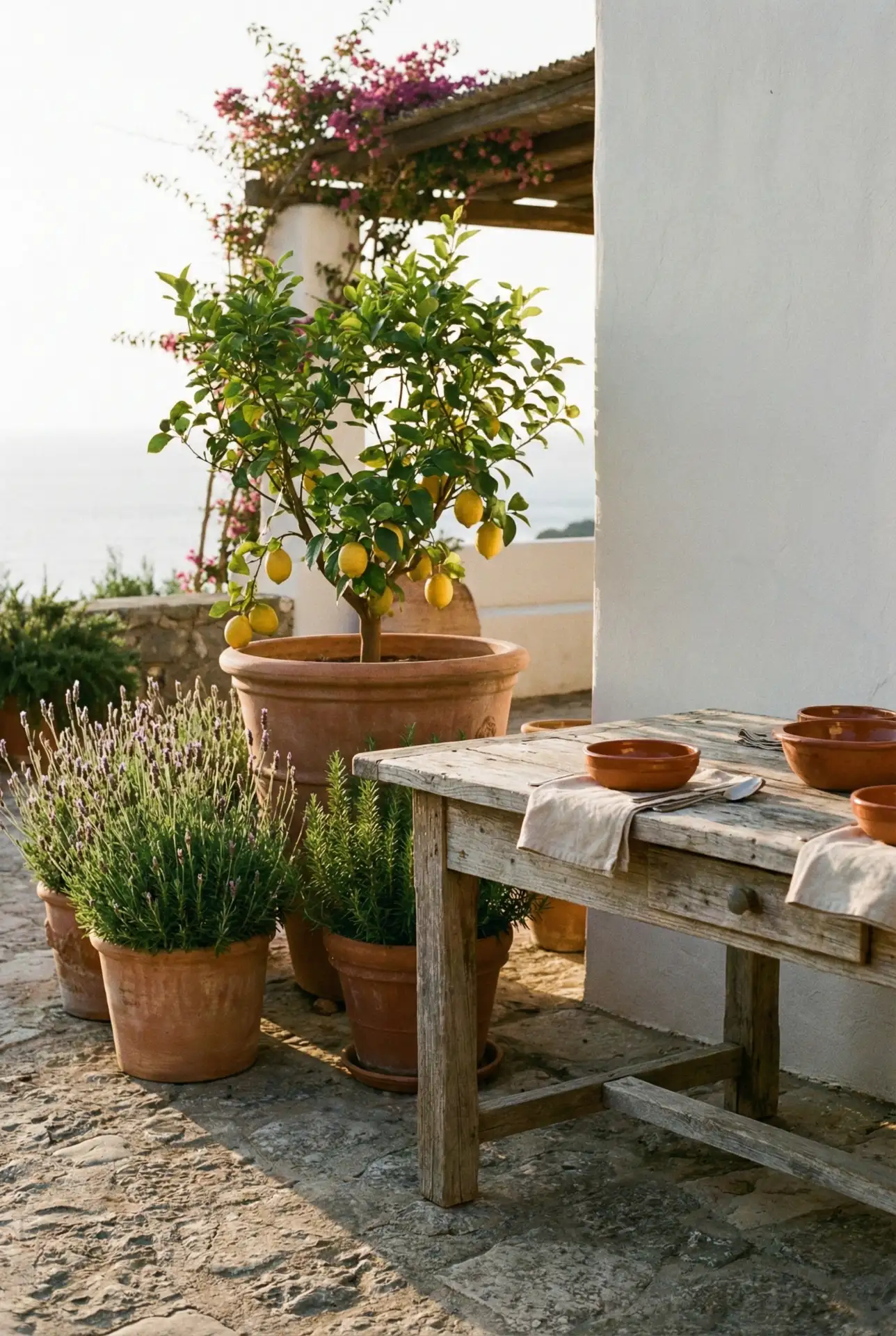
Here’s where it works best: bright patios and terraces with at least six hours of sun, especially in warmer regions or sheltered microclimates. Even in cooler states, citrus can thrive outdoors in summer and move inside for winter. The key is choosing large pots for root space and stable moisture during hot spells.
14. Modern Front Yard Succulent Border
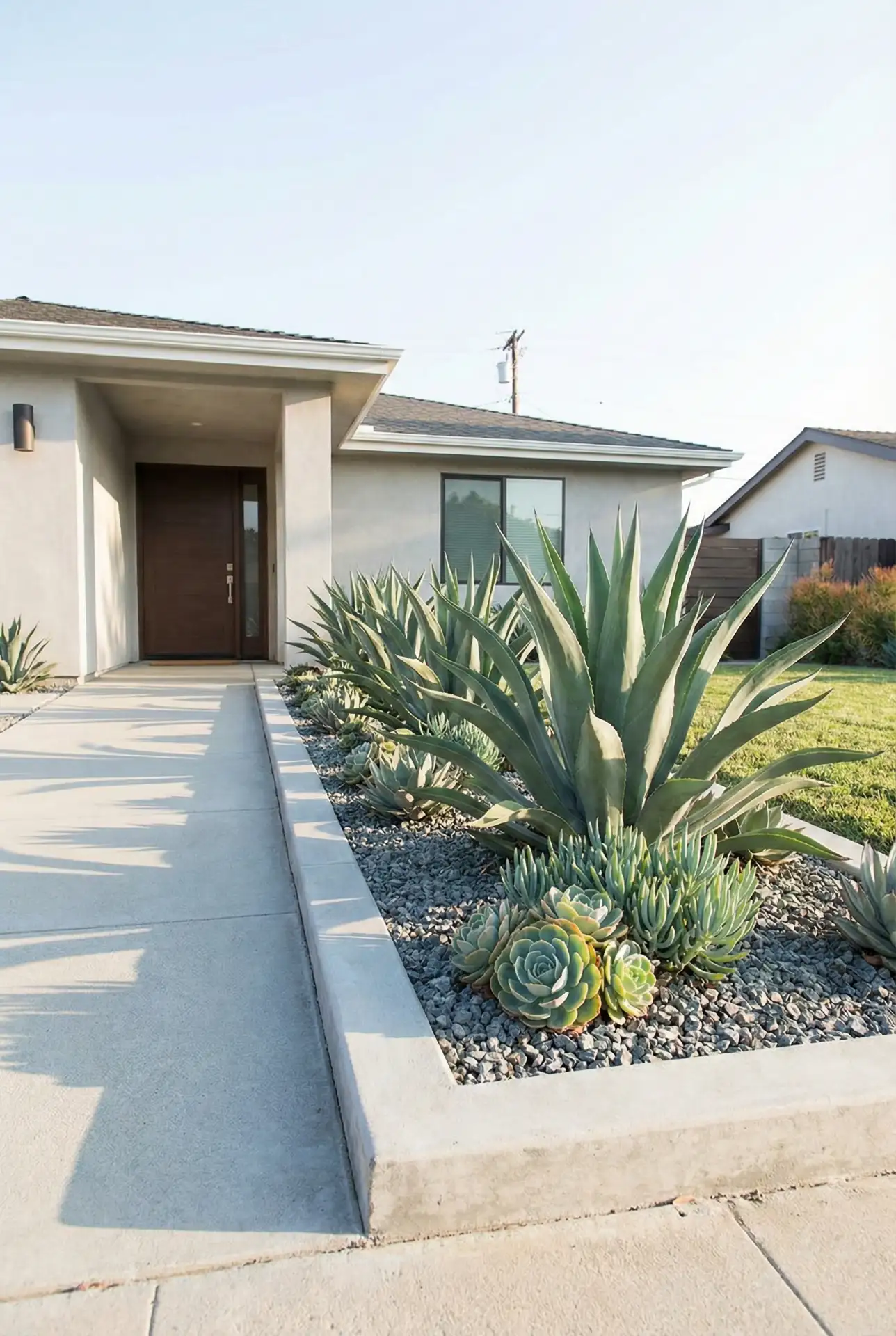
A clean-lined Front yard border of sculptural Succulent plants update curb appeal with low-water style. Garden design in 2026 leans modern here: gravel mulch, geometric edging, and repeating plant shapes so the landscape reads crisp from the street. Add one or two statement agaves near the entry, and the whole home feels freshly edited. 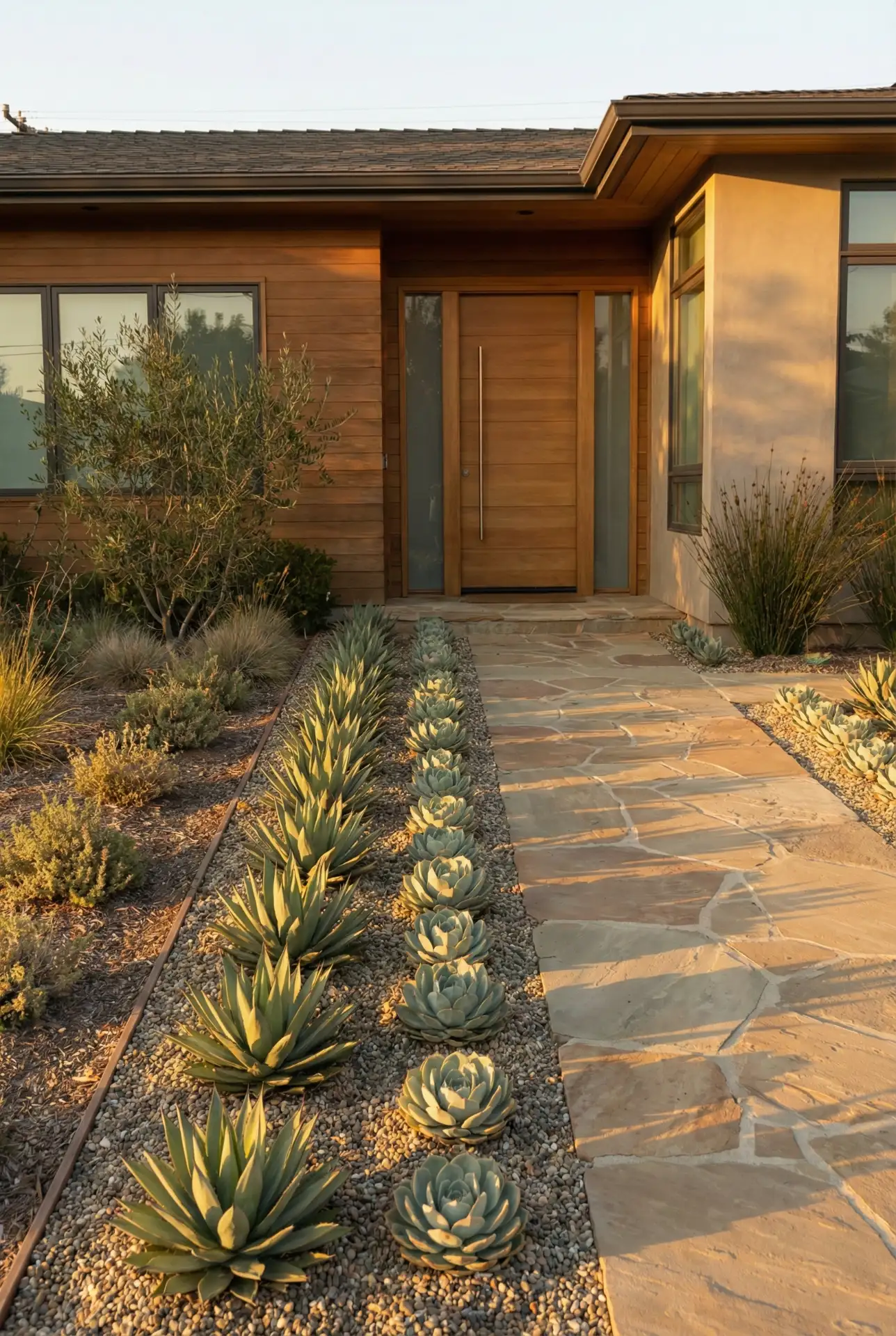
Real homeowner behavior often comes down to one thing: time. A succulent border is popular because it stays sharp with occasional trimming and seasonal cleanup instead of weekly watering. Many people also prefer gravel and drip irrigation because it feels “set it and forget it,” especially during busy workweeks.
15. Backyard Outdoor Dining Garden Rooms
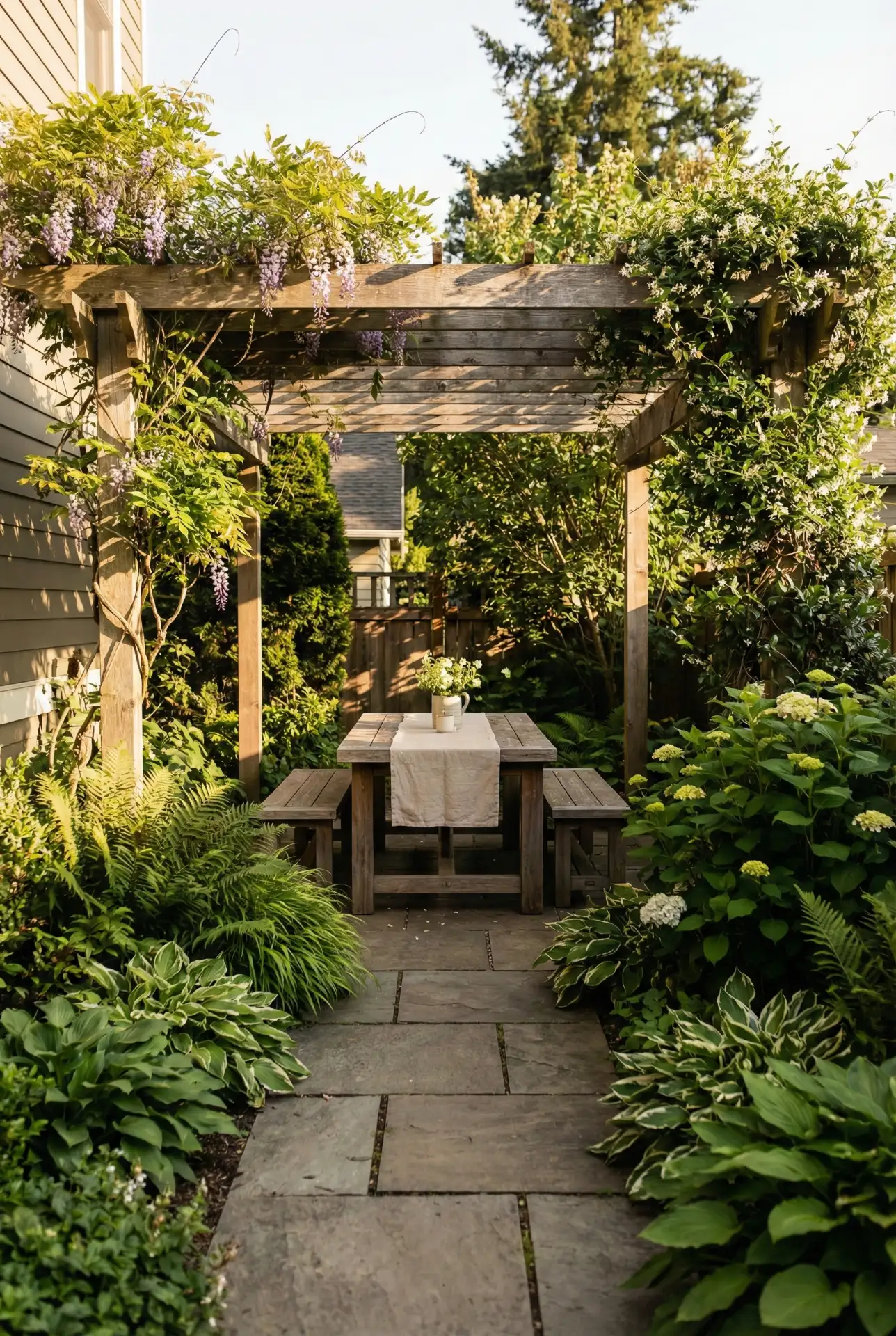
Garden design 2026 is treating the backyard like a series of outdoor “rooms,” with dining as the star zone. Use pergola shade, layered planting, and simple layout planning so the table feels anchored, not floating in grass. Evergreen borders, herb planters, and a path of pavers create a natural flow between the house and the gathering space. 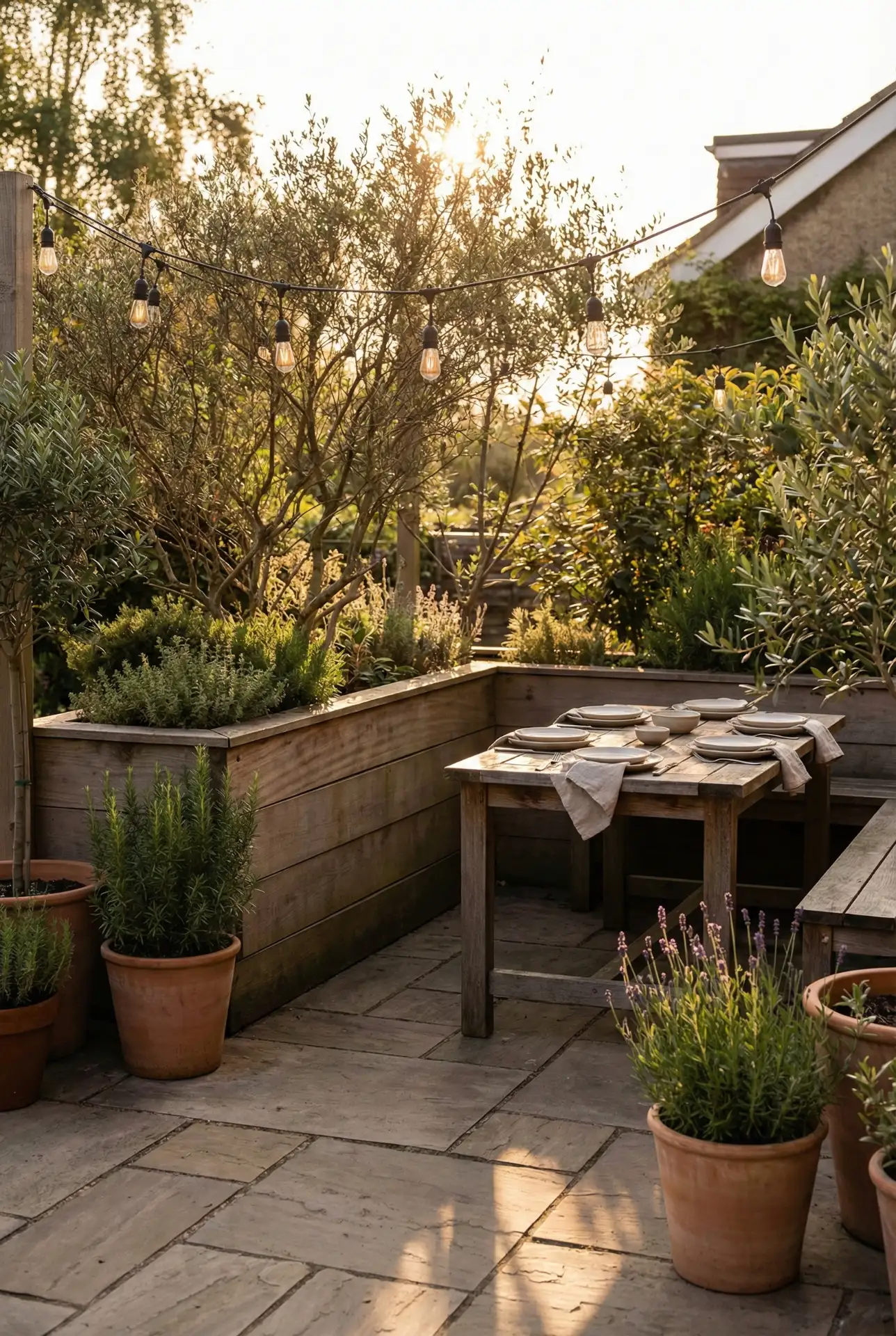
One of the most common mistakes is placing the table too far from the kitchen, which makes hosting feel like a workout. Keep dining within an easy carry distance, and define the “room” with planters or low hedges so it feels intentional. Also, leave enough clearance around chairs for comfortable movement and serving.
16. Japanese Roof Garden With Bamboo Screen
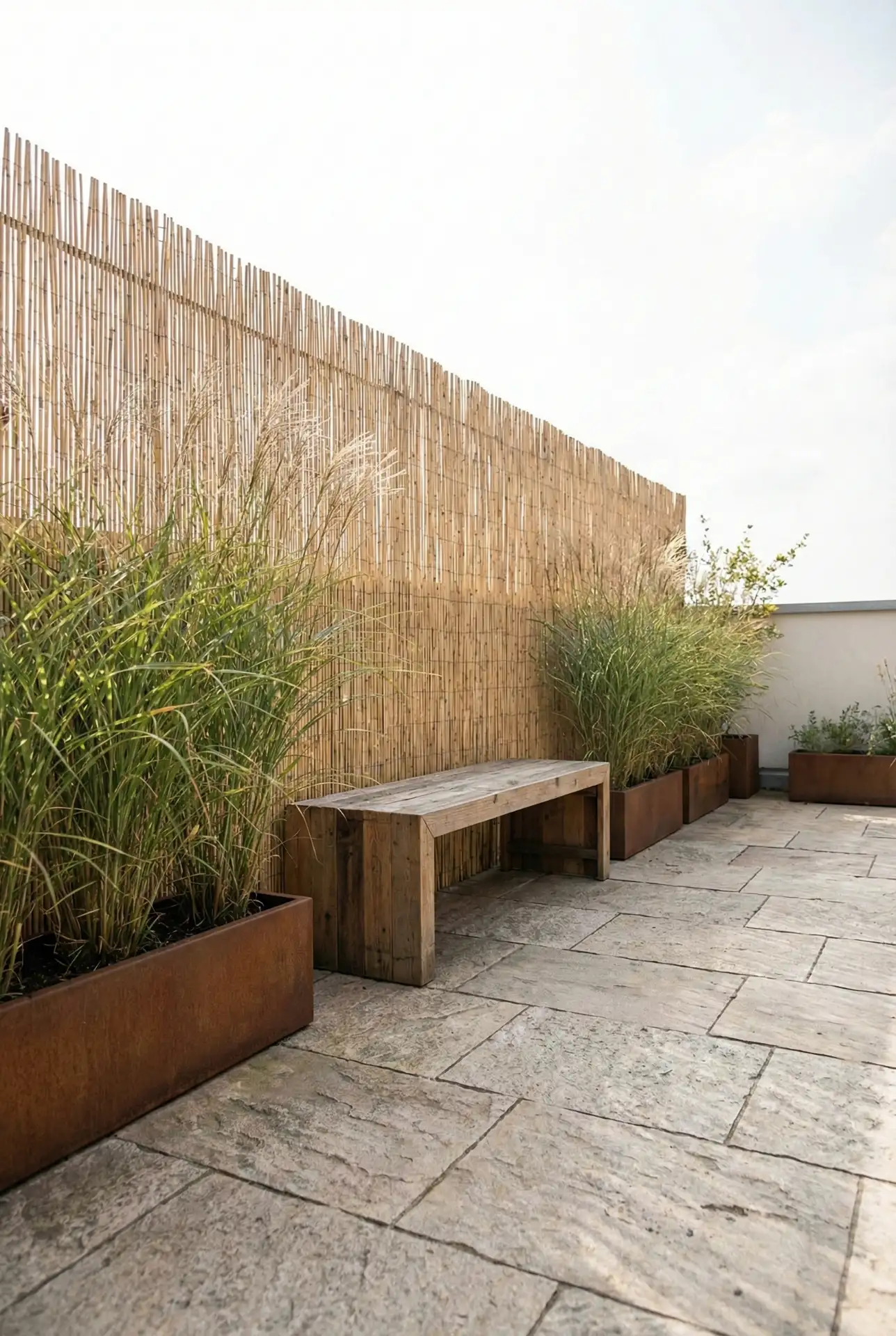
A Japanese -inspired Roof garden uses bamboo screens, stone, and minimal planting to create privacy and calm above the city. Garden design 2026 embraces simple lines: narrow planters with grasses, a low bench, and a few sculptural trees for balance. The bamboo backdrop softens wind and sightlines, turning the rooftop into a quiet retreat. 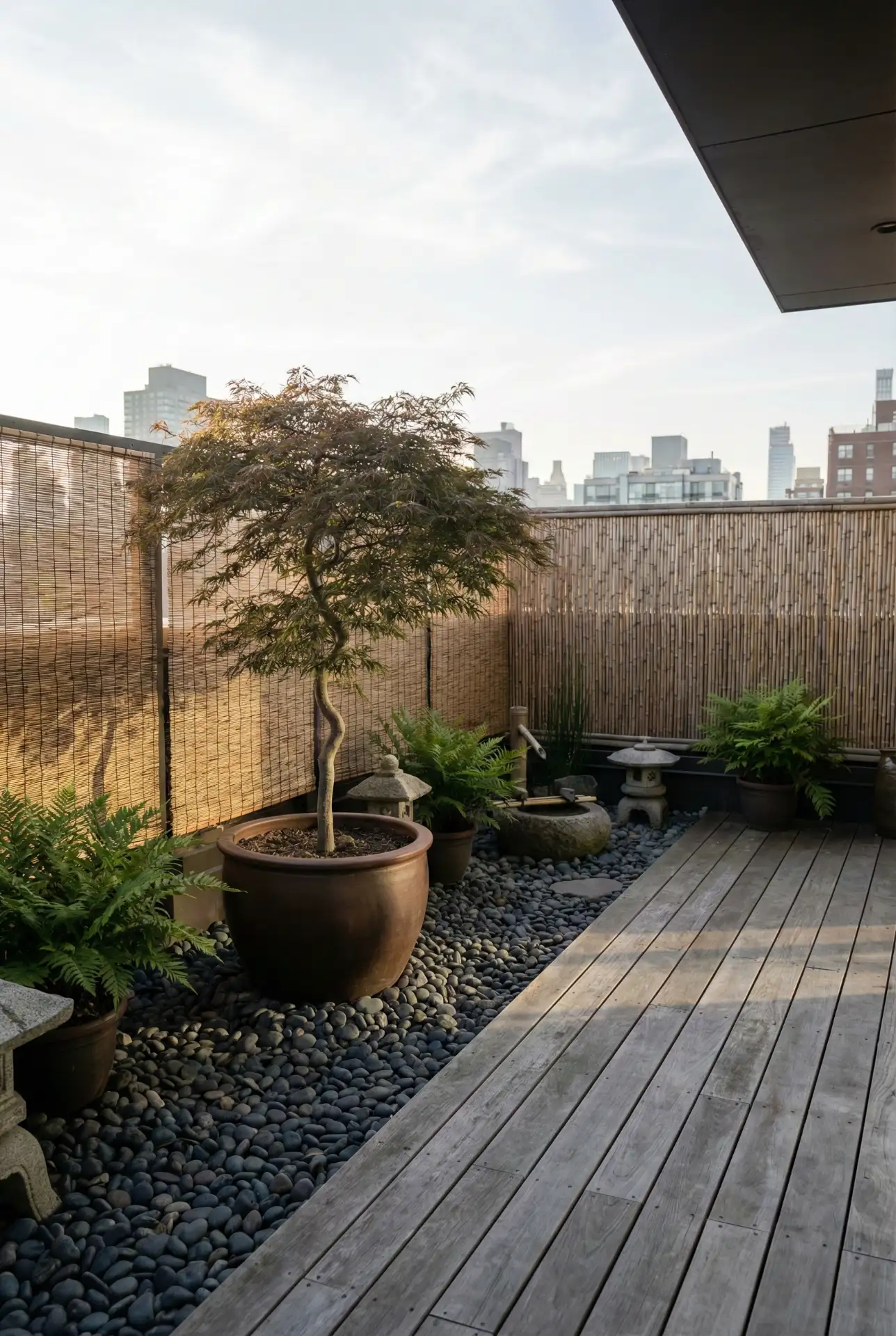
From a budget perspective, the biggest cost is often the base: pavers, deck tiles, or drainage layers. Many homeowners save by using modular deck tiles and lightweight planters instead of built-in beds. Bamboo screens are usually a cost-effective privacy solution that also looks high-end when kept clean and evenly spaced.
17. Australian Native Gravel Garden Plans
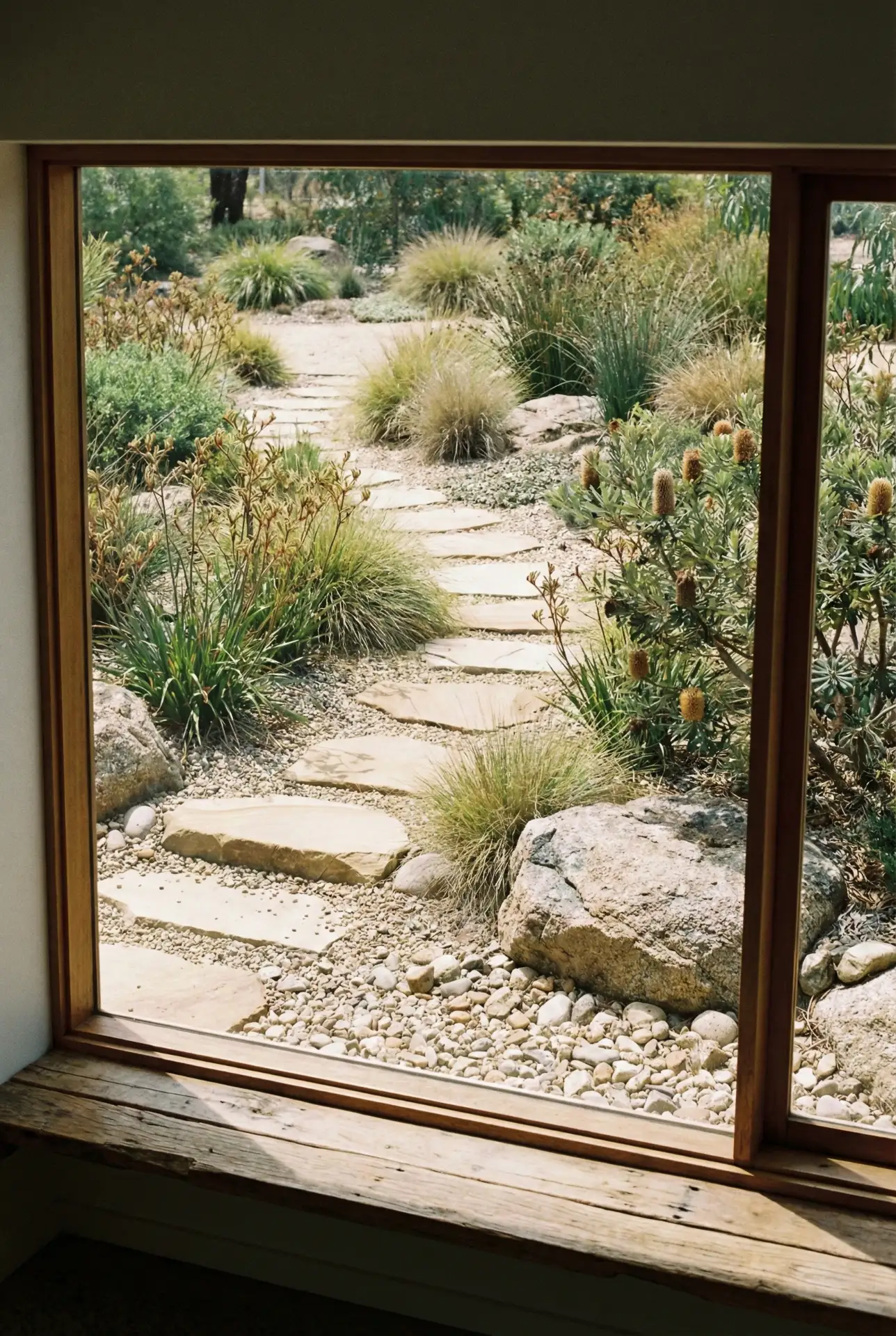
Low-water Australian Australian Plans Plans 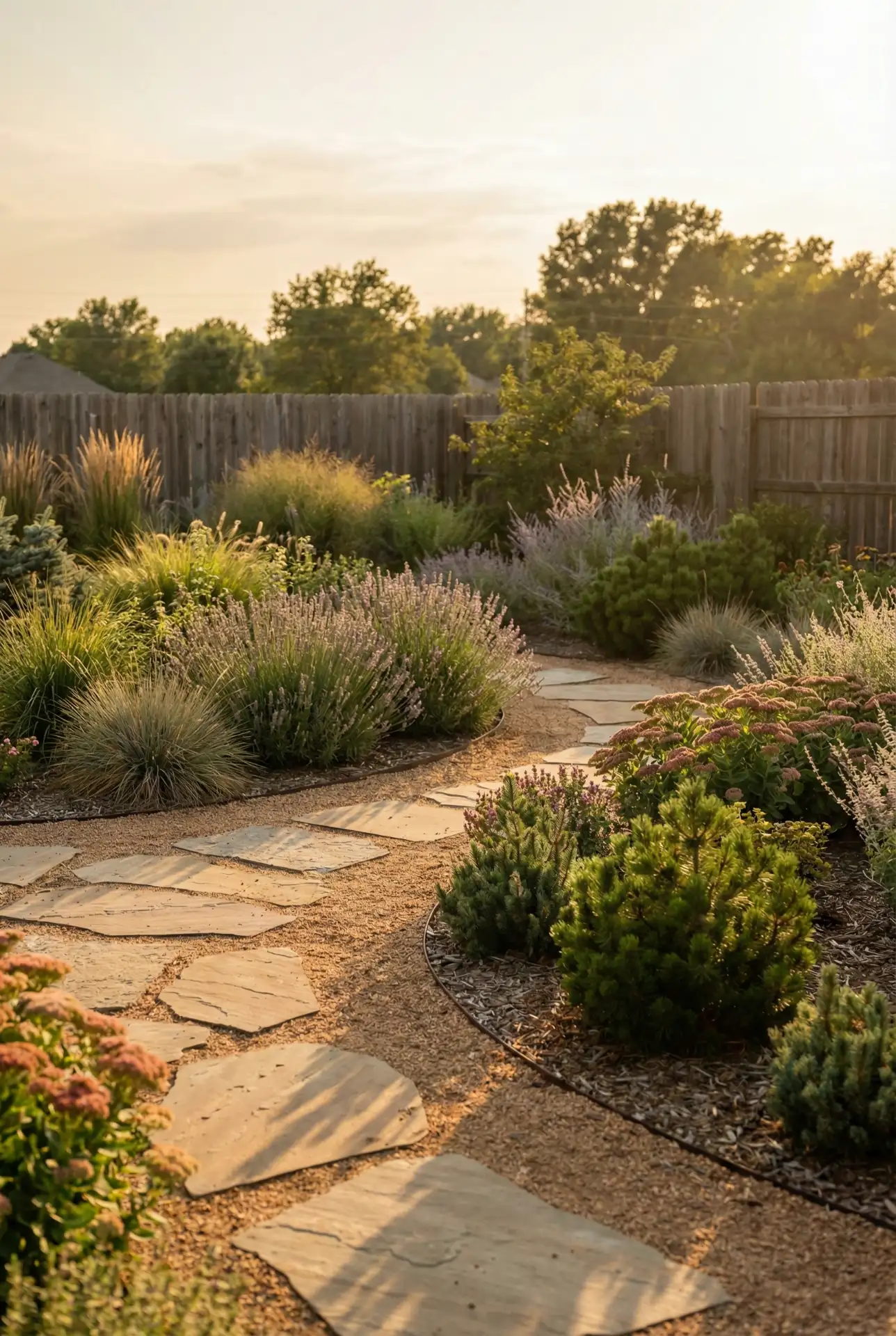
It is especially great for sunny yards, sloped side lots, and areas that require water conservation. Gravel planting beds help reduce weeds and evaporation – great for those hot summer months. If your area is prone to heavy rains, adding drainage layers below the gravel will keep roots healthy in the long run.
18. Enclosed Courtyard Vertical Shade Garden
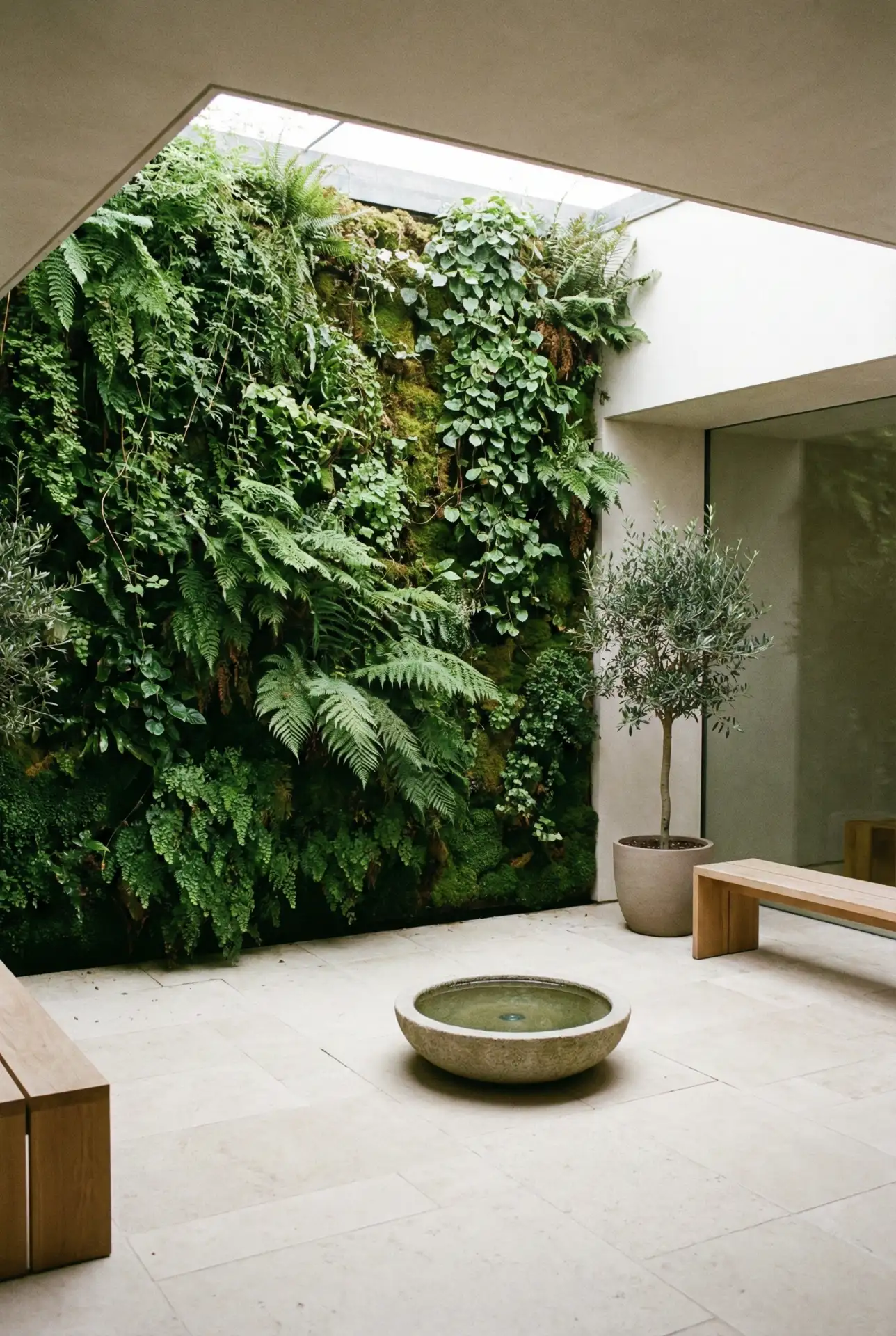
An enclosed courtyard can feel brighter and larger with a vertical garden designed for shade-loving plants. Garden design in 2026 highlights living walls with ferns, trailing vines, and compact planters that climb upward instead of spreading out. Add a slim water feature and a pale stone floor to bounce light, creating a calm space that feels curated. 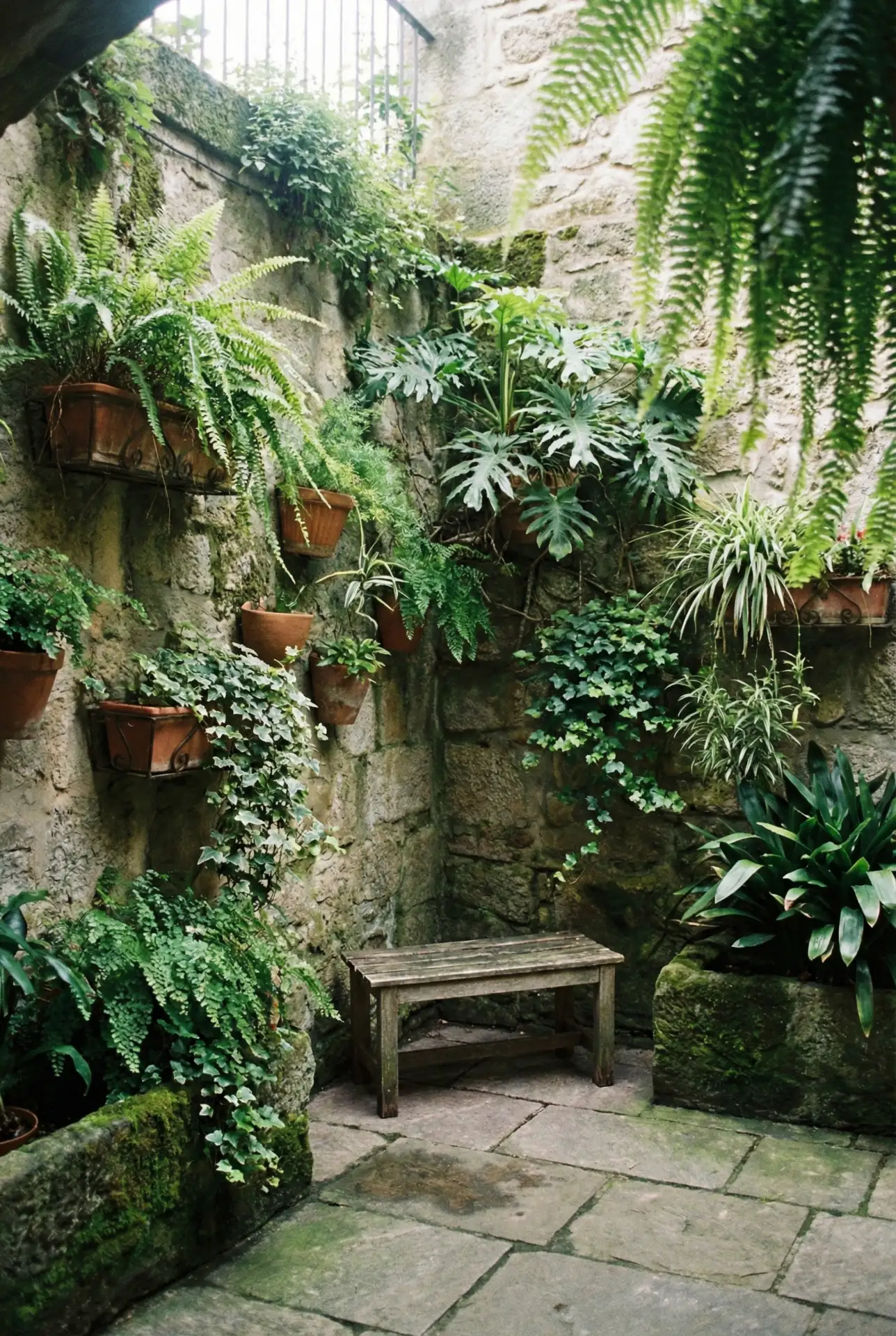
Expert advice: Before you fall in love with the look, select plants that suit your light levels. A north-facing courtyard is great for ferns and ivy, whereas a space with more light can withstand flowering climbers. Also, think about irrigation before the walls go up—a simple drip line behind the wall means the display stays healthy without the need for daily hand-watering.
19. Rooftop Zen Succulent Deck
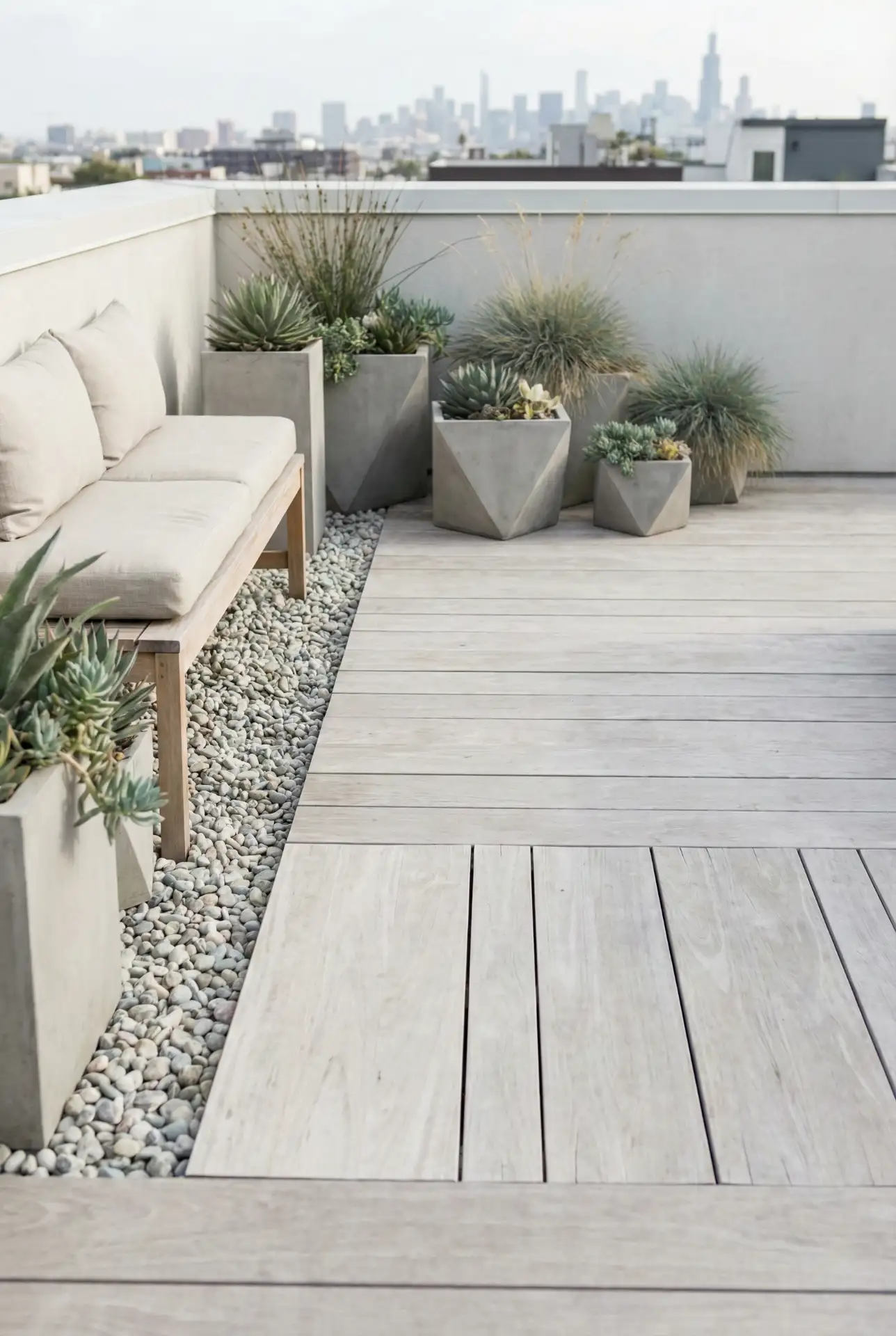
A rooftop deck feels restful and grounded with a Zen approach built around succulent planters and clean layout lines. Garden design 2026 favors quiet palettes—pale wood, stone, and soft gray planters—paired with sculptural plants and a simple bench. A gravel strip or rock grouping adds a meditative touch without taking up much room. 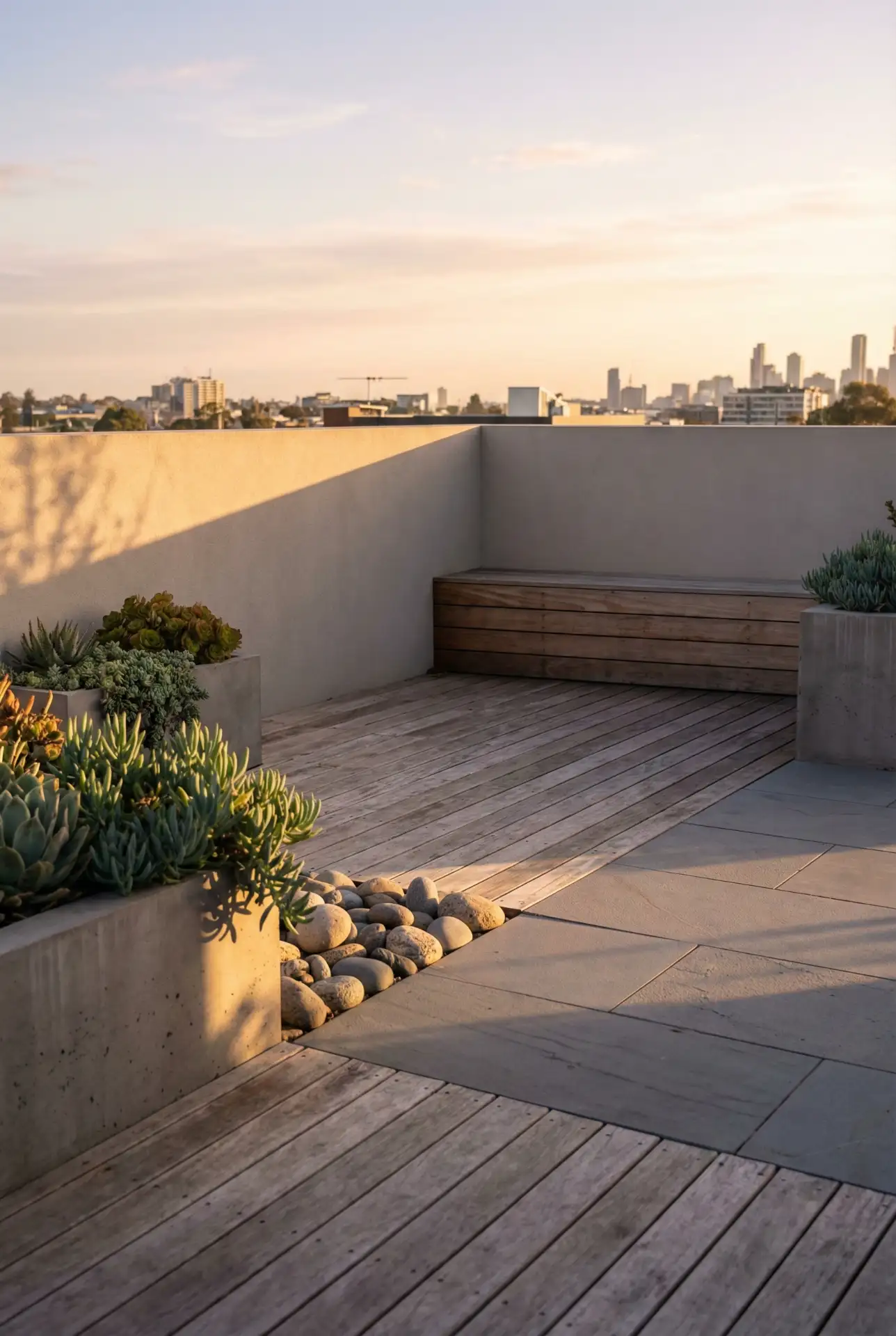
Micro anecdote: a neighbor once told me her rooftop Zen deck became her “reset button” after long days—five minutes out there felt like a mini vacation. She kept it simple but intentional so there was nothing that demanded attention, and that restraint made the space more inviting, not less.
20. Witchy Cottage Backyard With Moon Garden
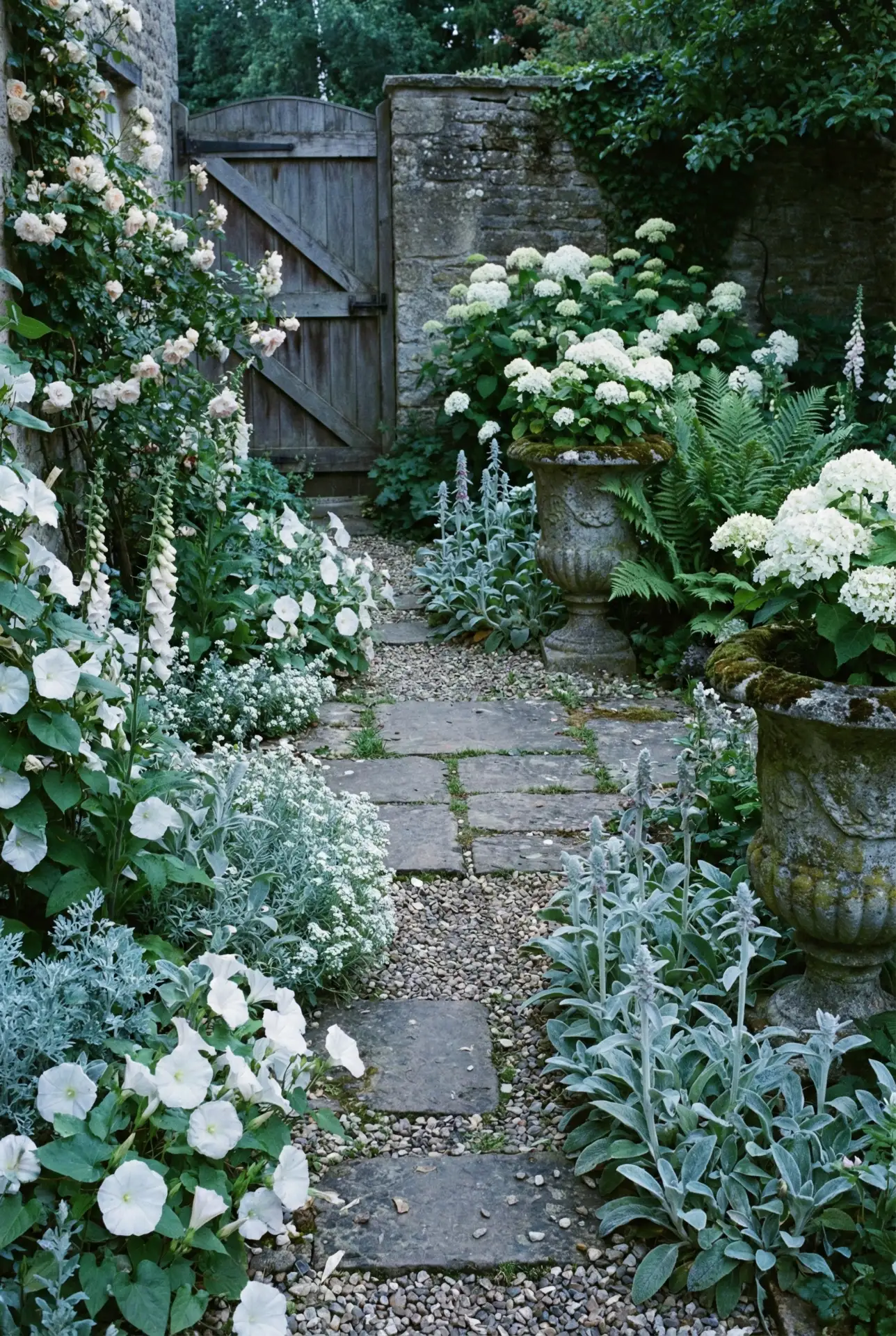
A moody witch-inspired cottage backyard can feel enchanted with silvery foliage, night-blooming flowers, and stone paths that glow softly at dusk. Garden design 2026 is embracing “moon ”gardens”—plants with pale leaves and white blooms that reflect light, plus tucked-away seating for late-evening lounging. Add rustic urn planters and climbing vines for storybook texture. 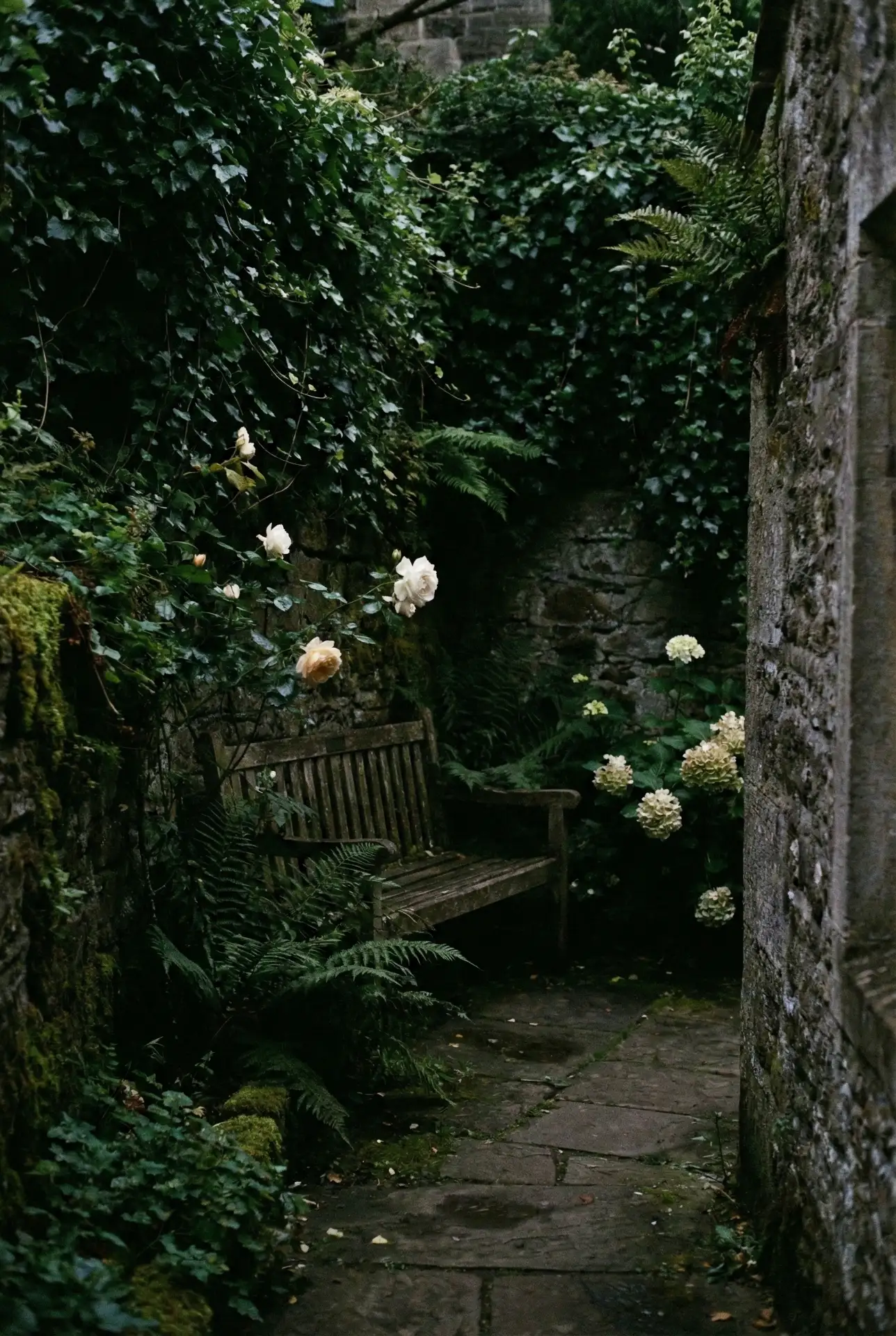
From an American lifestyle angle, this type of garden is great for the warm-season evenings when patios become the new living room. It supports low-key gatherings, quiet reading, or late-night tea. The best part is the look tends to be atmospheric, so a few scraggly plants won’t ruin the vibe—they’ll add to the charm.
21. Vegetable Courtyard Potager Layout
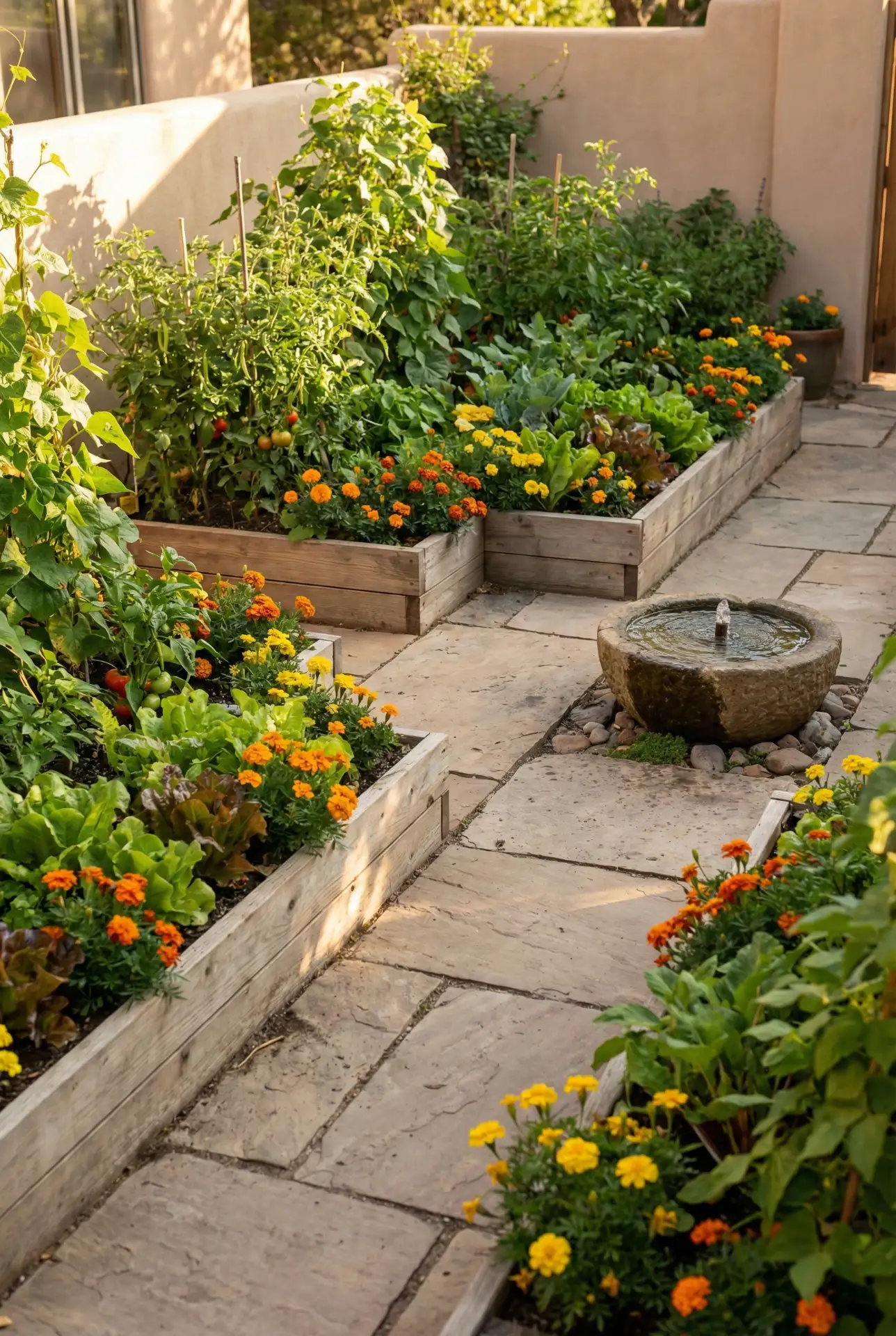
A courtyard potager brings edible beauty front and center, combining tidy beds of vegetable crops plus herbs and flowers within a structured layout. In garden design 2026, this is especially striking in a courtyard where pathways and elevated boxes provide clean geometry. To create a space that feels both productive and polished, add arched trellises for beans, clipped edging, and a small fountain bowl. 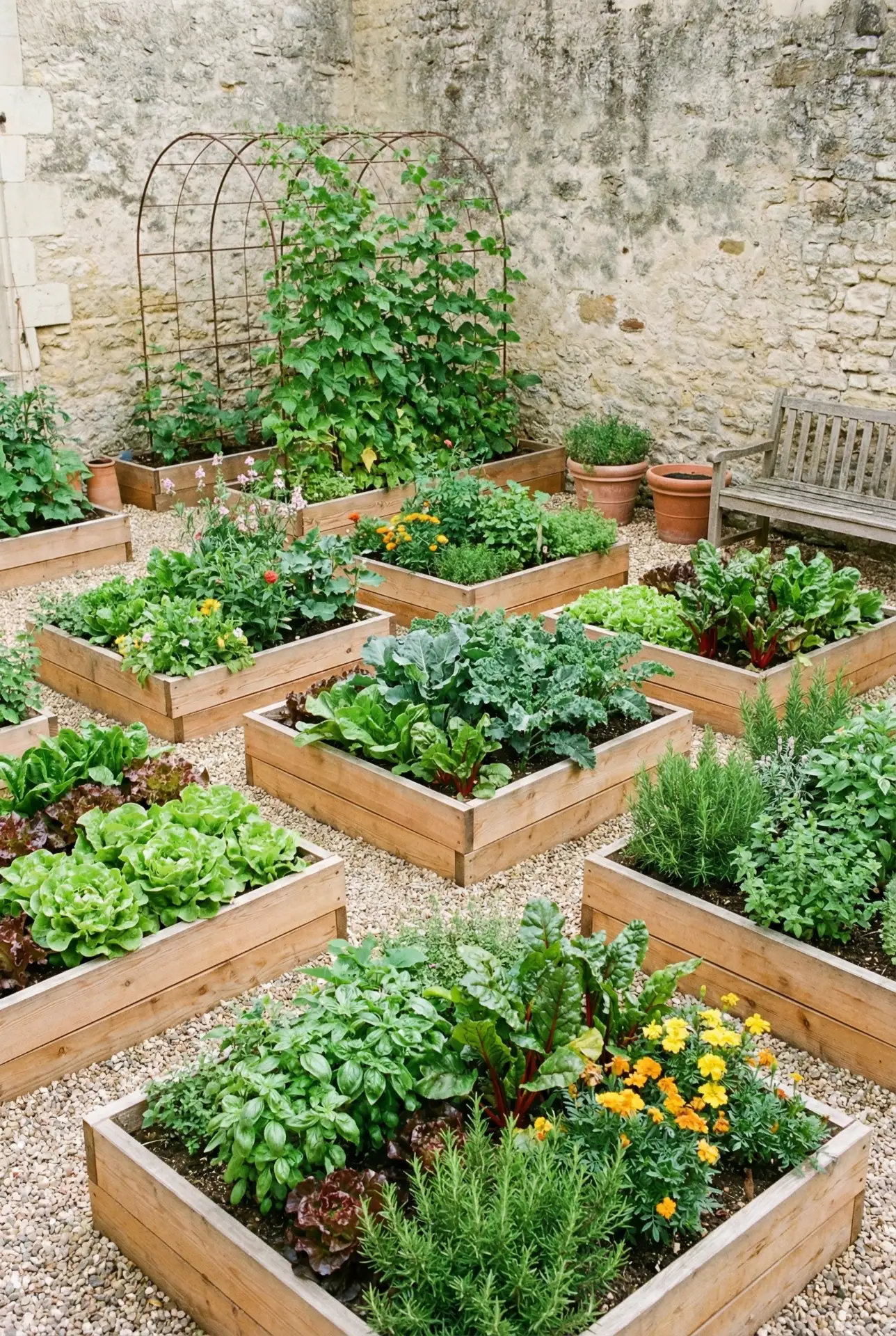
A very common mistake is to create beds that are too wide, which causes you to step into the soil and compact the roots. Keep beds narrow enough to reach the center from either side.
Additionally, create a corner for tools and a designated spot for compost so the courtyard remains uncluttered and serene.
22. Japanese Terrace With Stepping-Stone Zen Path
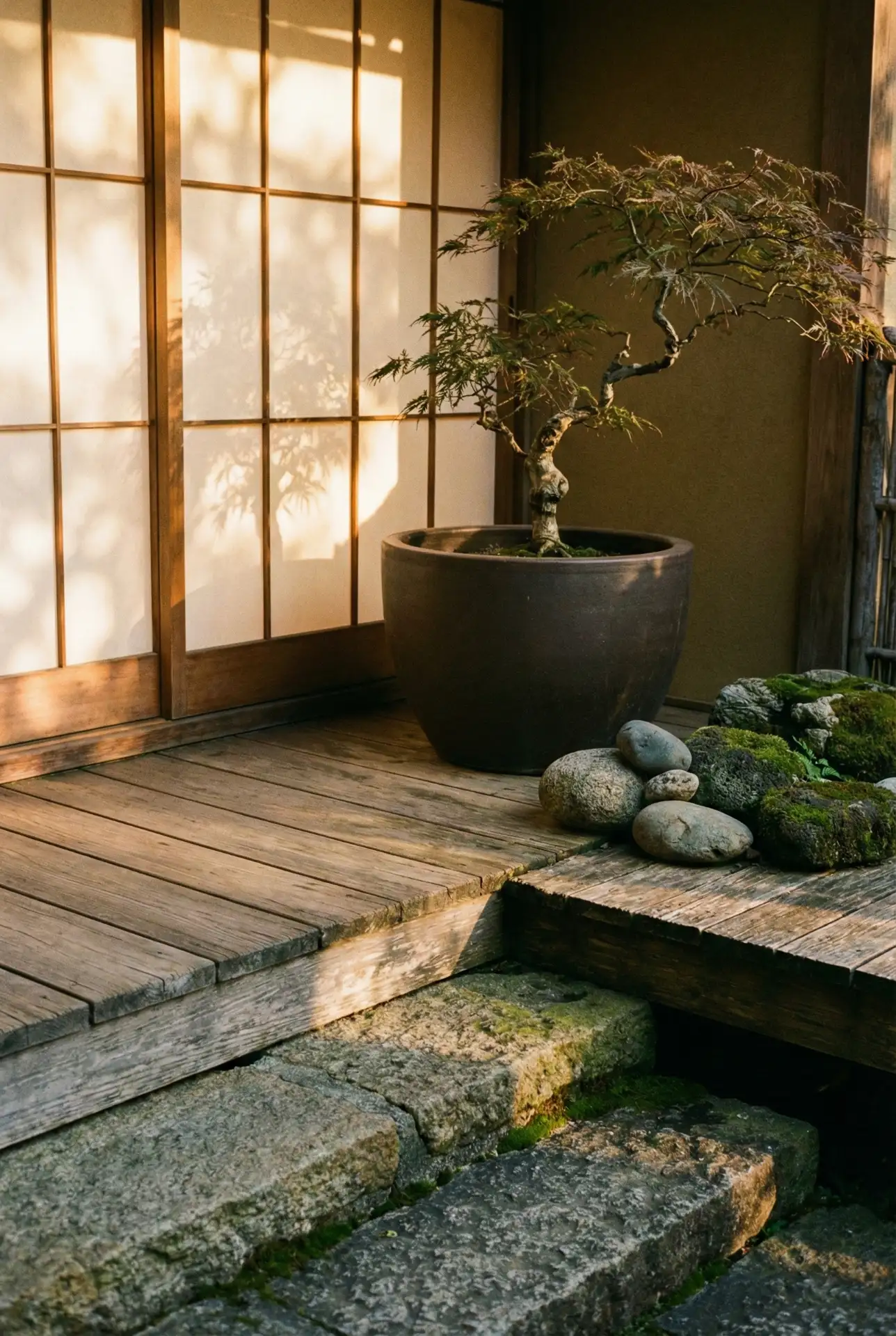
A calm Japanese terrace feels expansive with a stepping-stone Zen path that guides the eye. Garden design 2026 uses this trick in small outdoor spaces: stones set in gravel or moss create movement without crowding. Pair it with low shrubs, a stone lantern silhouette, and a simple bench so the terrace becomes a quiet, daily reset spot. 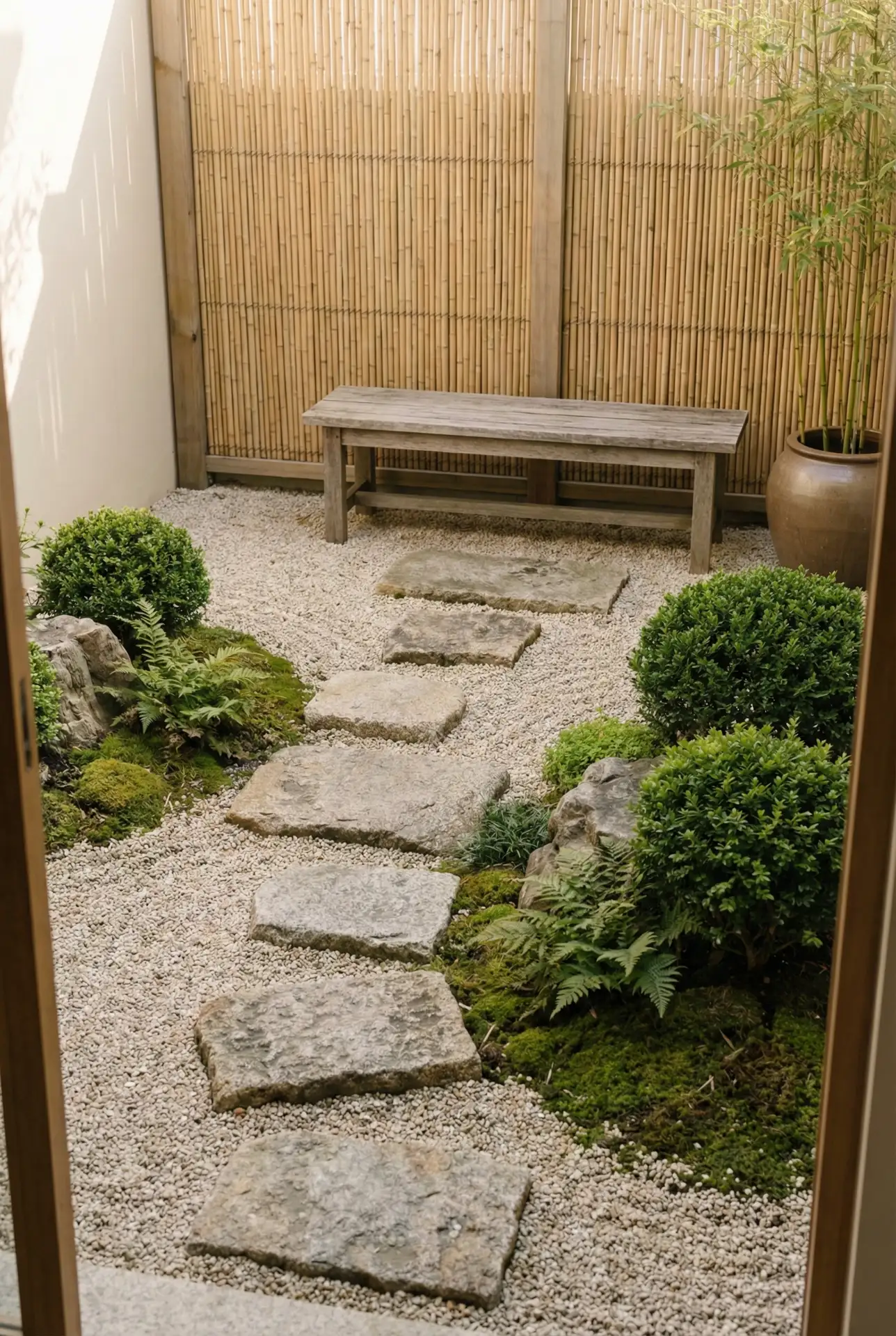
Where it works best is in terraces that feel boxy or visually “stuck.” A path—even a short one—adds a sense of journey and makes the space feel longer. If you’re in a rainy region, choose textured stones for grip and keep gravel borders slightly raised to prevent washouts.
23. Rooftop French Rose Container Garden
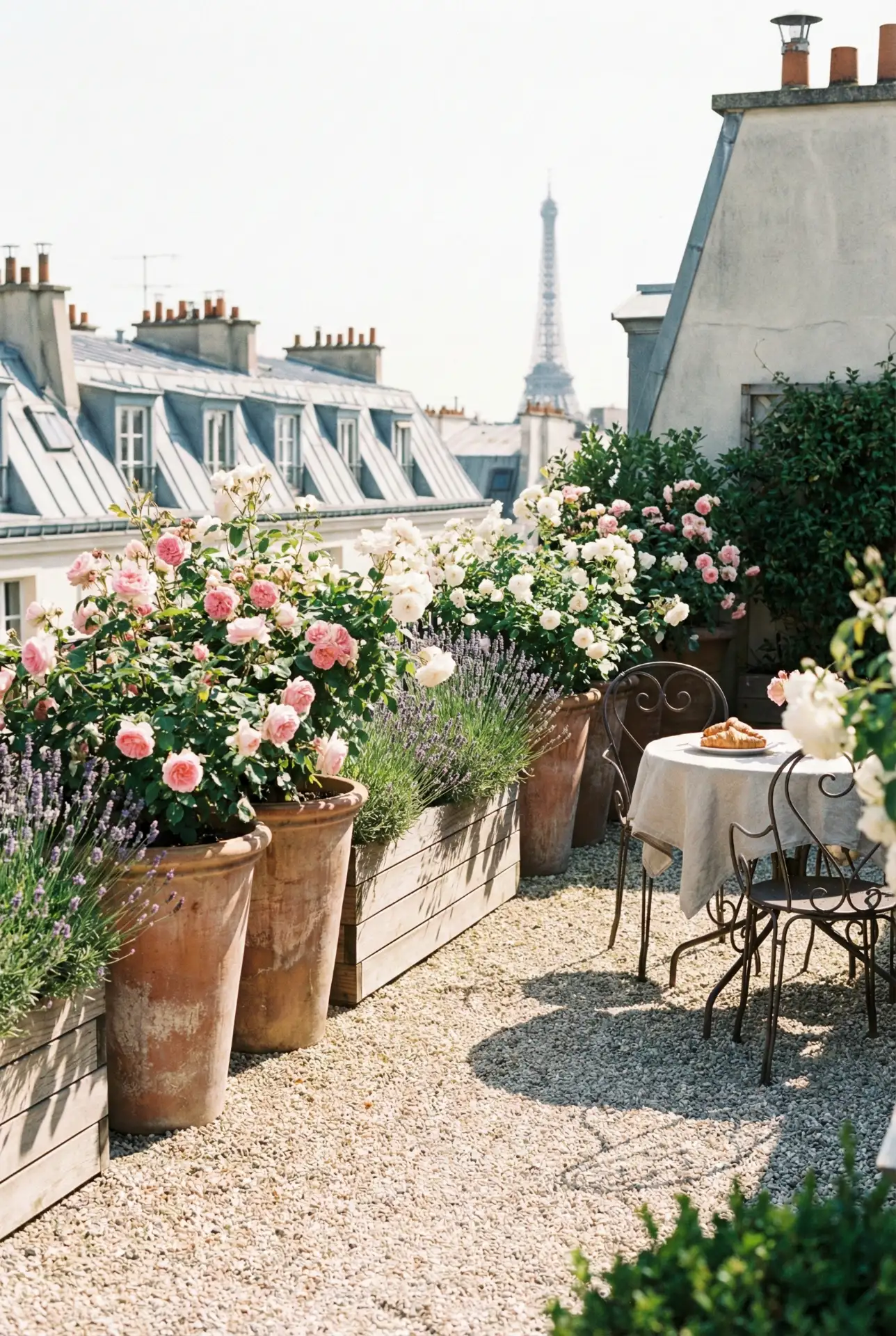
A rooftop container garden can still feel romantic with French-leaning styling and fragrant rose varieties in large pots. Garden design in 2026 favors layered containers—tall roses, mid-height lavender, and trailing greenery—so the roof reads lush without heavy built-ins. Add a slim café set, soft neutral textiles, and a gravel strip for that airy, European terrace vibe. 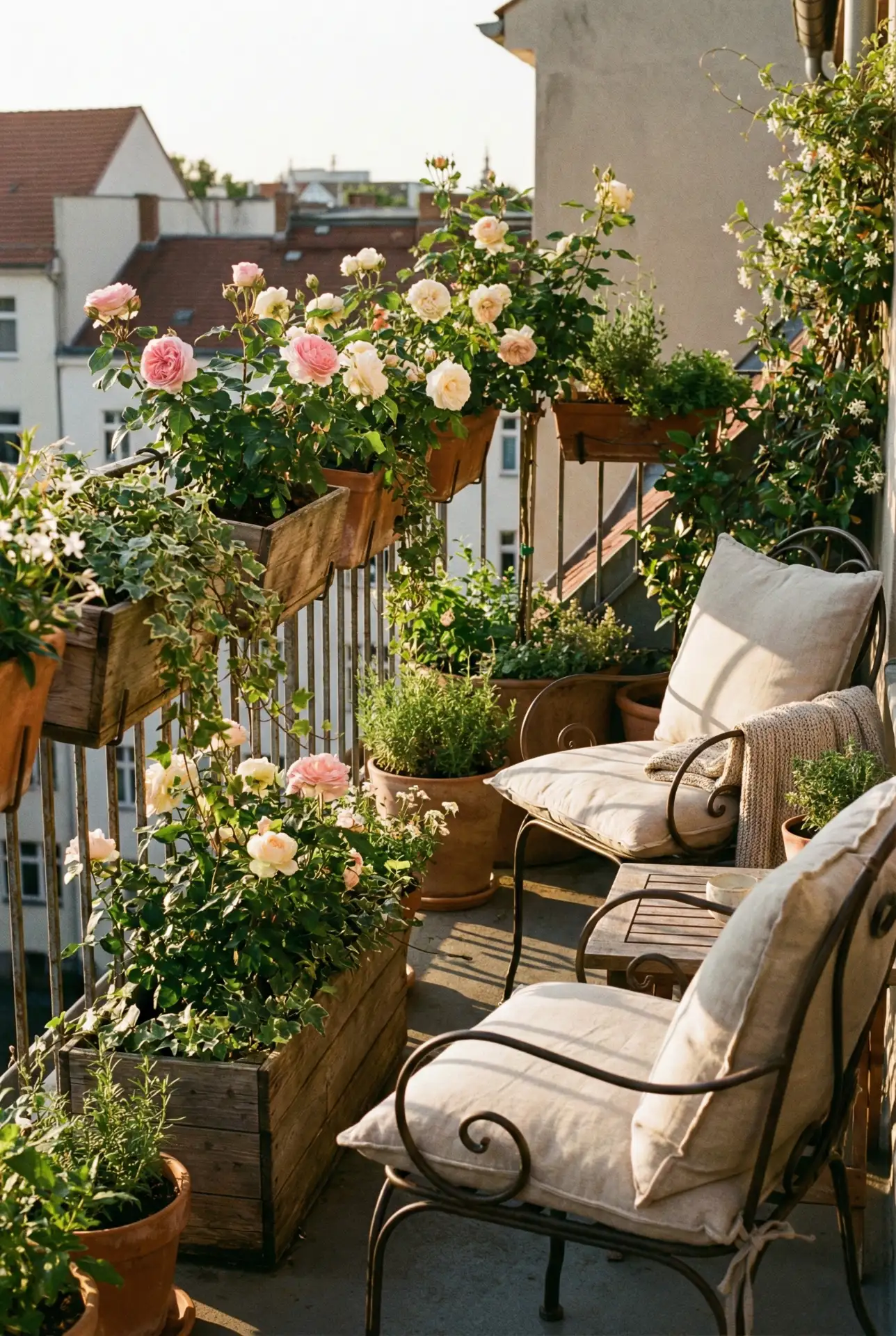
Designers often point out that container roses look best when the pots are oversized and consistent in tone. Matching planters create cohesion, while the plants provide the color. Use a simple drip line or self-watering inserts to keep roses thriving on sunny rooftops where wind dries soil quickly.
24. Modern Tropical Front Yard Entry Frame
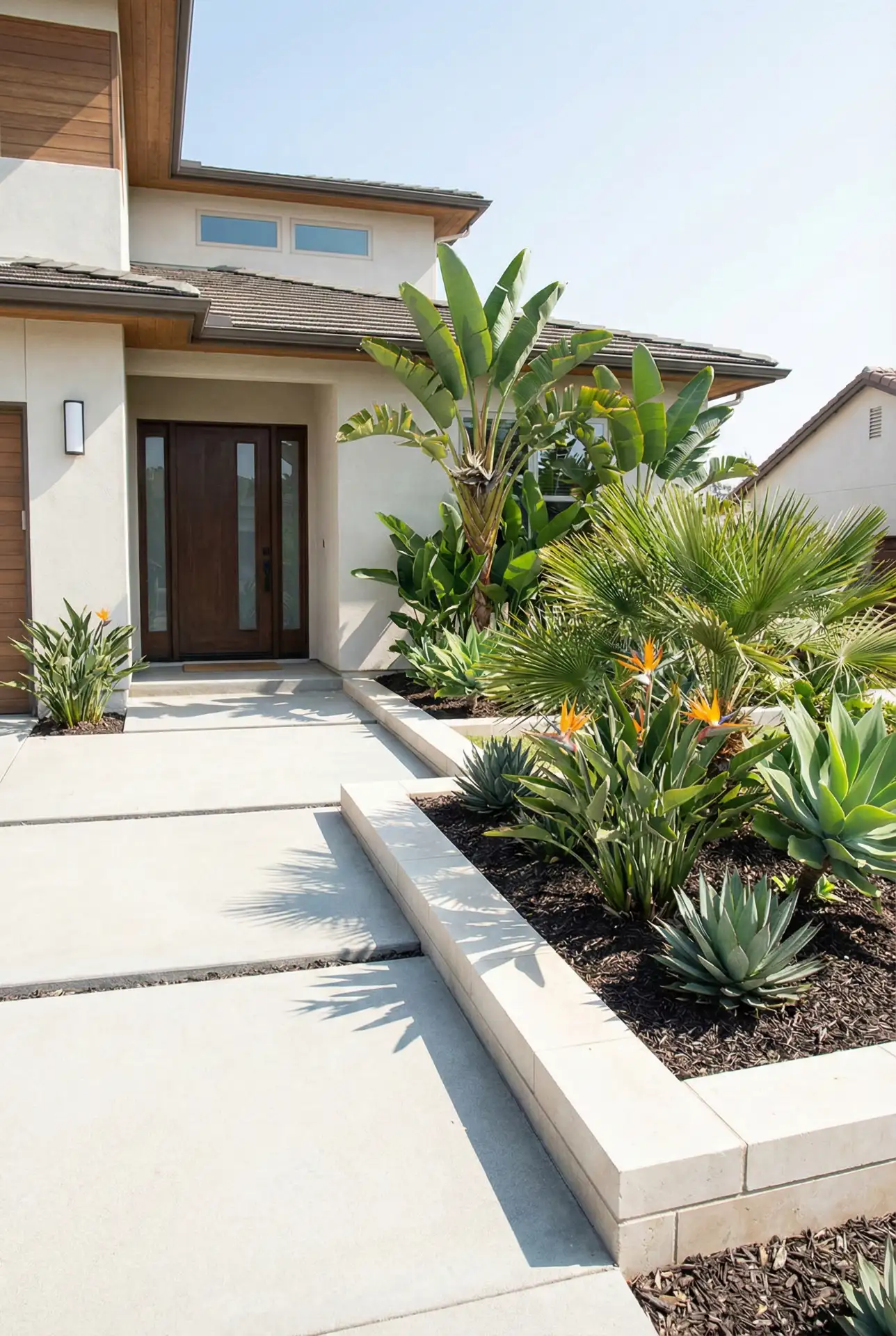
A front yard entry can feel instantly elevated with a modern tropical frame: bold-leaf plants, clean edging, and a confident, symmetrical approach. In garden design 2026, this means grouping palms and lush greenery near the walkway, then balancing them with crisp stone borders and warm-toned mulch. The result feels resort-like while still polished enough for everyday curb appeal. 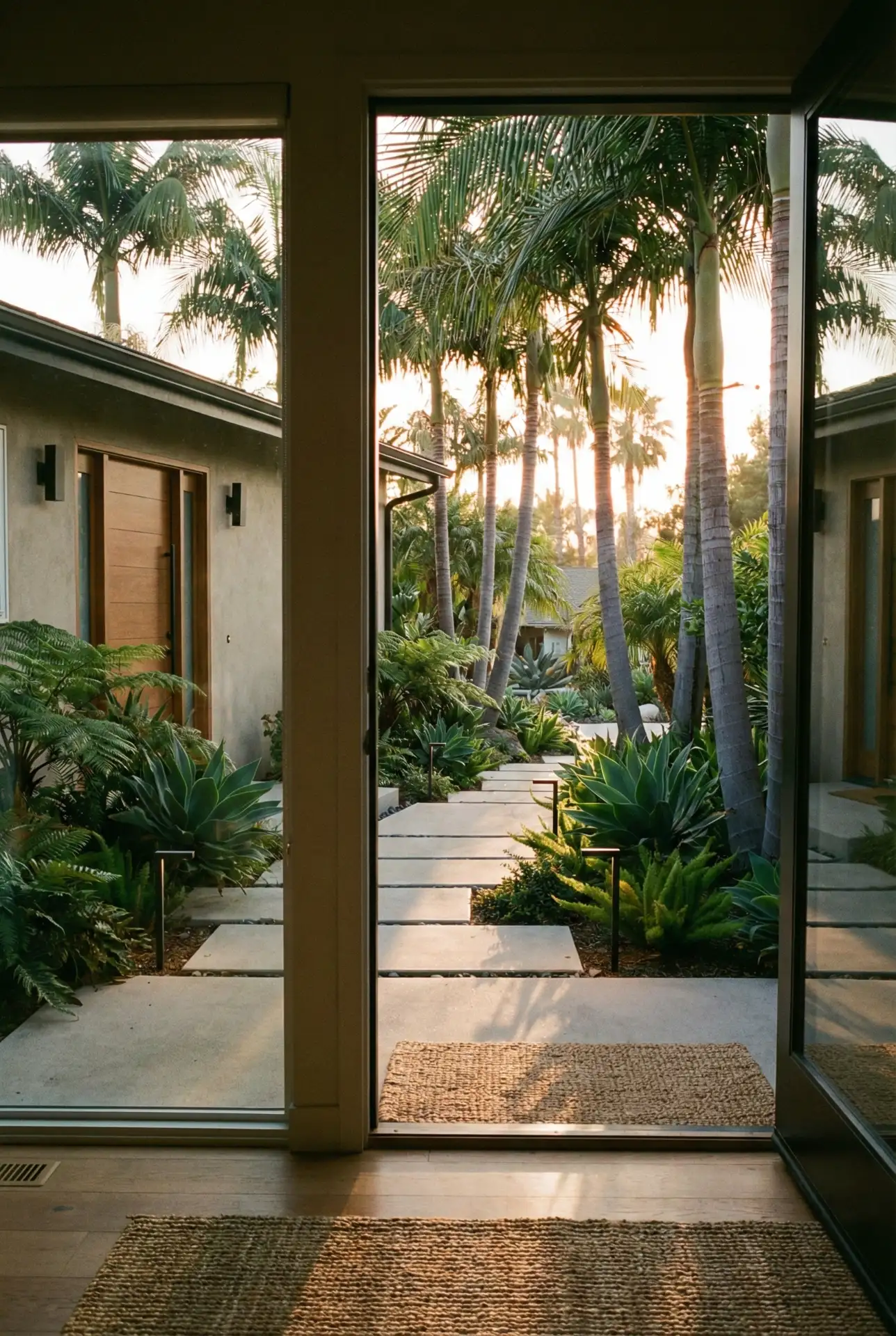
Budget/price angle: The fastest way to get impact without overspending is to buy fewer, larger statement plants instead of many small ones. A couple of bold palms or oversized tropical shrubs can anchor the design, while affordable ground cover fills gaps. Mulch and simple edging do a lot of “design work” for a relatively low cost.
Garden design in 2026 is all about creating outdoor spaces that feel personal, livable, and beautifully intentional—whether you’re working with a tiny terrace, a front yard refresh, or a full backyard layout. Try one idea at a time, notice what fits your home and your routine, and let the garden evolve naturally through the seasons. If you’re planning updates this year, tell us in the comments which style you’re drawn to most and what you want your garden to feel like.