Every year brings a new wave of color stories to American exteriors, but 2026 is shaping up to be especially intriguing. Pinterest searches are soaring as homeowners crave curb appeal that feels personal, rooted in nature, and warm rather than trendy. This guide breaks down the exterior house colors poised to define the year—with practical, inspiring ideas designed for real homes and real budgets. Whether you’re renovating or just exploring possibilities, these 10 ideas will help you reimagine your façade with confidence.
1 Warm Modern Cottage Neutrals
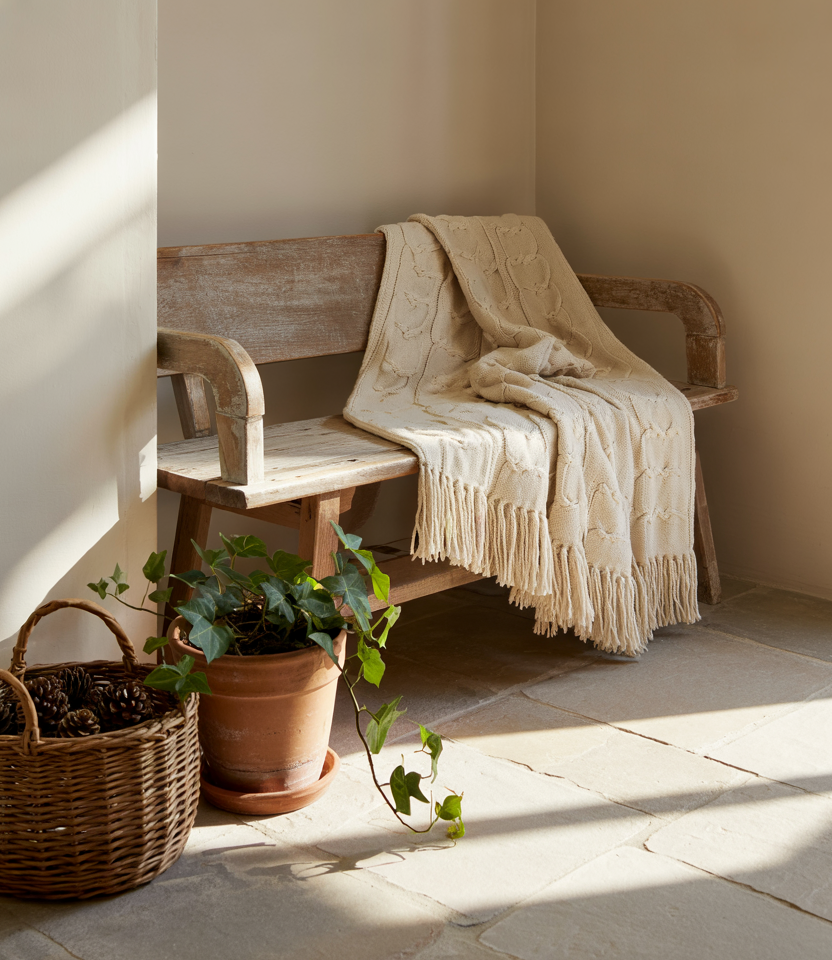 Soft cottage-inspired palettes are shifting from bright whites to gentler neutrals with organic character. Pairing warm siding with natural textures feels welcoming without leaning rustic. Shades like cream and mellow beige blend beautifully with gardens and stonework, giving homes a quietly polished presence that suits everything from craftsman bungalows to new builds.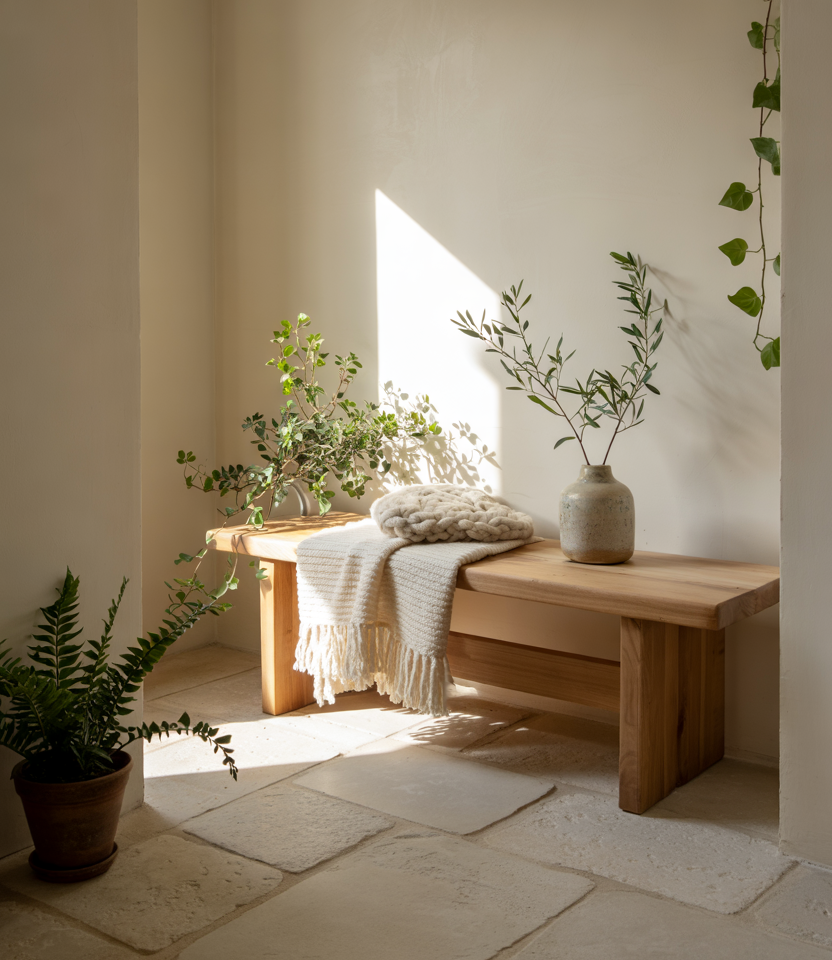
2 Sage-Infused Modern Farmhouse
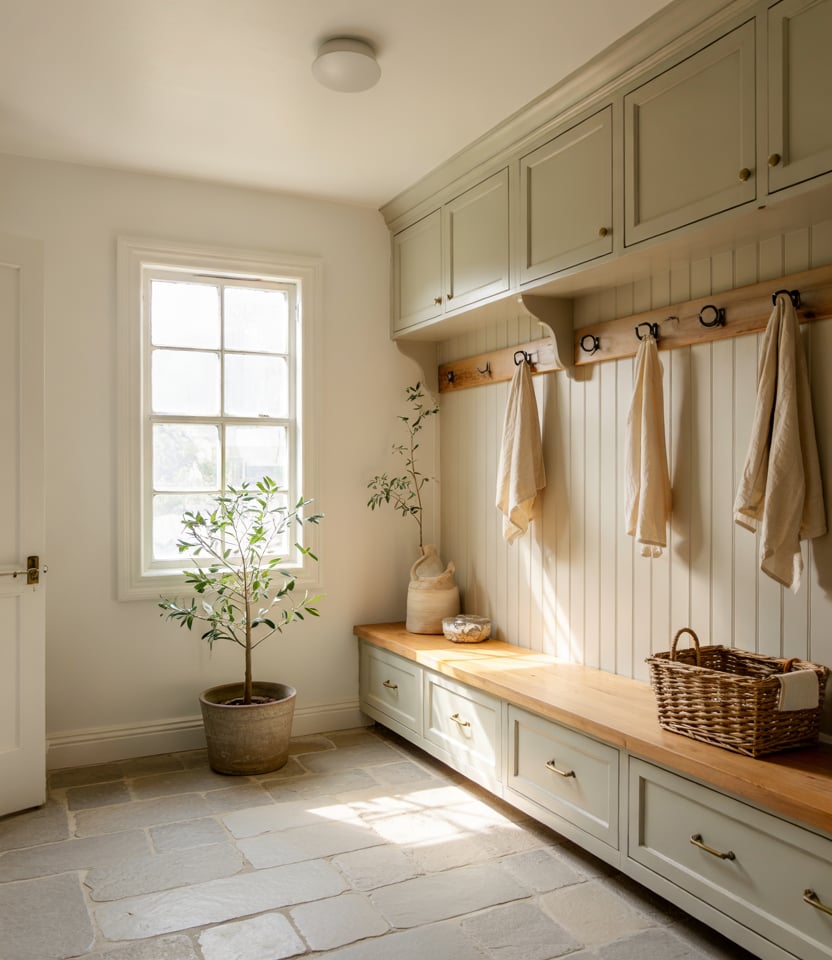 Sage continues its quiet rise in 2026, especially for modern farmhouse exteriors. The shade is approachable yet refined, pairing effortlessly with warm woods and matte black accents. Integrating touches of sage green, muted stone, or soft grey gives a farmhouse silhouette updated freshness while remaining grounded and timeless.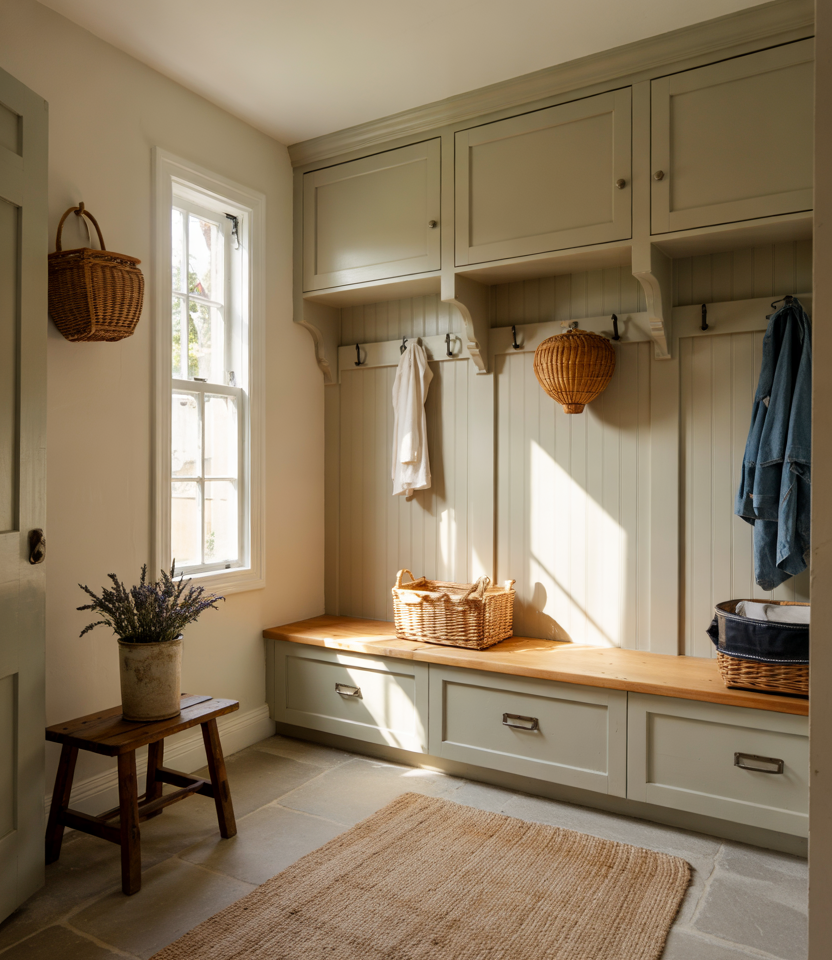
3 Moody Coastal Blues
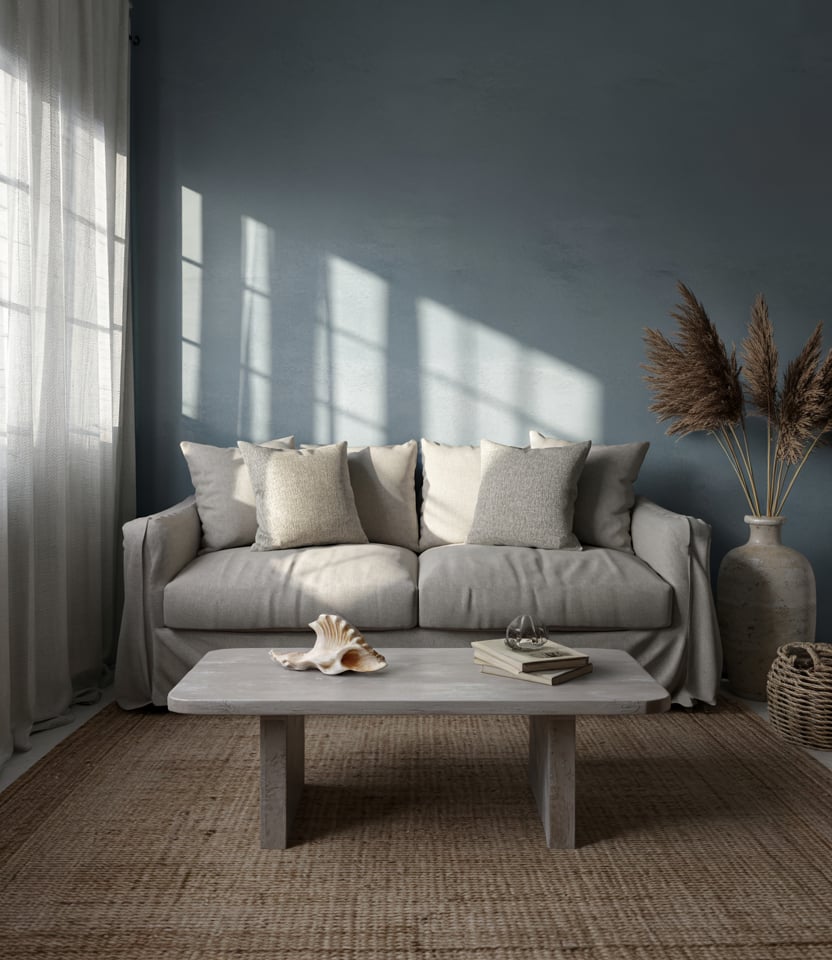 Coastal design is shifting moodier, with deeper tones adding sophistication to beach-adjacent homes. Instead of bright nautical colors, homeowners are embracing nuanced hues like dark blue, stormy blue-grey, and softened coastal palettes for a grounded, modern look. These shades feel elegant without sacrificing the relaxed charm people love about coastal living.
4 Earthy Desert Tones
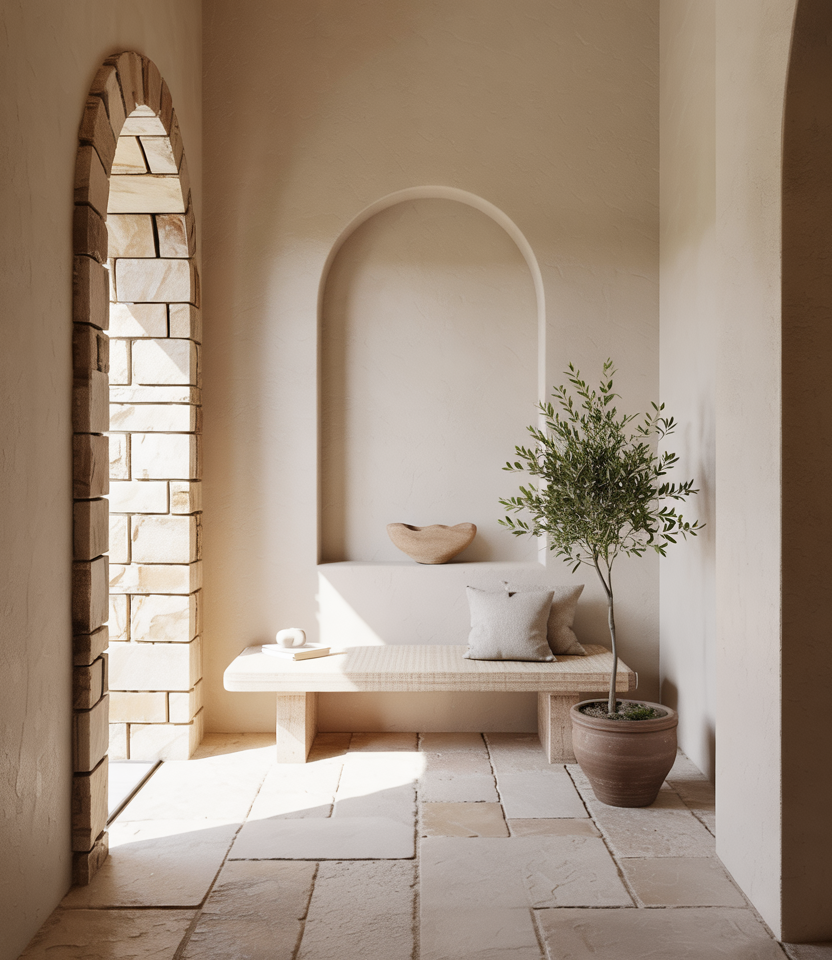 Influenced by Western and desert landscapes, earthy palettes are gaining traction far beyond the Southwest. Warm terra shades blend gracefully with drought-tolerant landscaping and simple architectural forms. Hues like earth-tone clay, soft brown, and sun-washed stone feel calm and organic, bringing a sense of grounded comfort to contemporary and mid-century homes.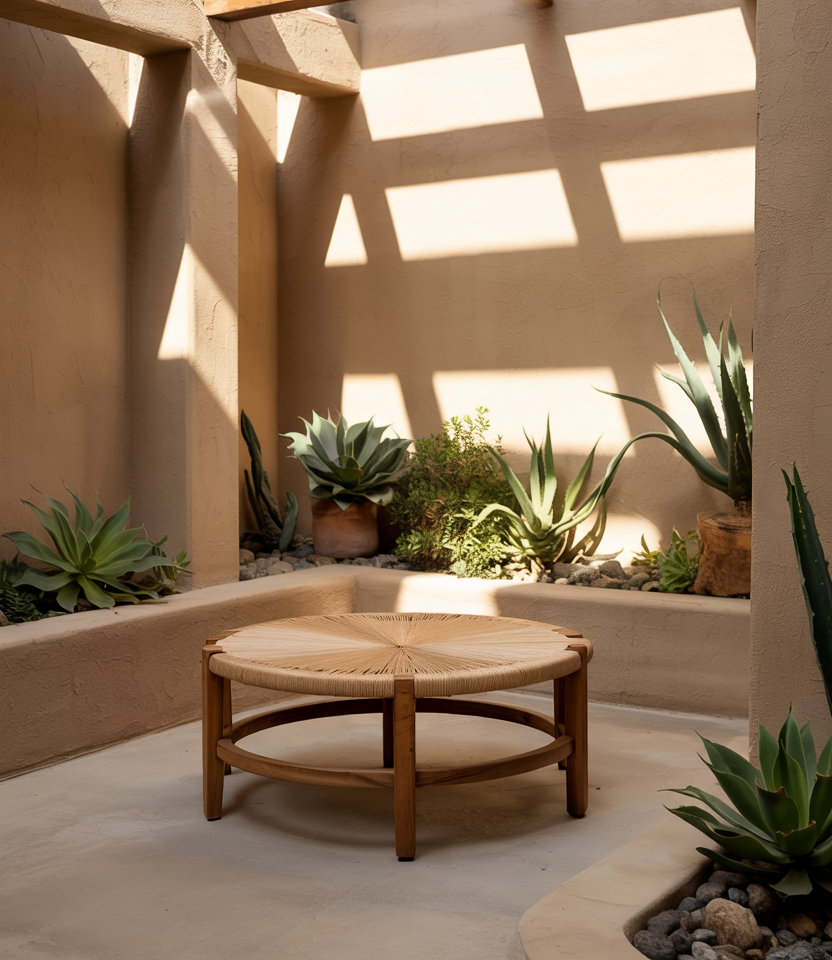
5 Greige for Suburban Classics
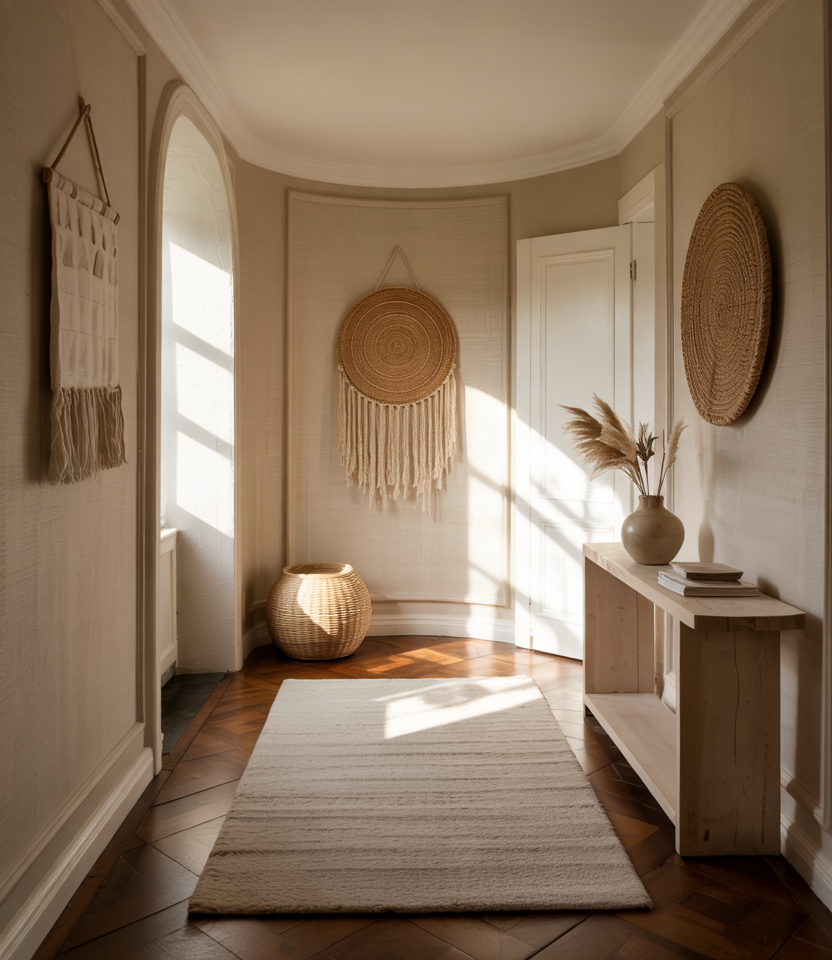 Greige continues its steady rise because it bridges cool and warm families without committing too strongly to either. This makes it ideal for traditional American suburbs where homes vary in style. Pairing soft greige siding with accents of cream or muted grey helps exteriors feel updated yet familiar, a balance many neighborhoods appreciate.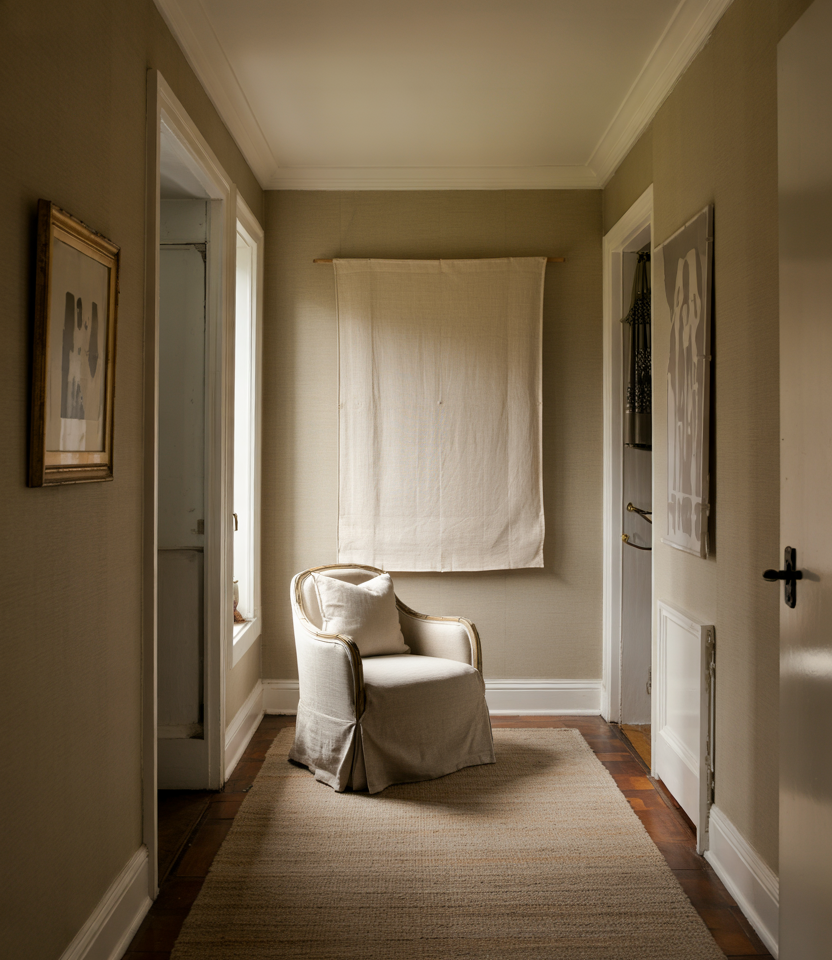
6 Deep Forest Greens
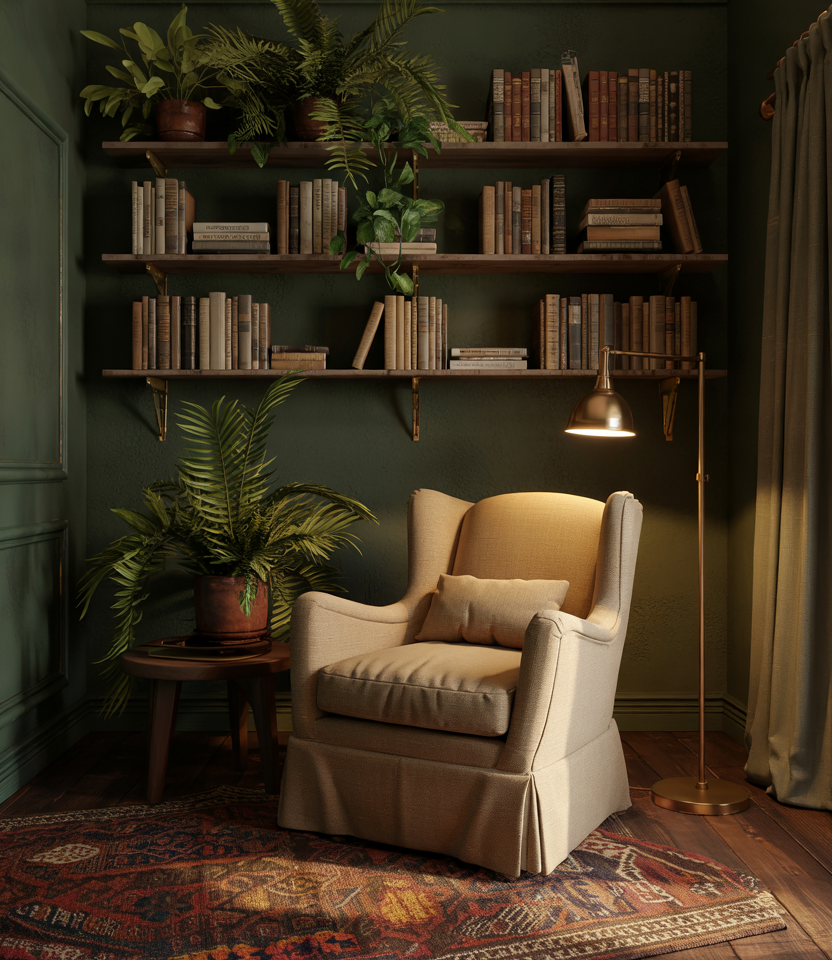 Americans are more interested in deeper, moodier greens than the jewel-toned styles of the past. Today’s preferred greens lean earthy and organic. Shades of olive green, muted green, and deeper dark blends echo forest canopies and look stunning against natural wood and stone. They add drama while remaining deeply connected to nature.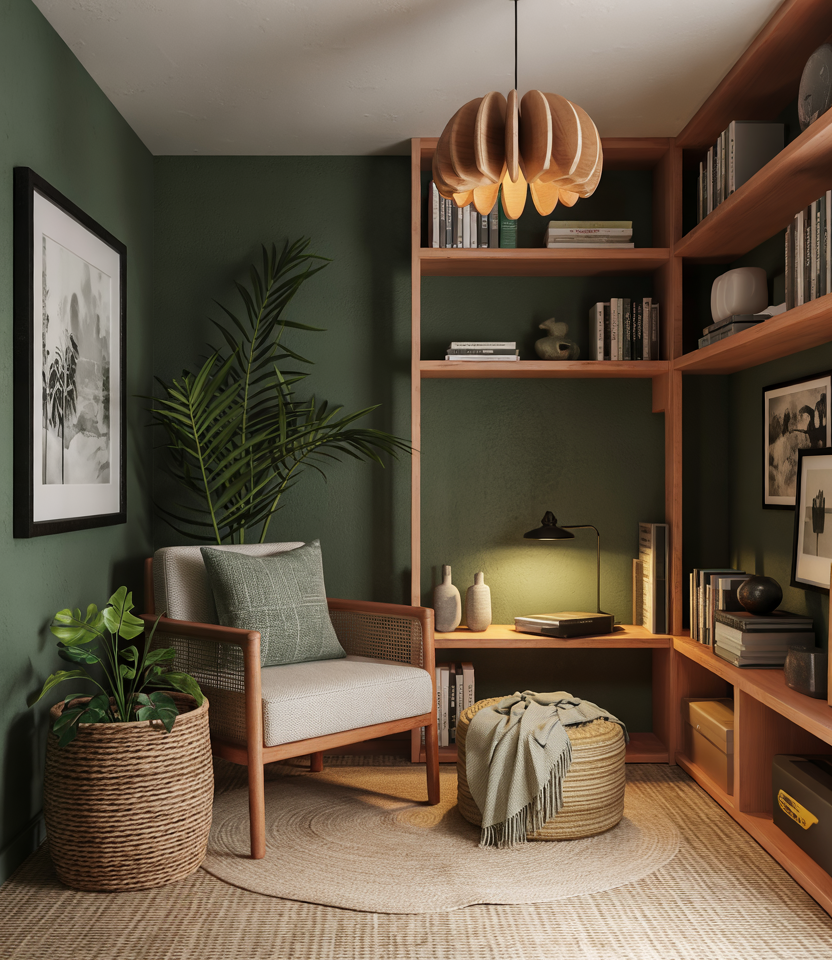
7 Rustic Cabin Reinventions
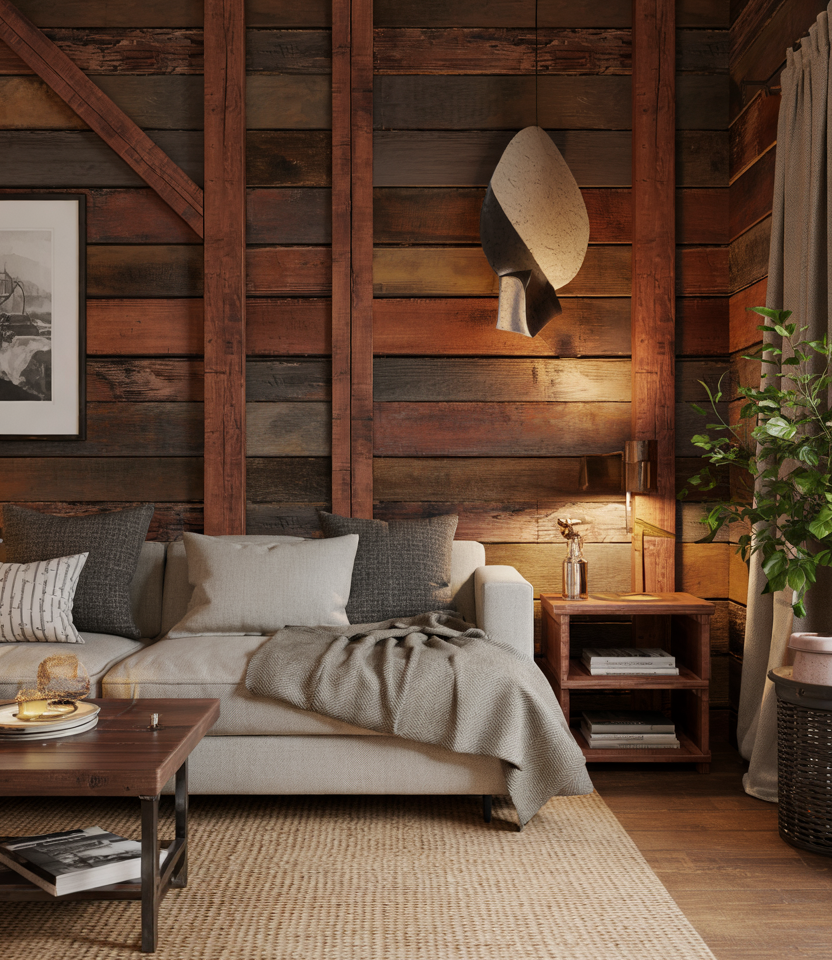 Cabin- and lodge-inspired exteriors are trending outside traditional vacation regions. Blending weathered textures with warm tones brings a lived-in character that feels comforting. Using colors like rustic brown, deep dark brown, or earthy brown can bring depth without overwhelming the architecture, especially when paired with stone or wood beams.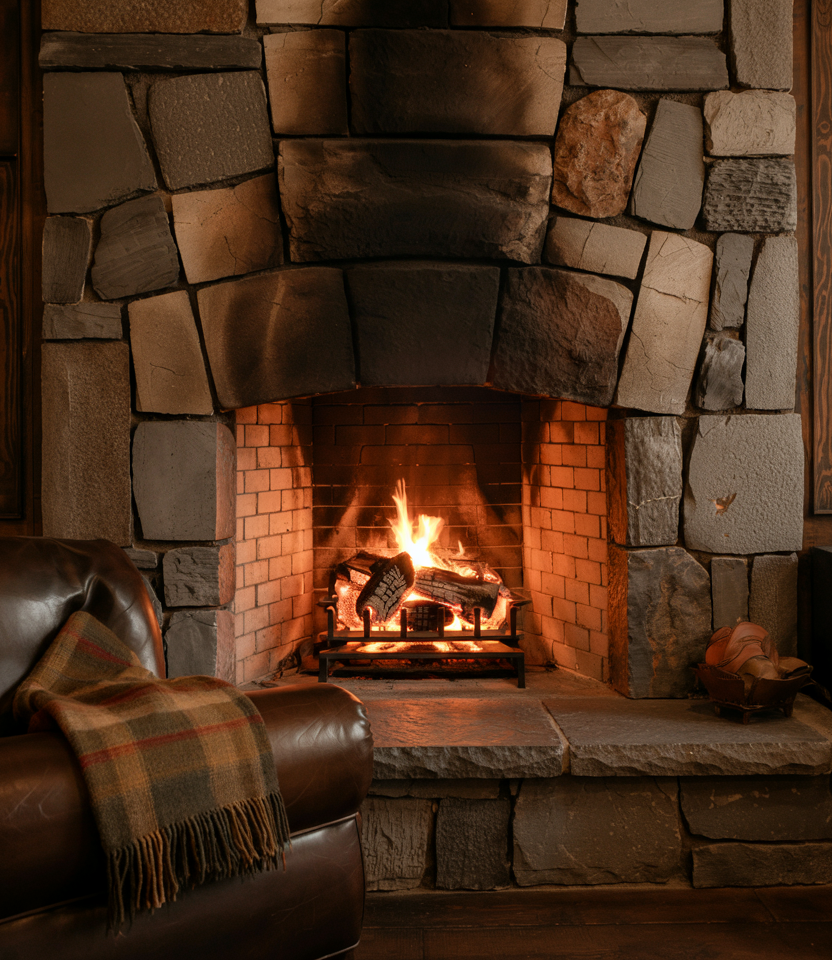
8 Soft Blue-Grey Moderns
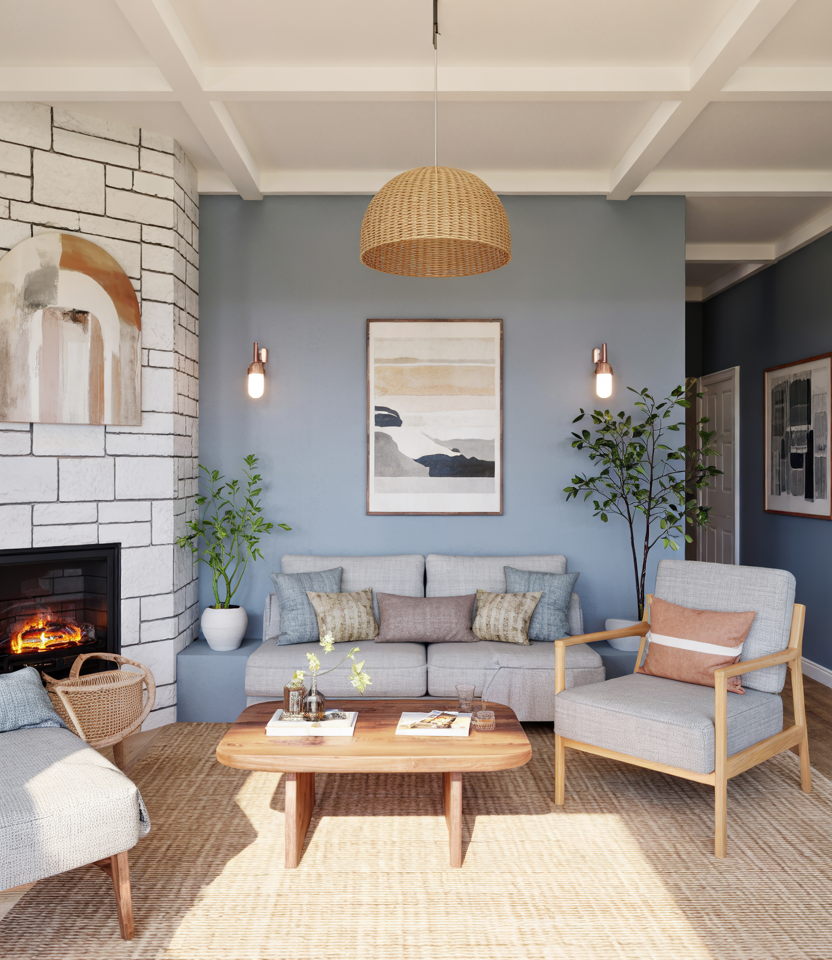 Blue-grey is becoming a favorite for homeowners wanting a cool palette that still feels welcoming. It’s airy but not pastel, modern but not severe. Blending softened blue grey with touches of grey and pale stone trim creates a refined façade that plays beautifully with both warm and cool surroundings.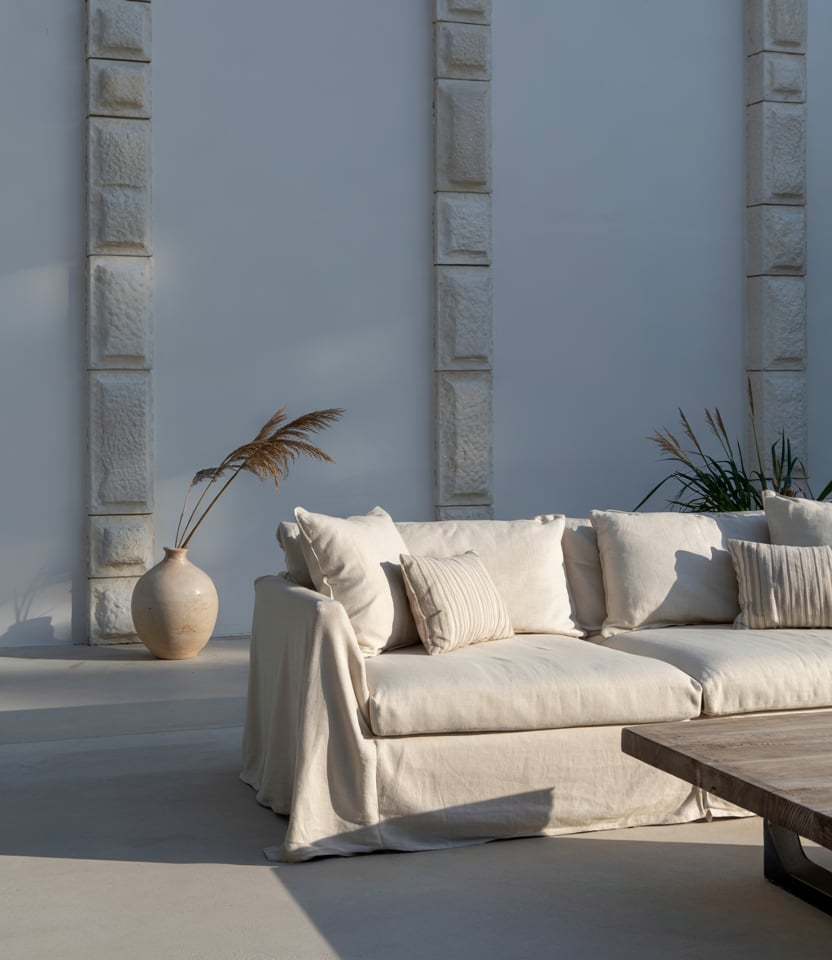
9 Indian-Inspired Warm Fronts
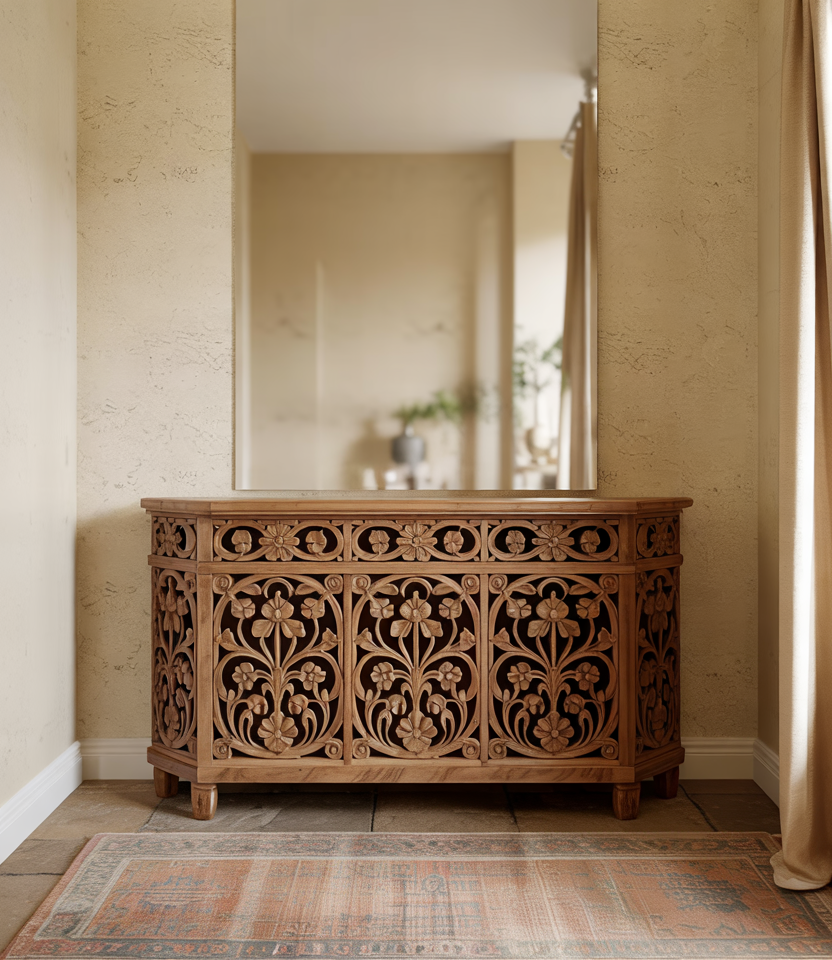 Indian-inspired color palettes are making their way into American exteriors as homeowners embrace richer cultural influences. Warm neutrals paired with clay, turmeric, or deep wood accents bring subtle vibrancy. Integrated thoughtfully with Indian-style details, soft cream tones, and grounding brown elements, the look feels welcoming, warm, and sophisticated.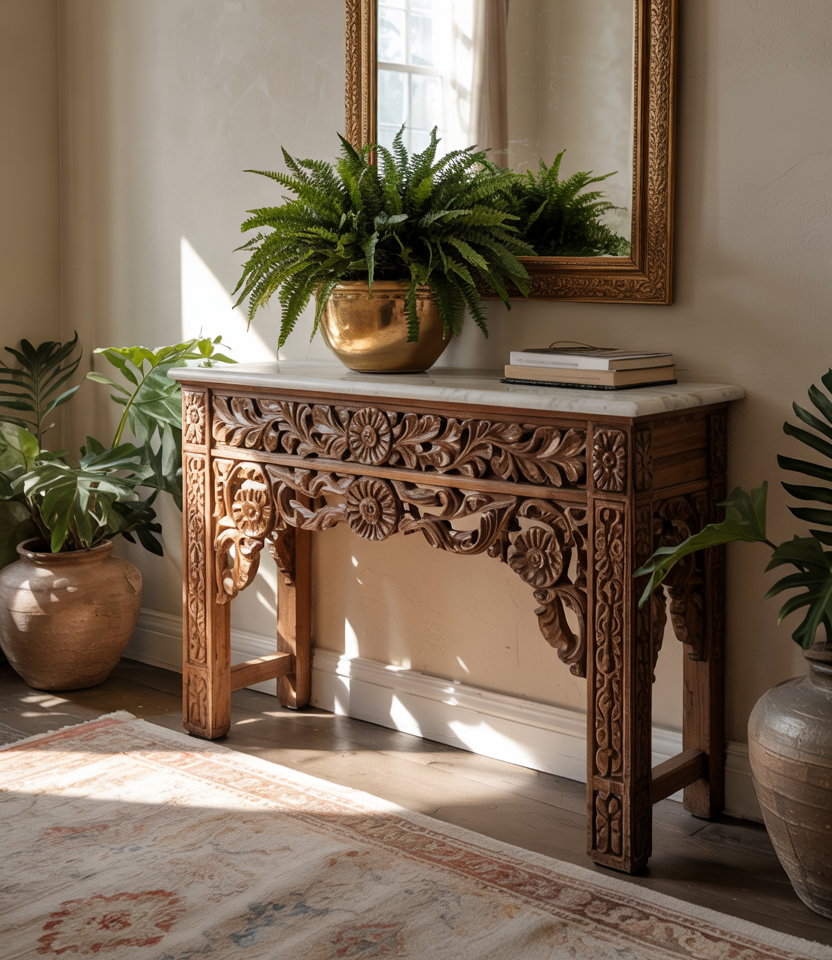
10 Creative Two-Tone Combinations
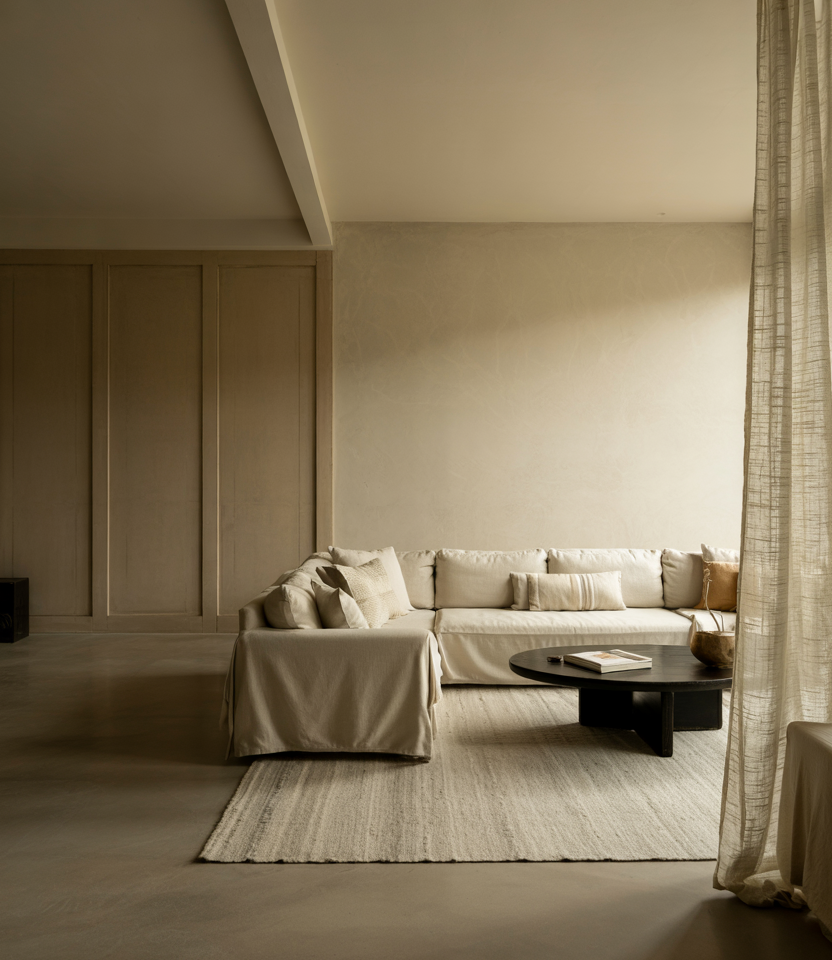 Two-tone exteriors continue to be a top request on Pinterest, especially for contemporary builds. Pairing layered hues adds dimension and helps define architectural lines. Combinations of muted combinations, soft grey, and cozy beige introduce contrast without harsh edges, making a house look both modern and neighbor-friendly.
11 Soft Browned Greige Transitional
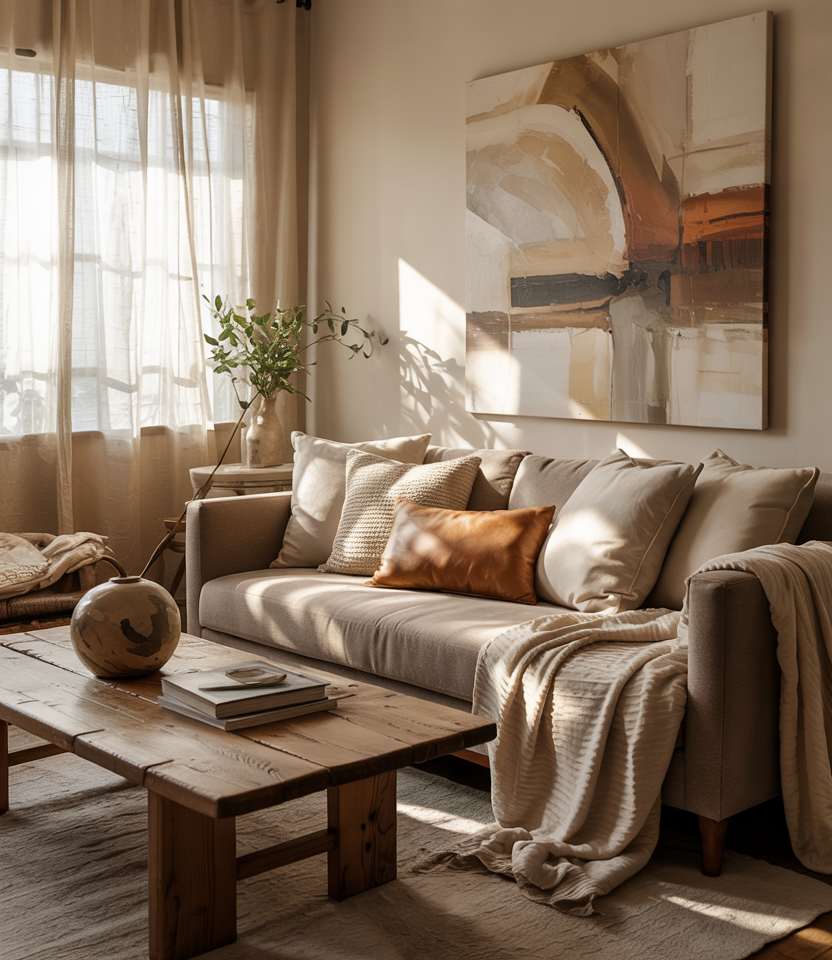 For homeowners craving something balanced yet distinctive, softened greige with a warm tint feels inviting without skewing too beige. Pairing subtle brown undertones with light greige or creamy trims creates a transitional exterior that works with many styles. It’s polished, warm, and flexible enough for both modern and traditional architecture.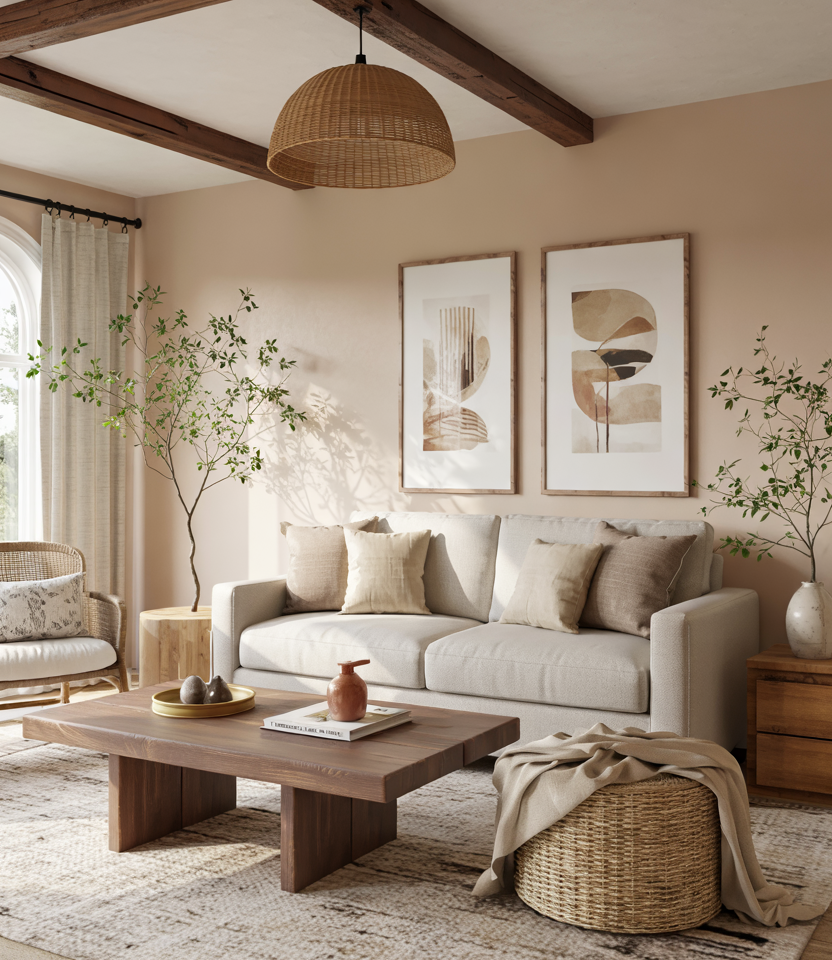
12 Deep Slate Modern Minimalism
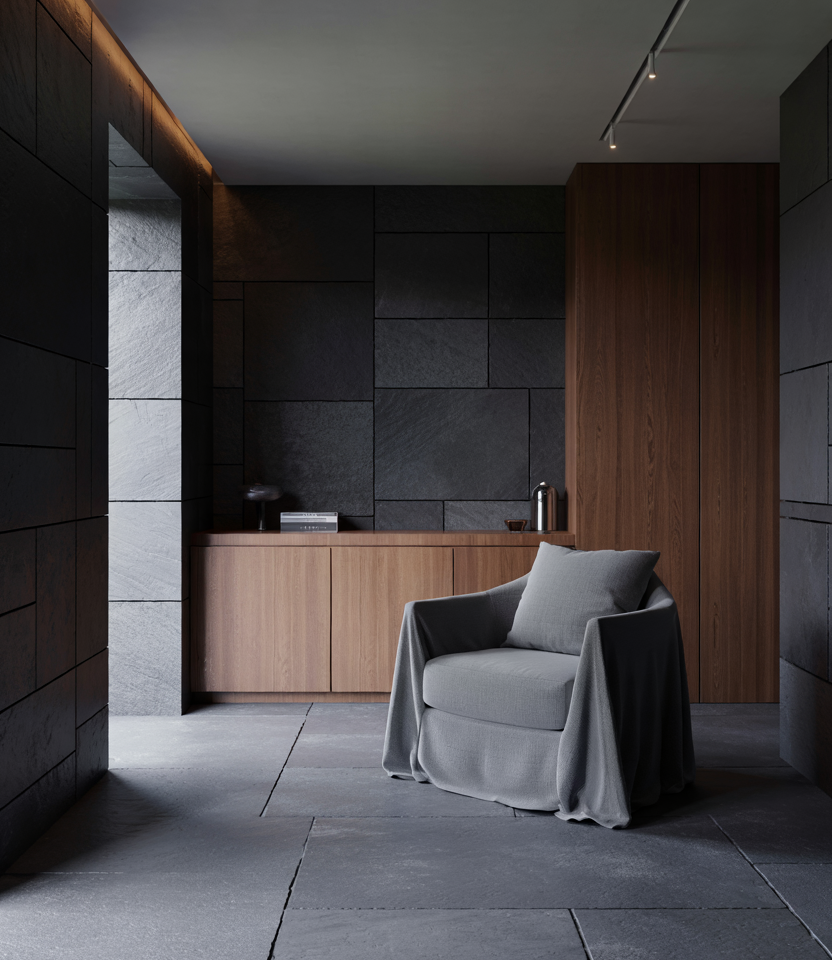 Modern minimalist homes are leaning into richer, shadow-like tones that still feel refined. Deep slates mixing hints of dark, softened grey, and near-black blue create a dramatic façade while maintaining warmth. These colors work beautifully on flat-panel siding, concrete accents, and streamlined architecture that relies on subtle shadow play.
13 Woodland Brown Craftsman
 Craftsman homes are rediscovering deeper organic hues that highlight their architectural details. Rich shades of brown layered with touches of dark brown or muted greens ground the façade and emphasize trim work, beams, and porch railings. The palette feels earthy and welcoming, ideal for neighborhoods with mature landscaping.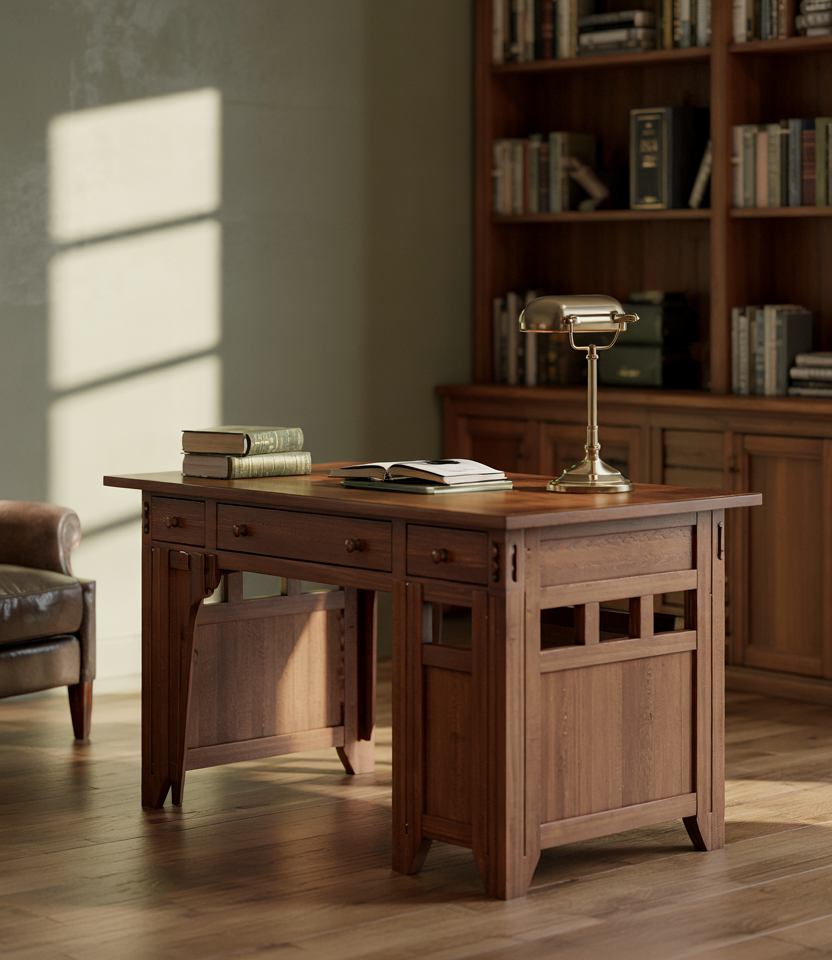
14 Coastal Cream with Muted Blues
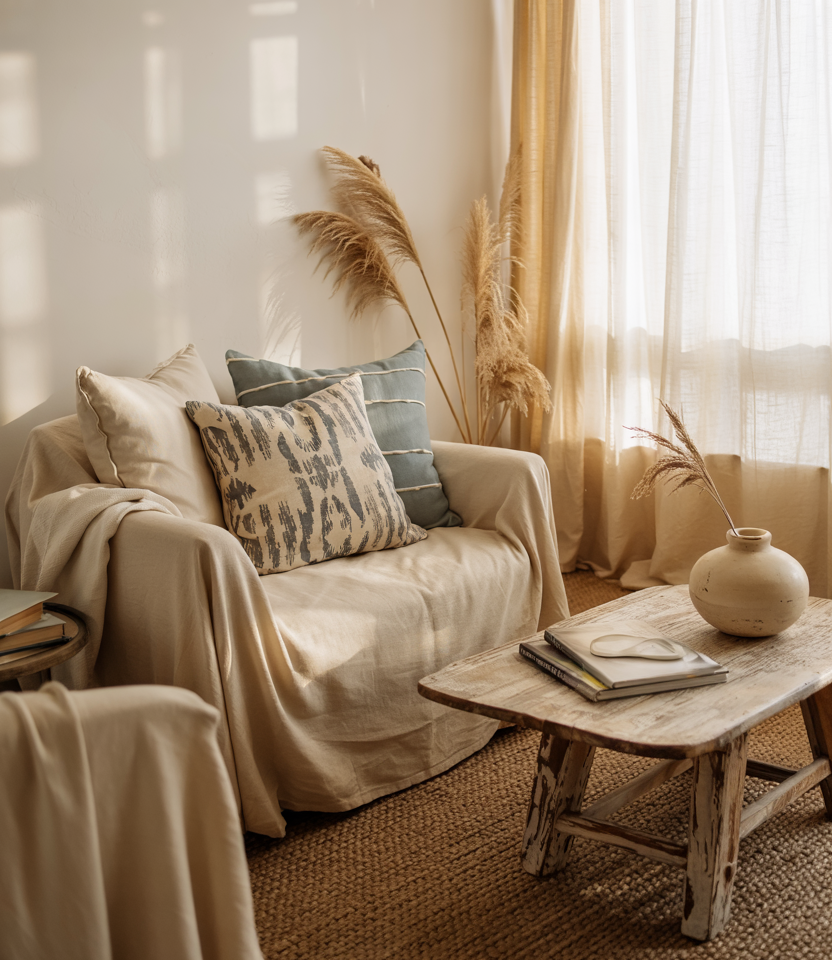 Coastal architecture is evolving beyond white-and-blue clichés. Soft cream siding paired with gentle blue or blue-grey accents offers a breezy look without feeling overly themed. This palette makes cottages, stilt homes, and modern beach builds feel fresh and contemporary while preserving classic coastal charm.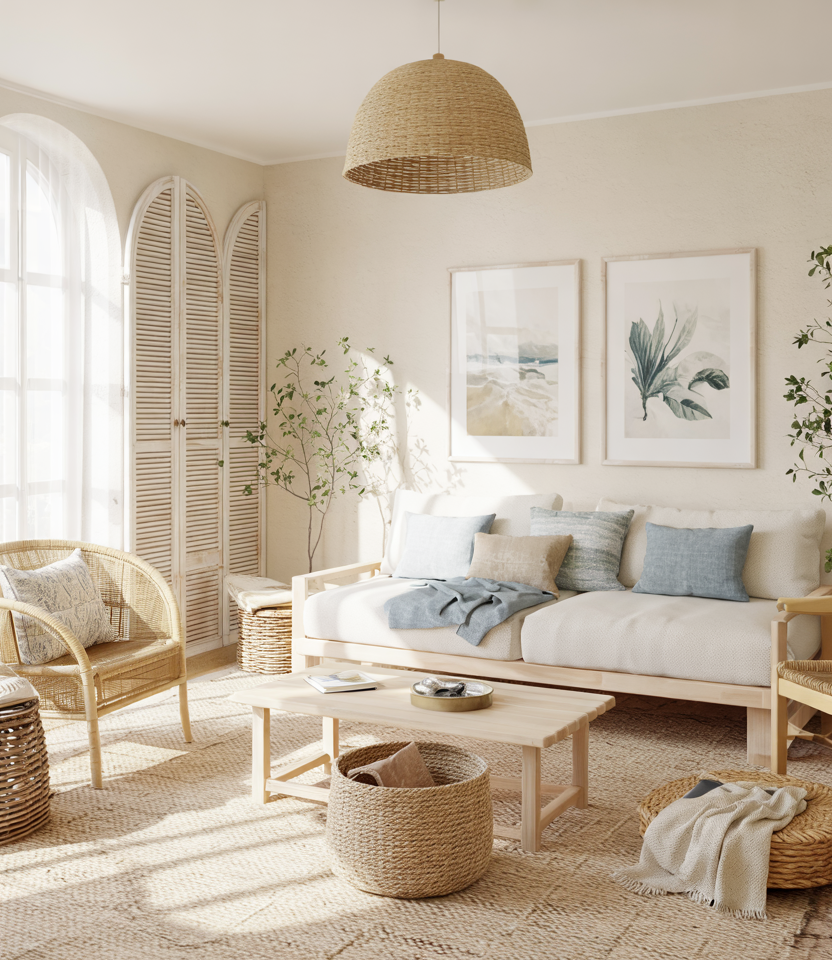
15 Moody Greige with Stonework
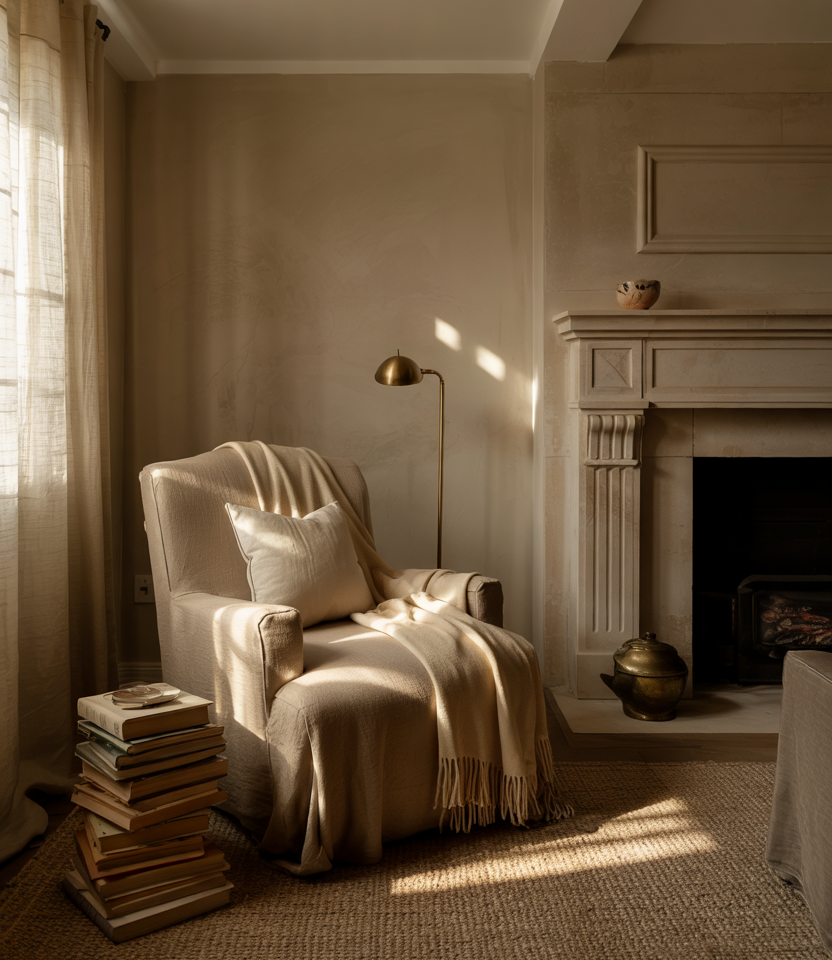 Homes with natural stone are increasingly leaning toward moody neutrals that blend, not compete, with the texture. Muted moody shades, balanced greige tones, and textured stone accents create a deeply layered exterior with an upscale feel. This palette is subtle enough for everyday homes but dramatic in the right light.
16 Olive and Cream Mediterranean Blend
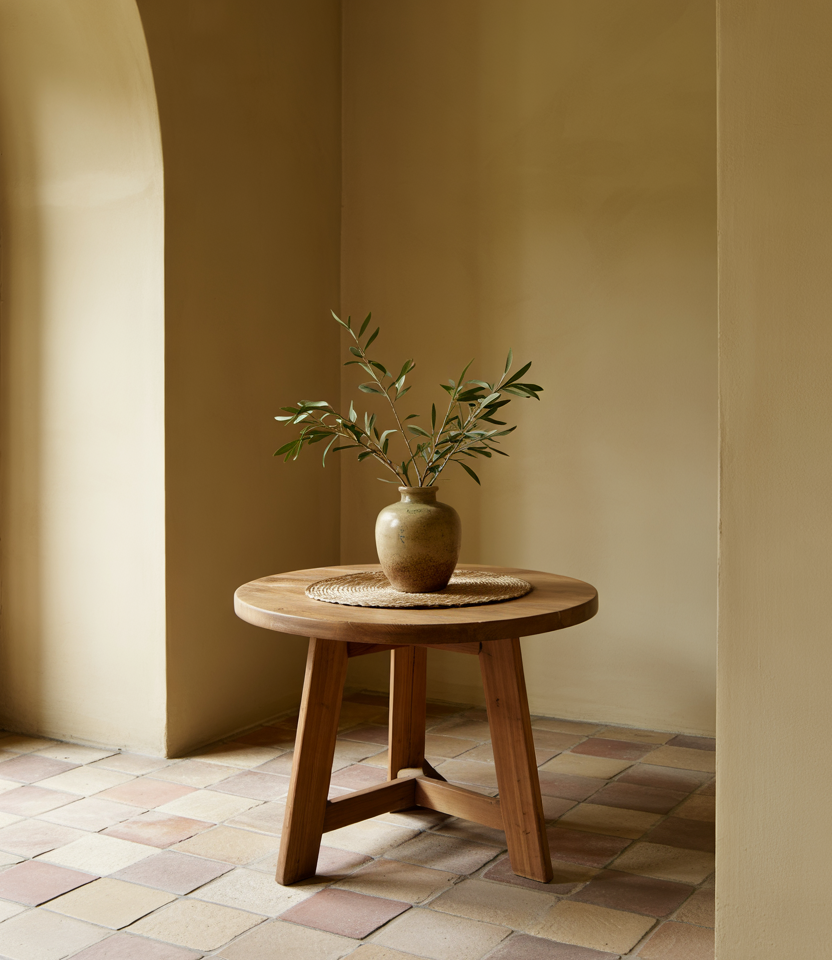 Mediterranean-inspired exteriors are embracing softer tonal blends. Muted olive green paired with warm cream trim and sun-washed textures gives homes a relaxed Mediterranean feel without leaning too ornate. These colors complement clay roofs, stucco, and arched windows, creating a warm, elegant façade.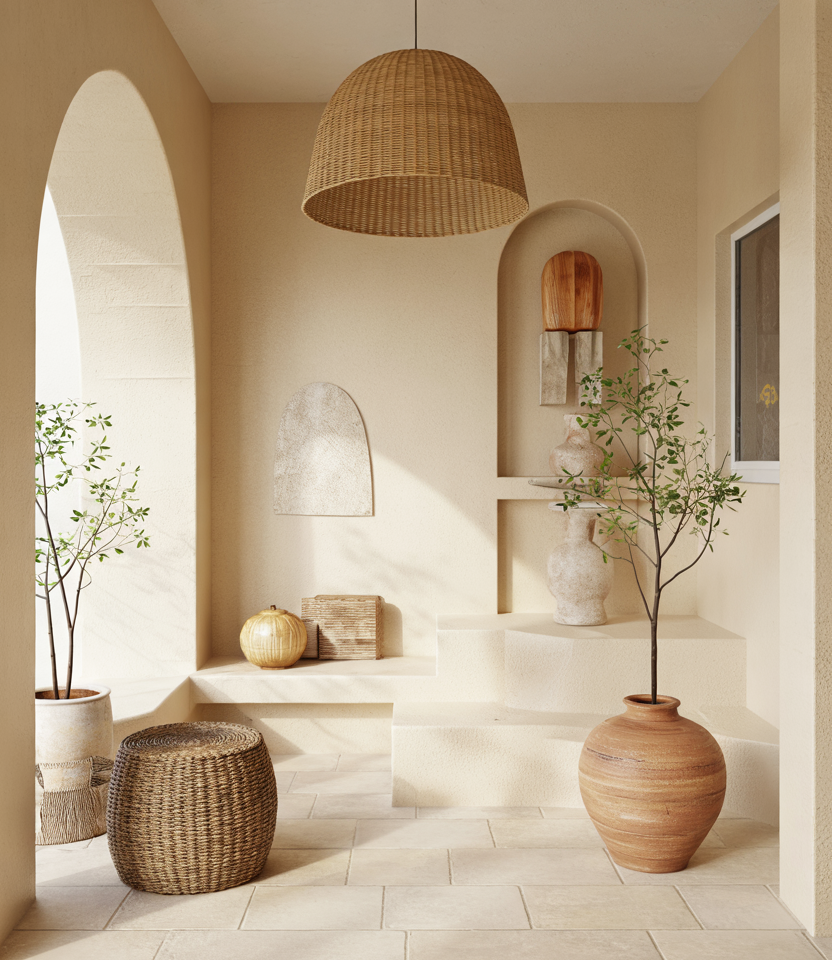
17 Soft Brown and Blue Accents
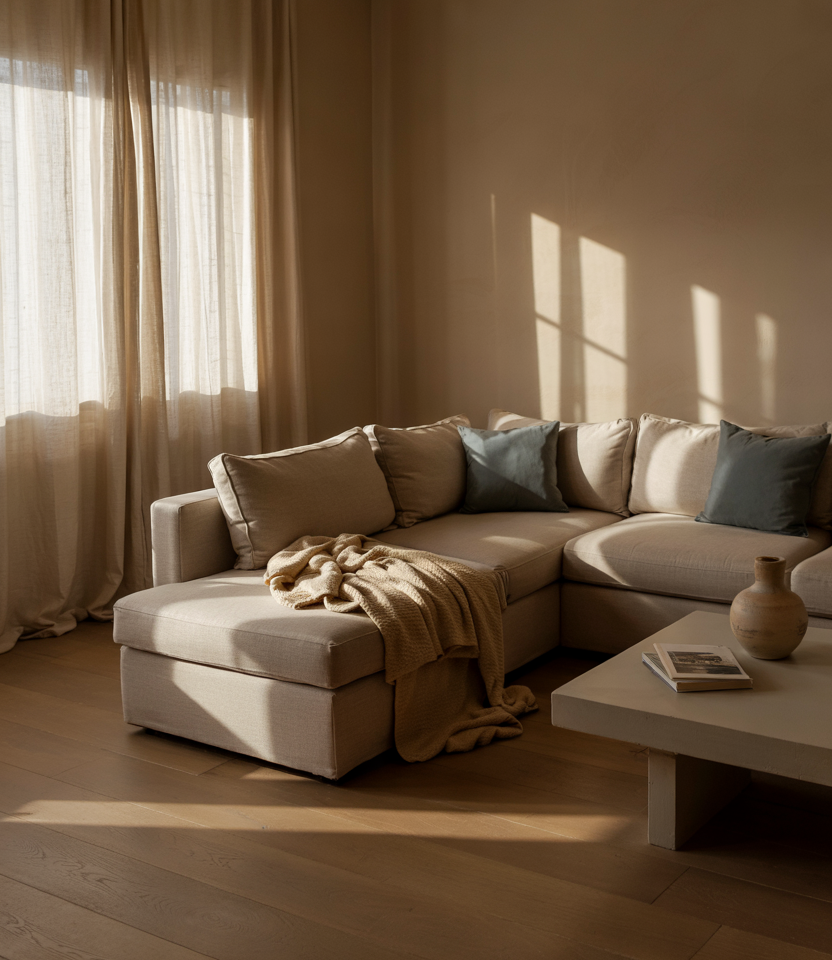 Unexpected color pairings are rising, especially combinations that weave warmth and coolness together. Gentle brown siding with muted blue or blue-grey accents adds personality while keeping things approachable. It’s a friendly palette that feels both classic and inventive, ideal for suburban homes wanting subtle distinction.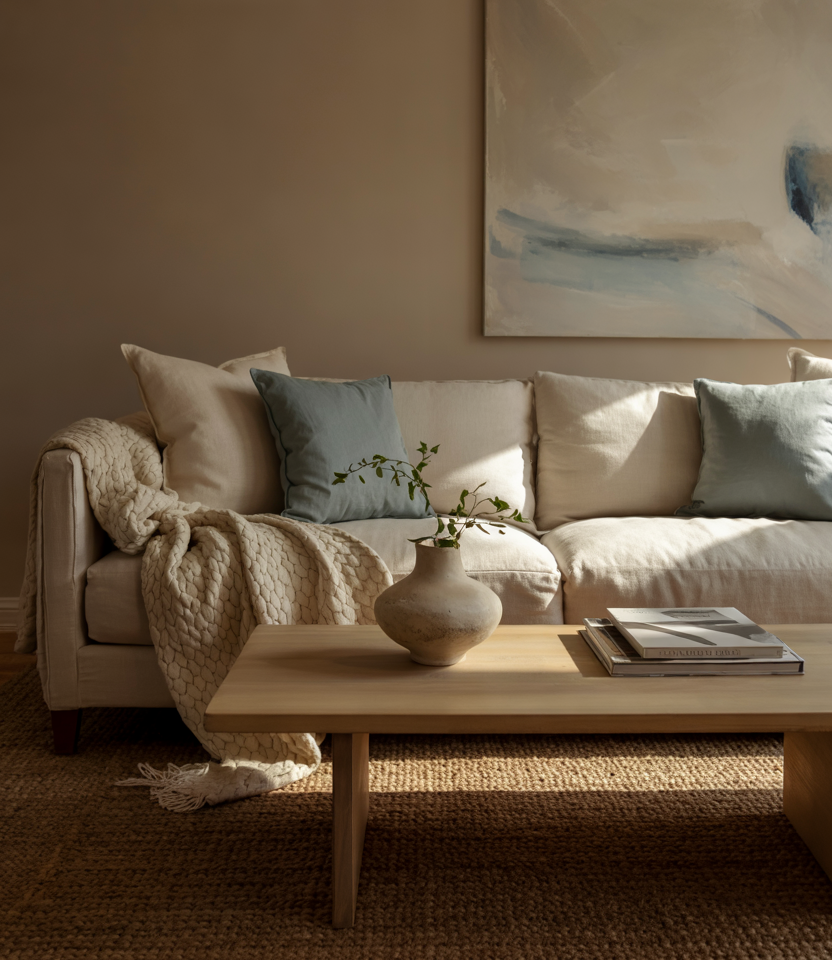
18 Rustic Greys for Mountain Homes
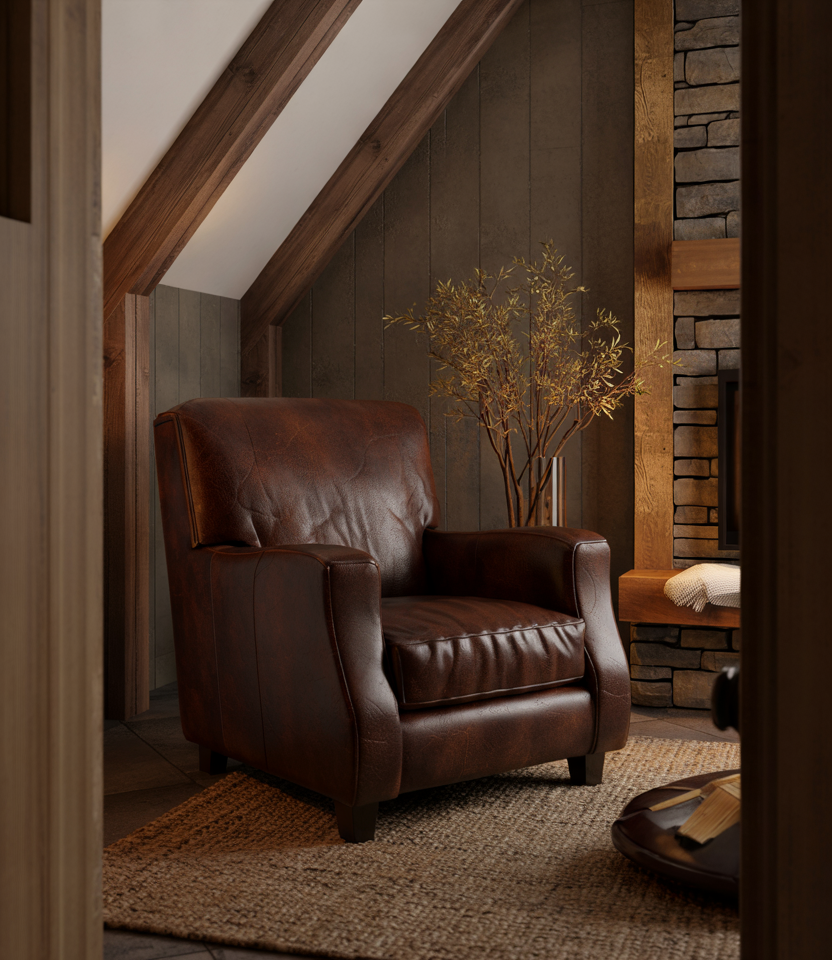 Mountain homes across states like Colorado and Utah are embracing rugged palettes rooted in stone and wood. Muted rustic shades, natural grey, and weathered textures echo the landscape. These tones look especially beautiful with metal roofing and exposed beams, creating exteriors that feel both sturdy and atmospheric.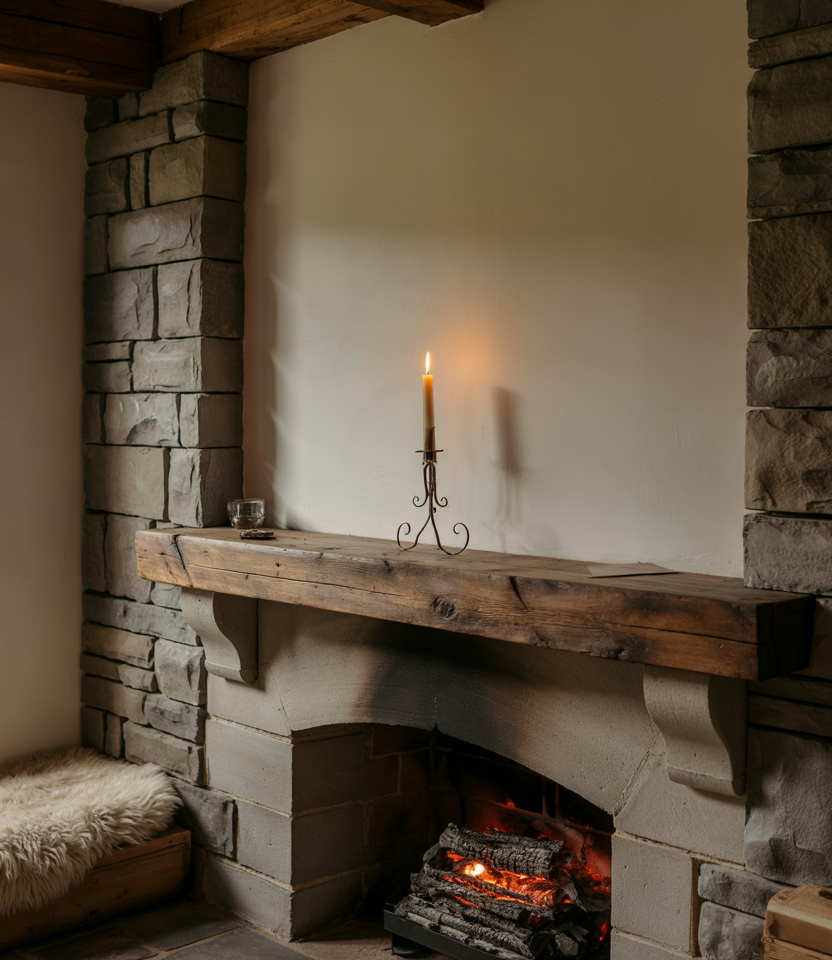
19 Earthy Greige for Townhomes
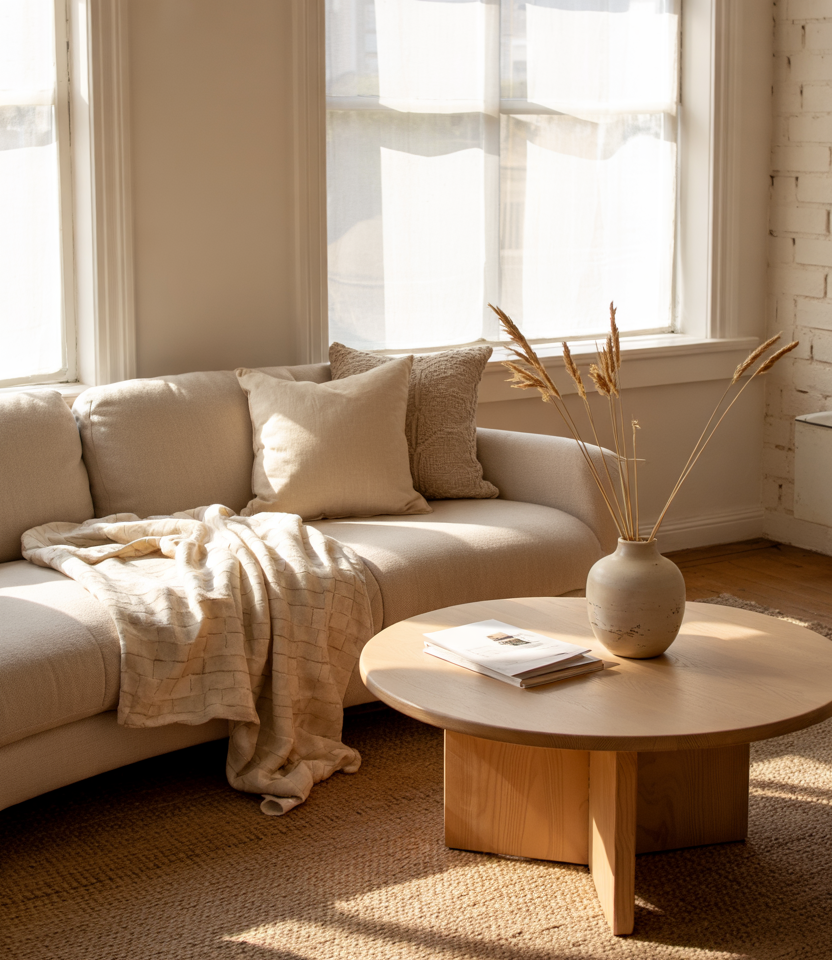 Urban townhomes are shifting away from cool industrial tones toward warmer grounding shades. Soft earth-tone neutrals, elegant greige, and cozy trims create exteriors that feel welcoming even in dense neighborhoods. These hues add richness while maintaining a contemporary profile.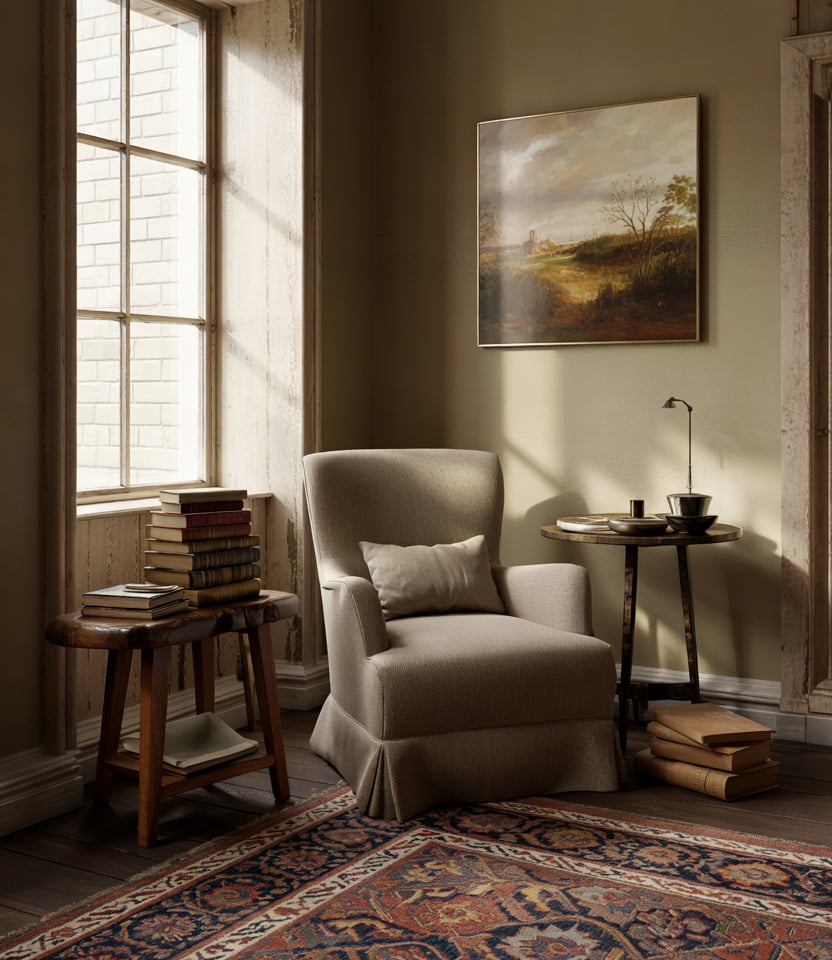
20 Blue-Green Woodland Retreat
 For homes surrounded by woods or rolling landscapes, blue-green blends are becoming a standout choice. Mixing soft blue-grey, deep green, and atmospheric moody tones creates a cool, calming exterior. These palettes echo natural shadows and foliage, making the home feel like part of the landscape rather than perched on top of it.
21 Warm Beige with Soft Green Accents
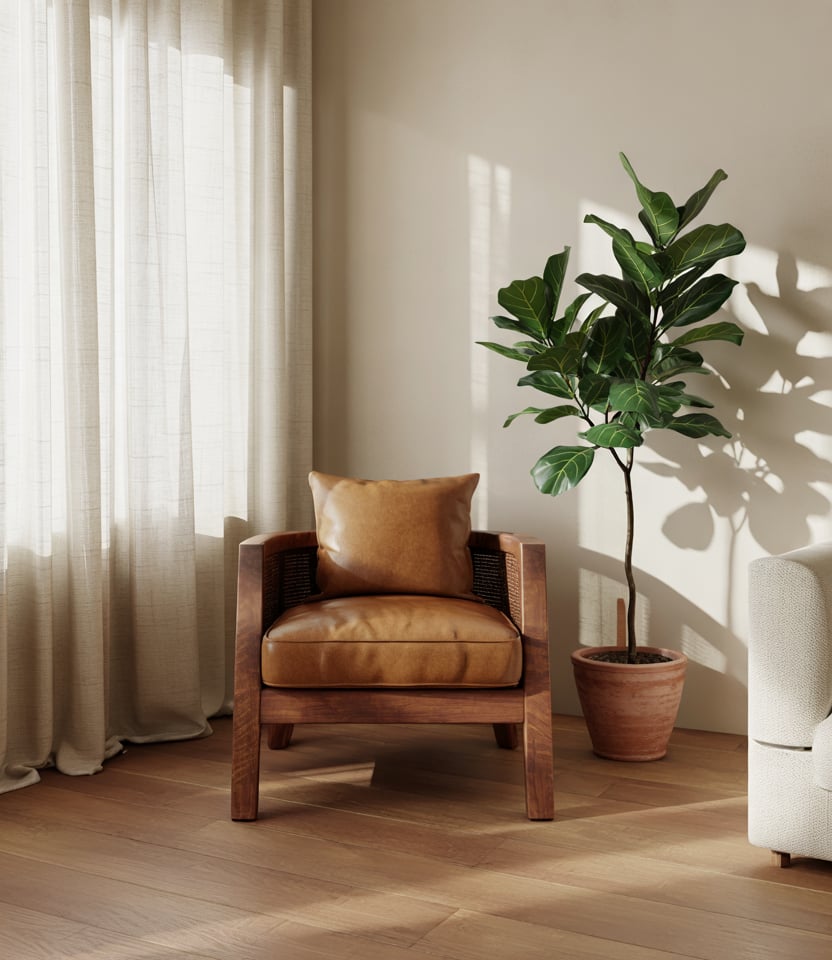 Homes aiming for a gentle, natural warmth are leaning into softened beige tones paired with subtle green detailing. Blending cozy beige siding with touches of green or muted sage green gives exteriors a calm, neighbor-friendly look. It’s a palette that feels connected to gardens, trees, and seasonal landscaping without overpowering the architecture.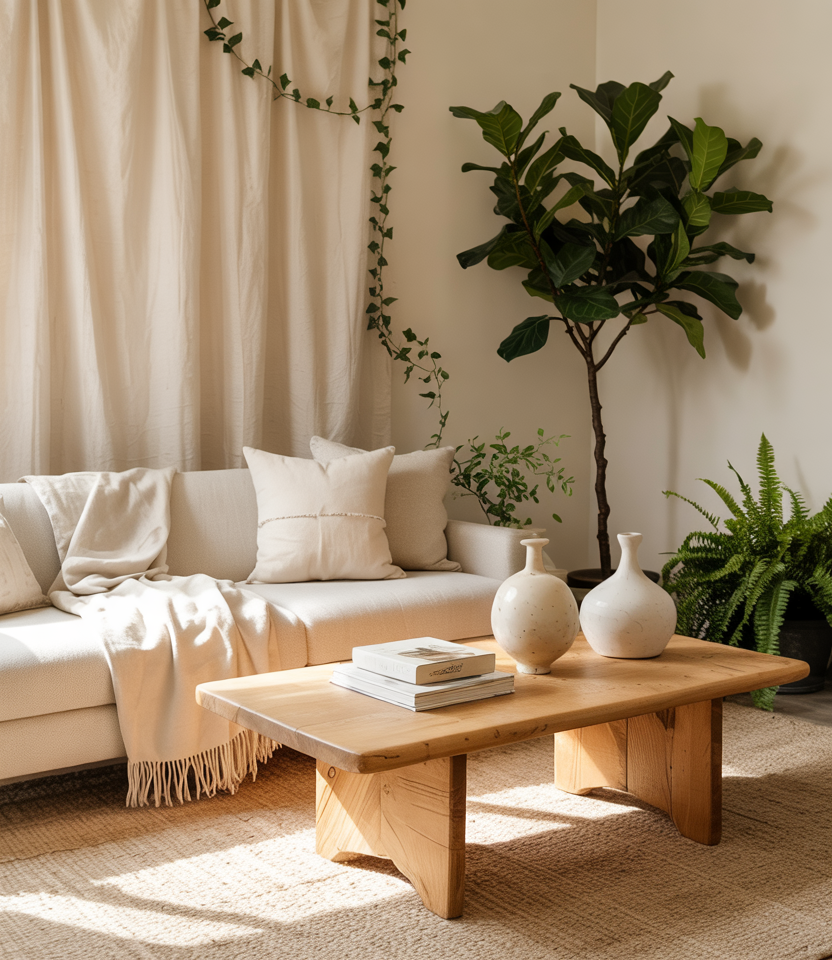
With all these rich, nature-rooted, and thoughtfully layered options emerging for 2026, there’s never been a better time to revisit your home’s exterior palette. If you experiment with any of these looks, please share what you’re considering—readers love trading color stories and inspiration in the comments.